
Artisan-Sourced Silk Sarees Reflect a Shift Toward Conscious Consumer Choices
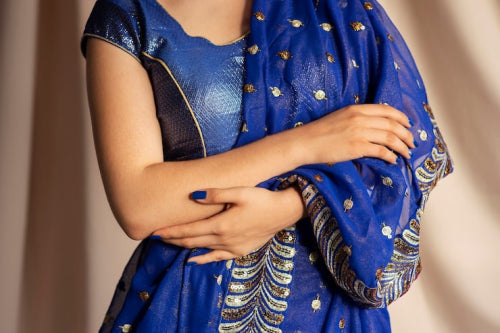
In an era when every garment carries a story of its making, artisan-sourced silk sarees have moved from ceremonial attire to a deliberate statement of values. Consumers worldwide are choosing pieces that honour the weaver, the loom, and the tradition behind them. This quiet revolution in fashion is reshaping how Indian silk sarees are perceived, worn, and valued across generations.
Fast fashion erodes cultural heritage, sidelining artisans and reducing traditions to trends. At IndieHaat, we champion India's craftspeople with handcrafted sarees, apparel, décor, and skincare rooted in authenticity. Each piece embodies skill and ethical care. Support artisans and preserve India's timeless legacy Shop Now!
The Growing Appreciation for Authentic Handcrafted Silk Sarees
Consumers today are no longer satisfied with mass-produced options that lack a personal connection. Instead, they seek garments that embody provenance, craftsmanship, and a narrative they can stand behind. Artisan-sourced silk sarees deliver exactly that thread by thread, each one a testament to skilled hands and centuries-old techniques passed down through families and communities.
Unlike fast fashion that prioritises speed and volume, these sarees are created with intention. The result is a fabric that feels timeless yet perfectly suited to modern lifestyles. From lightweight crepe weaves ideal for professional settings to heavier brocades for festive occasions, artisan silk offers versatility without compromising heritage.
Why Conscious Consumer Choices Matter More Than Ever
Today's buyers are making purchases with eyes wide open. They research material origins, labour practices, and environmental impact. In this context, artisan-sourced silk sarees stand out as ethical choices that support rural economies while delivering lasting beauty. Each purchase becomes an investment in a craft that employs millions and preserves cultural identity.
This shift reflects a deeper desire for transparency. Buyers want to know where their saree was made, who wove it, and how it was finished. Government certifications such as the Handloom Mark and Geographical Indication tags provide that assurance, turning what was once an elite indulgence into a responsible, traceable purchase.
How Artisan-sourced Silk Sarees Are Redefining Traditional Indian Silk Weaving
Traditional weaving communities have long faced challenges of limited access to modern tools and markets. Yet rising demand is changing the equation. Brands and retailers are now partnering directly with weavers, equipping them with better infrastructure and ensuring fair compensation.
At the same time, younger consumers are requesting contemporary designs muted tones, structured silhouettes, and minimalist borders without ever losing the integrity of the weave. This balance allows heritage Indian textiles to evolve while staying true to their roots. The result is sarees that feel modern today yet classic a decade from now.
Practical Benefits of Choosing Handcrafted Silk Sarees Over Fast Fashion
Fast fashion offers convenience at low cost but often at the expense of quality and ethics. Artisan-sourced silk sarees reverse that trade-off. A single well-made saree can be worn for years, passed down, and cared for with simple washes that preserve its drape and colour.
- Emotional investment: Each piece carries a story of its making, giving owners a sense of pride and continuity.
- Durability: Handcrafted silk resists fading and wear better than mass-produced alternatives.
- Sustainability: Slow-fashion production uses natural materials and minimal chemical processing, aligning with global slow-fashion movements.
- Cultural connection: Wearing an artisan-sourced saree connects the wearer to India's rich weaving heritage.
These benefits make handcrafted silk sarees a smart choice for anyone who values quality over quantity.
Consumer Trends Shaping Demand for Ethical Fashion Choices
Buyers across India and beyond are actively seeking ethical fashion choices that reflect their values. Social media has accelerated this awareness, with users sharing stories of artisans and the journeys of their favourite sarees. Younger consumers, particularly those in their late twenties and early thirties, are prioritising pieces that suit their lives while honouring tradition.
Celebrity influence has also played a role. From red-carpet moments to wedding receptions, when influential women wear artisan silk sarees, the message spreads quickly. The result is a market where conscious decisions drive both personal satisfaction and broader cultural vitality.
Challenges and Opportunities for Brands in the Artisan Market
Building trust in the artisan market requires transparency and storytelling. Brands that succeed invest in traceability systems, detailed catalogues, and personal engagement. Technology is helping ERP systems and digital platforms now track each saree from loom to shelf but the human connection remains essential.
Opportunities lie in expanding retail experiences and international partnerships while keeping the focus on provenance. Consumers are willing to pay more for pieces that feel special and meaningful. The challenge for brands is to meet that demand without diluting the craft that makes the difference.
The Role of Artisan-sourced Silk Sarees in Modern Wardrobes
As awareness grows, artisan-sourced silk sarees are moving from occasional wear to everyday essentials. Their lightweight construction, beautiful drape, and timeless designs make them practical for work, celebrations, and everything in between. The future belongs to brands that combine heritage with innovation, creating pieces that outlast trends and serve multiple occasions.
Ultimately, the shift toward conscious consumer choices is not about sacrificing style for virtue. It is about recognising that every thread tells a story and choosing one that matters. In an increasingly digital world, the most valuable possessions are those rooted in authenticity, craftsmanship, and care.
Whether you are building a collection or simply refreshing your wardrobe, artisan-sourced silk sarees offer a meaningful way to engage with Indian textile traditions. The next time you reach for a saree, remember the weaver behind it and the thoughtful choice you just made.
India's premium ethnic wear sector is experiencing robust expansion as consumers increasingly demand provenance, craftsmanship, and timeless designs that reflect genuine cultural narratives. Brands like Mysore Saree Udyog are capitalizing on this by combining legacy expertise with modern retail innovations, positioning artisan-sourced silk as the cornerstone of sustainable luxury. With rising disposable incomes and heightened visibility through social media, buyers no longer choose between tradition and aspiration; they seek pieces that carry stories of Indian weaving heritage, enabling them to stand behind their purchases with pride.
Frequently Asked Questions
Are artisan-sourced silk sarees sustainable fashion choices?
Yes, artisan-sourced silk sarees align with sustainable fashion choices by encouraging slow production, supporting weaving communities, and reducing reliance on disposable clothing trends. Choosing authentic handloom silk sarees helps preserve cultural traditions while promoting responsible consumption.
How do handcrafted silk sarees differ from mass-produced sarees?
Handcrafted silk sarees are created through traditional weaving techniques that highlight the skill and story of artisans, while mass-produced sarees often prioritize speed and volume. The unique craftsmanship, lasting quality, and personal connection make artisan silk sarees valuable investment pieces for modern wardrobes.
Why are artisan-sourced silk sarees considered a conscious consumer choice?
Artisan-sourced silk sarees are considered a conscious consumer choice because they support skilled weavers, preserve traditional craftsmanship, and offer greater transparency about production. These handcrafted silk sarees provide a meaningful alternative to fast fashion by focusing on quality, durability, and cultural heritage.
Disclaimer: The above helpful resources content contains personal opinions and experiences. The information provided is for general knowledge and does not constitute professional advice.
You may also be interested in: Handmade Jewelry: The Fusion of Tradition and Contemporary
Fast fashion erodes cultural heritage, sidelining artisans and reducing traditions to trends. At IndieHaat, we champion India's craftspeople with handcrafted sarees, apparel, décor, and skincare rooted in authenticity. Each piece embodies skill and ethical care. Support artisans and preserve India's timeless legacy Shop Now!
Powered by flareAI.co