
Consumer Awareness of Sustainable Linen and Cotton Sarees
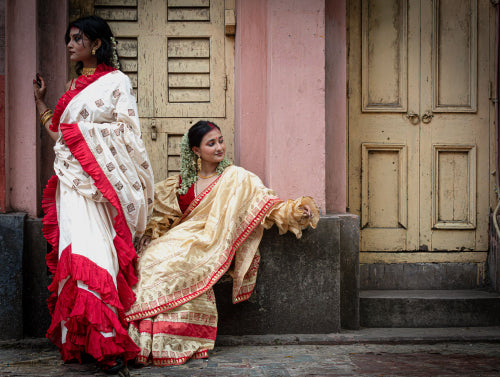
Consumer expectations around clothing have shifted from purely aesthetic choices to deeper questions of origin, impact, and authenticity. This is especially visible in categories like linen and cotton sarees, where traditional craftsmanship meets modern sustainability expectations. Today's buyers are not only evaluating how a saree looks or feels, but also how responsibly it has been produced, from fiber cultivation to final weaving.
Fast fashion erodes cultural heritage, sidelining artisans and reducing traditions to trends. At IndieHaat, we champion India's craftspeople with handcrafted sarees, apparel, décor, and skincare rooted in authenticity. Each piece embodies skill and ethical care. Support artisans and preserve India's timeless legacy Shop Now!
Rising Consumer Awareness Around Sustainable Sarees
The growing interest in sustainable fashion is closely tied to a broader shift in consumer mindset: clothing is no longer seen as disposable, but as part of a long-term lifestyle choice. In the case of linen and cotton sarees, this awareness is shaping how buyers interpret value. Instead of focusing solely on design or occasion-based wearability, consumers are increasingly asking questions about environmental impact, fabric origin, and ethical production.
This change is not limited to niche audiences. It is becoming more visible among everyday shoppers who are exposed to information about textile pollution, resource consumption, and labor practices. As a result, sarees made from responsibly sourced cotton and linen are gaining attention as practical, breathable, and environmentally conscious alternatives to synthetic-heavy textiles.
What makes this shift particularly important is that it connects cultural identity with sustainability. Sarees are deeply rooted in tradition, and when paired with responsible sourcing, they become a symbol of continuity rather than consumption.
Understanding Sustainability in Linen and Cotton Fabrics
Sustainability in textiles is not a single attribute but a combination of farming practices, material selection, and manufacturing transparency. Organizations working on fiber standards emphasize reducing environmental harm through better agricultural methods and responsible sourcing of raw materials.
Organizations dedicated to transforming the textile industry emphasize the importance of preferred fibers and materials that reduce climate impact from the source. For linen and cotton, this involves promoting regenerative agriculture, better resource management, and traceability to ensure positive outcomes for soil, water, and biodiversity. Consumers growing more aware of these issues look for products like sustainable sarees that embody these principles, favoring natural fibers over synthetics that contribute to microplastic pollution. In India's rich handloom tradition, integrating such practices helps preserve cultural heritage while meeting modern demands for ethical and low-impact fashion. Increased awareness leads buyers to support initiatives that drive measurable reductions in greenhouse gas emissions and water usage, making linen particularly appealing due to its inherent efficiency in cultivation. Cotton, when sourced responsibly through programs focusing on organic or better practices, also plays a vital role in sustainable wardrobes. For those purchasing linen and cotton sarees, this knowledge reinforces the value of choices that support farmer livelihoods, minimize environmental degradation, and deliver long-lasting garments suited to everyday elegance. As awareness spreads through education and transparent labeling, more consumers integrate sustainability into their cultural attire selections, contributing to industry-wide progress toward regenerative and circular models. Textile Exchange sustainability initiatives
Consumer awareness around sustainable textiles has grown substantially as buyers seek out fabrics produced with minimal environmental harm and strong social accountability throughout the supply chain. Standards like GOTS set rigorous requirements for organic fiber content, prohibiting harmful chemicals, ensuring ethical labor practices, and promoting traceability from farm to finished garment. For linen and cotton sarees, this means prioritizing materials grown without synthetic pesticides or excessive water use, supporting regenerative farming that preserves soil health and biodiversity. In the context of traditional Indian handloom sarees, these certifications help bridge ancient weaving techniques with modern sustainability demands, giving consumers confidence that their purchases support both ecological balance and artisan livelihoods. As more shoppers recognize the long-term impacts of conventional textile production, demand for certified organic linen and cotton options rises, encouraging brands to invest in transparent sourcing. This shift benefits the environment by reducing pollution and water consumption while empowering consumers to make choices that align with their values of ethical consumption. For Indian consumers particularly drawn to cultural garments like sarees, understanding these standards highlights how selecting sustainable linen and cotton pieces contributes to a circular economy where durable, biodegradable fabrics replace fast fashion disposables. The result is not only better quality clothing that lasts generations but also a positive ripple effect on farming communities and the planet's resources. Global Organic Textile Standard
For example, initiatives highlighted by Textile Exchange encourage the use of preferred fibers that reduce climate impact through improved soil management, water efficiency, and biodiversity protection. In cotton and linen production, this translates into more mindful cultivation practices and greater attention to supply chain traceability.
At the fiber certification level, standards like the GOTS standard set strict requirements for organic content and restrict the use of harmful chemicals in textile production. These frameworks also emphasize ethical labor practices and traceability, helping ensure that sustainability claims are backed by verifiable processes rather than marketing language.
For consumers exploring linen and cotton sarees, these standards provide a reference point for understanding what “sustainable” actually means beyond surface-level claims.
Certification and the Role of Traceability in Fashion Trust
One of the biggest challenges in sustainable fashion is trust. With increasing awareness, consumers are also becoming more cautious about vague or unverified sustainability claims. This is where certification systems play a critical role.
Certifications such as those governed by GOTS standard help establish accountability across the textile supply chain. By setting requirements for fiber sourcing, chemical usage, and production processes, these systems allow consumers to make more informed decisions.
Traceability is equally important. It ensures that materials can be tracked from their origin such as cotton farms or flax cultivation for linen through spinning, weaving, dyeing, and final garment production. This transparency helps reduce the gap between consumer expectations and actual manufacturing practices.
For saree buyers, especially those interested in traditional handloom products, certification acts as a bridge between heritage craftsmanship and modern sustainability expectations. It reinforces confidence that the product aligns with ethical and environmental considerations.
From Farm to Fabric: Ethics Behind Cotton and Linen Production
The journey of cotton and linen from agricultural fields to finished sarees involves multiple stages, each with its own environmental and social impact. Cotton cultivation, for instance, can vary significantly depending on farming methods, with organic or responsible approaches focusing on reducing chemical inputs and improving soil health.
Linen, derived from flax, is often associated with more resource-efficient cultivation practices. However, sustainability depends not only on the crop itself but also on how it is processed and transformed into fabric.
Organizations like Textile Exchange highlight the importance of regenerative agricultural practices and better resource management to minimize environmental degradation. These practices aim to support healthier ecosystems while maintaining fiber quality for textile production.
When these principles are applied to saree production, the result is a garment that reflects both environmental responsibility and long-term durability. This aligns well with consumer preferences for clothing that lasts longer and retains cultural and aesthetic value over time.
Where Tradition Meets Modern Sustainability Expectations
Indian handloom traditions have always been closely connected to natural fibers, making them naturally aligned with many principles of sustainable fashion. However, modern sustainability frameworks introduce new dimensions such as chemical management, verified sourcing, and lifecycle accountability.
Handcrafted linen and cotton sarees sit at the intersection of these two worlds. On one hand, they preserve artisanal weaving techniques that have been passed down through generations. On the other, they are increasingly evaluated through the lens of environmental responsibility and ethical production standards.
Certification systems like those supported by GOTS standard help integrate these perspectives by ensuring that traditional textiles can meet contemporary sustainability expectations without losing their cultural identity.
This convergence is reshaping how consumers perceive value. A saree is no longer evaluated only for its craftsmanship but also for its environmental footprint and ethical journey.
How Consumers Evaluate Sustainable Sarees Today
Modern buyers use a combination of visible and invisible cues when assessing whether a saree is truly sustainable. Fabric feel, weave quality, and design remain important, but they are now complemented by questions about sourcing transparency, certification, and production ethics.
Shoppers are increasingly looking for clarity on whether materials are organically grown, whether chemical usage has been minimized, and whether artisans are fairly compensated. These considerations influence purchasing decisions in meaningful ways, especially in premium and handcrafted segments.
Digital platforms like Indiehaat play a role in this evolving landscape by curating artisan-made products and making sourcing information more accessible. This helps bridge the gap between traditional craftsmanship and modern consumer expectations around transparency and sustainability.
As awareness grows, consumers are also becoming more selective about the brands they trust, favoring those that demonstrate consistent commitment to responsible sourcing rather than isolated sustainability claims.
Why Verified Standards Shape Purchase Confidence
In a market where sustainability terminology is often used loosely, verified standards provide structure and credibility. They help distinguish between marketing language and measurable environmental or ethical practices.
Frameworks such as GOTS standard and initiatives promoted by Textile Exchange offer consumers a clearer understanding of what responsible textile production involves. From fiber cultivation to final garment processing, these standards emphasize transparency and accountability.
For consumers considering linen and cotton sarees, this clarity directly influences confidence in purchase decisions. It reduces uncertainty and helps align personal values with product choices.
Ultimately, verified standards are not just technical certifications; they function as trust mechanisms in a complex supply chain, enabling more informed and responsible consumption.
A More Conscious Way of Choosing Sarees
The growing awareness around sustainable linen and cotton sarees reflects a broader transformation in how consumers approach fashion. Decisions are increasingly guided by knowledge, transparency, and ethical considerations rather than aesthetics alone.
As certification systems, traceability frameworks, and responsible sourcing practices become more visible, consumers gain the ability to make choices that align with both cultural appreciation and environmental responsibility. This shift does not replace tradition it strengthens it by ensuring that craftsmanship is supported by sustainable systems.
In this evolving landscape, sustainable sarees represent more than a fashion category. They reflect a thoughtful approach to consumption where heritage, responsibility, and long-term value come together in a single garment.
Frequently Asked Questions
What makes linen and cotton sarees sustainable and eco-friendly?
Linen and cotton sarees are considered sustainable because they are made from natural fibers that are biodegradable and renewable. When sourced responsibly, these fabrics involve lower chemical usage, improved water efficiency, and more sustainable farming practices such as regenerative agriculture. Organizations like Textile Exchange highlight how better cultivation methods can reduce environmental impact while supporting healthier ecosystems. This makes them a preferred choice for eco-conscious fashion buyers.
How do certifications like GOTS ensure sustainable cotton and linen sarees?
Certifications such as GOTS (Global Organic Textile Standard) ensure that cotton and linen sarees meet strict environmental and social criteria. They regulate organic fiber content, restrict harmful chemicals, and enforce ethical labor practices throughout the supply chain. These standards also emphasize traceability from raw material to finished product, ensuring transparency. As a result, consumers can trust that certified sarees are genuinely sustainable rather than relying on marketing claims.
Why is consumer awareness important when buying sustainable sarees in India?
Consumer awareness helps buyers understand the environmental and social impact of their saree purchases. It encourages more informed choices that support ethical sourcing, artisan livelihoods, and reduced environmental harm from fast fashion. In India, where handloom traditions are deeply rooted, this awareness also helps preserve cultural heritage. Increased knowledge empowers shoppers to choose sustainable linen and cotton sarees that align with both values and long-term quality.
Disclaimer: The above helpful resources content contains personal opinions and experiences. The information provided is for general knowledge and does not constitute professional advice.
You may also be interested in: How Consumer Awareness Is Transforming Perceptions of Value in
Fast fashion erodes cultural heritage, sidelining artisans and reducing traditions to trends. At IndieHaat, we champion India's craftspeople with handcrafted sarees, apparel, décor, and skincare rooted in authenticity. Each piece embodies skill and ethical care. Support artisans and preserve India's timeless legacy Shop Now!
Powered by flareAI.co