
Direct Artisan Collaborations Supporting Cultural Sustainability
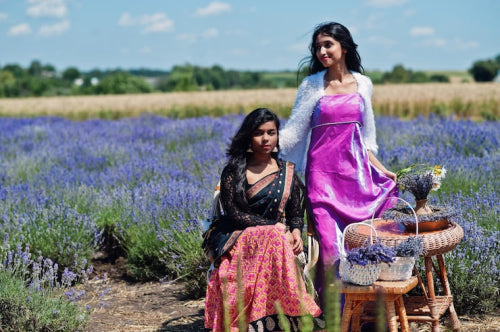
The conversation around handmade goods is shifting from aesthetics alone to something far more structural: how value is created, shared, and sustained within artisan communities. For brands and marketplaces working with traditional crafts, the real opportunity lies not just in selling finished products but in reshaping the relationships behind them. This is where direct artisan collaborations are emerging as a defining force one that connects cultural continuity with modern design thinking and ethical commerce.
Fast fashion erodes cultural heritage, sidelining artisans and reducing traditions to trends. At IndieHaat, we champion India's craftspeople with handcrafted sarees, apparel, décor, and skincare rooted in authenticity. Each piece embodies skill and ethical care. Support artisans and preserve India's timeless legacy Shop Now!
Reframing Artisan Collaboration as a Long-Term Strategy
For decades, artisan ecosystems have been shaped by layered intermediaries that often separate creators from end markets. While this model enabled scale, it frequently diluted both economic returns for craftspeople and the cultural context of their work. A shift toward direct engagement is now redefining how craft-based businesses operate.
Initiatives such as the Smithsonian Artisan Initiative for craft sustainability highlight how direct collaborations can reposition artisans as active participants in design, development, and storytelling. Instead of being limited to execution, craftspeople contribute to product ideation, material choices, and cultural interpretation.
The Smithsonian Artisan Initiative for craft sustainability demonstrates a broader institutional effort to strengthen artisan ecosystems through research, product development support, enterprise training, and improved market access. It emphasizes enabling craftspeople to revive and adapt traditional skills for contemporary audiences while maintaining cultural authenticity. By positioning artisans as leaders rather than passive suppliers, the initiative helps ensure that traditional knowledge systems remain economically viable and culturally relevant. It also supports documentation of techniques and narratives, allowing deeper consumer understanding of the heritage behind each product. In practice, this model encourages blending heritage craftsmanship with modern design approaches, helping artisans expand their creative agency while building sustainable livelihoods rooted in cultural continuity.
This shift is not simply operational it is strategic. Businesses that invest in closer artisan relationships often find that product authenticity improves naturally, while design outcomes become more differentiated in a saturated marketplace. More importantly, the artisan is no longer an anonymous producer but a visible cultural contributor.
Direct Artisan Collaborations and Cultural Sustainability Through Crafts
At the heart of cultural sustainability through crafts lies continuity ensuring that traditional knowledge systems remain active, adaptable, and economically viable. Direct collaboration models make this possible by integrating artisans into decision-making processes rather than treating them as downstream suppliers.
This approach strengthens cultural ecosystems by enabling craft traditions to evolve without losing their identity. Instead of freezing techniques in time, artisans are encouraged to reinterpret heritage motifs, experiment with natural materials, and adapt designs for contemporary lifestyles. The result is a living craft tradition that remains relevant across generations.
From a consumer perspective, this also changes the meaning of ownership. Purchasing handmade goods becomes an act of cultural participation rather than simple consumption. Each product carries embedded knowledge, regional identity, and the visible influence of its maker's expertise.
How Ethical Artisan Partnerships Reshape Value Chains
The rise of ethical artisan partnerships is closely tied to growing awareness of transparency in production systems. Consumers and brands alike are questioning how value is distributed across supply chains, particularly in industries where craftsmanship is central.
When artisans are directly integrated into collaboration models, value distribution becomes more balanced. Craftspeople gain stronger control over pricing discussions, production timelines, and design direction. This reduces dependency on intermediary structures that often capture disproportionate value while limiting artisan agency.
Beyond economics, ethical collaboration also improves knowledge retention within communities. Techniques that might otherwise fade under industrial pressure are maintained through active use and adaptation. This reinforces both livelihood stability and cultural resilience, ensuring that craft traditions remain economically meaningful rather than symbolic.
Artisan Empowerment Initiatives and Knowledge Transmission
Long-term sustainability in craft ecosystems depends heavily on how knowledge is passed between generations. Many traditional crafts rely on apprenticeship systems where skills are learned through observation, repetition, and mentorship rather than formal instruction.
According to UNESCO's guidance on traditional craftsmanship, safeguarding these practices requires strengthening community-based transmission systems while ensuring that artisans can continue practicing their crafts under changing economic conditions. The emphasis is not only on preserving artifacts but on sustaining living knowledge systems.
UNESCO's approach to safeguarding traditional craftsmanship highlights the importance of direct community engagement and long-term support systems that prioritize the transmission of skills over the preservation of objects alone. It stresses that traditional crafts face increasing pressure from mass production, environmental changes, and shifting consumer preferences, which often discourage younger generations from pursuing apprenticeship-based learning. To address these challenges, strategies such as strengthening local markets, reinforcing apprenticeship incentives, and creating fair economic opportunities are essential. Legal protections for traditional knowledge also play a key role in ensuring communities benefit from their cultural heritage. In practice, these measures align with direct artisan collaboration models by providing stable income streams, encouraging intergenerational learning, and supporting adaptive innovation within traditional frameworks. This ensures that craftsmanship remains a living practice that continues to evolve while preserving cultural identity and supporting economic inclusion.
In practical terms, artisan empowerment initiatives work best when they reinforce these natural learning environments. This includes enabling stable income streams, encouraging intergenerational collaboration, and supporting spaces where younger artisans can learn without abandoning traditional methods.
When such systems are strengthened, craft traditions become more adaptable. Younger artisans are more likely to innovate within inherited frameworks rather than abandon them entirely, ensuring continuity without stagnation.
Design Innovation Meets Heritage Craftsmanship
One of the most powerful outcomes of direct collaboration is the intersection of design innovation and heritage craftsmanship. Designers gain access to centuries-old techniques, while artisans are exposed to contemporary aesthetics and functional demands.
This exchange creates a productive tension. Traditional weaving patterns, embroidery techniques, or material treatments are not replaced but reinterpreted. The result is a hybrid design language that respects origin while meeting modern expectations for usability, durability, and visual appeal.
Within this context, handmade goods sustainability is no longer positioned as a niche concern. Instead, it becomes a design principle one that prioritizes material integrity, cultural storytelling, and production transparency. Products are evaluated not only on appearance but on the depth of their making process.
Business Implications for Modern Craft Platforms
For curated marketplaces like IndieHaat, direct artisan engagement is not just a sourcing strategy it is a structural advantage. It allows platforms to differentiate through authenticity while building long-term trust with both artisans and consumers.
By reducing intermediary layers, platforms can support more equitable pricing models and ensure that artisans retain a larger share of product value. This also enables greater responsiveness in design cycles, as feedback loops between creators and customers become shorter and more meaningful.
From a brand perspective, this model strengthens storytelling. Each product can be contextualized not just as an item for sale, but as part of an ongoing cultural narrative. This elevates the perception of handcrafted goods from decorative objects to meaningful cultural artifacts.
The Future of Handmade Goods Sustainability
The future of handmade goods lies in systems that treat craftsmanship as a dynamic, evolving practice rather than a static heritage category. As consumer expectations shift toward transparency and responsibility, the role of artisan collaboration will only deepen.
Digital platforms, ethical sourcing frameworks, and design partnerships will continue to converge, creating ecosystems where artisans are central to both cultural preservation and economic innovation. In this environment, sustainability is not an external certification but an embedded practice within the production process itself.
Ultimately, the strength of direct artisan collaborations will depend on how well they balance three priorities: economic fairness, cultural continuity, and creative evolution. When aligned effectively, these collaborations offer a model for commerce that supports both people and heritage in equal measure.
As the handmade sector continues to evolve, the most successful approaches will be those that treat artisans not as participants in a supply chain, but as co-authors of cultural and commercial value. This shift is already underway and it is redefining what sustainable craftsmanship means in practice.
Frequently Asked Questions
How do ethical artisan partnerships support cultural sustainability through crafts?
Ethical artisan partnerships ensure that value is shared more equitably across the supply chain, giving artisans greater control over pricing, production, and design decisions. This model strengthens cultural sustainability through crafts by keeping traditional techniques active and adaptable instead of fading under industrial pressure. It also encourages living craft traditions where heritage is continuously reinterpreted for modern use. Ultimately, it helps maintain both cultural identity and long-term livelihood stability.
How do artisan empowerment initiatives help preserve traditional craftsmanship and knowledge?
Artisan empowerment initiatives focus on strengthening intergenerational knowledge transfer and apprenticeship-based learning systems. These efforts align with UNESCO guidance on safeguarding traditional craftsmanship by supporting living knowledge rather than only preserving finished artifacts. They provide stable income opportunities that encourage younger generations to continue practicing traditional crafts. This ensures that craftsmanship evolves while maintaining cultural continuity and community identity.
What are direct artisan collaborations and why are they important for handmade goods sustainability?
Direct artisan collaborations are working models where craftspeople are actively involved in design, development, and storytelling rather than just production. This approach reduces intermediaries, ensuring fairer income distribution and stronger creative control for artisans. It also enhances handmade goods sustainability by preserving cultural context and improving product authenticity. As a result, craftsmanship becomes both economically viable and culturally meaningful.
Disclaimer: The above helpful resources content contains personal opinions and experiences. The information provided is for general knowledge and does not constitute professional advice.
You may also be interested in: Why Supporting Direct Artisan Platforms Is Key to Reviving Local
Fast fashion erodes cultural heritage, sidelining artisans and reducing traditions to trends. At IndieHaat, we champion India's craftspeople with handcrafted sarees, apparel, décor, and skincare rooted in authenticity. Each piece embodies skill and ethical care. Support artisans and preserve India's timeless legacy Shop Now!
Powered by flareAI.co