
Direct-to-Consumer Platforms Support Artisan Livelihoods Across India
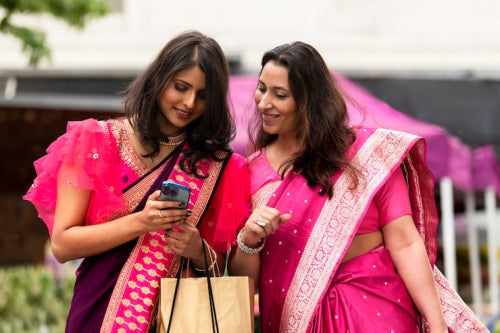
Direct-to-consumer platforms are reshaping how traditional craft communities connect with buyers, allowing artisans to retain greater control over pricing, storytelling, and long-term income. By shortening supply chains and reducing reliance on intermediaries, these models create clearer pathways for rural makers to reach customers who value authenticity and ethical production. For readers evaluating how modern e-commerce can strengthen rural livelihoods, the shift toward direct market access offers practical lessons in sustainability, skill preservation, and community resilience.
Fast fashion erodes cultural heritage, sidelining artisans and reducing traditions to trends. At IndieHaat, we champion India's craftspeople with handcrafted sarees, apparel, décor, and skincare rooted in authenticity. Each piece embodies skill and ethical care. Support artisans and preserve India's timeless legacy Shop Now!
How Direct Sourcing Changes Income Realities for Artisans
When artisans sell through layers of traders, margins shrink and creative decisions often move out of their hands. Direct-to-consumer platforms reverse that pattern by placing the maker at the centre of the transaction. Pricing becomes transparent, product descriptions can highlight the hours of skilled labour involved, and feedback from buyers reaches the workshop without distortion. This structure encourages consistent production rather than seasonal or opportunistic sales, helping households plan investments in tools, materials, and family education.
The practical effect is greater agency. Artisans decide which designs to prioritise, which techniques to refine, and how to present the cultural context of each piece. Buyers, in turn, receive clearer provenance and a stronger sense of connection to the maker. Over time, this relationship supports repeat purchases and word-of-mouth growth that traditional wholesale channels rarely deliver.
Digital Tools That Lower Barriers for Rural Craft Communities
Access to online storefronts alone is not enough. Effective platforms combine guided onboarding, simple inventory tools, and secure payment systems so that artisans with limited digital experience can participate fully. Multilingual interfaces and free shipping options further reduce friction, allowing makers in remote clusters to list products without absorbing prohibitive logistics costs.
The India Handmade official platform, a government-backed digital marketplace developed by the Digital India Corporation under the Ministry of Textiles, is reshaping how artisans connect with buyers by removing layers of middlemen and ensuring full value stays with the creators. Launched as a zero-commission alternative to private e-commerce, the platform showcases handloom and handicraft products from across India, providing artisans with digital tools for visibility, guided onboarding, and secure sales. It targets over 60 lakh artisans, including a significant share of women who make up 71 percent of handloom weavers and 64 percent of the overall artisan workforce, thereby boosting rural employment and community resilience.
By offering free shipping, purchase protection, and multilingual support, India Handmade empowers artisans to control pricing, present authentic stories behind each piece, and access national and global markets directly. This model not only preserves traditional crafts like GI-tagged items and ODOP products but also fosters economic independence, reducing dependence on exploitative traders and enabling artisans to invest in skill development and family support. For readers focused on sustainable livelihoods, this government initiative highlights how public digital infrastructure can transform informal craft economies into viable, scalable businesses that benefit both producers and conscious consumers seeking ethical, heritage-driven products.
Similar private platforms extend these benefits through training, merchandising support, and quality guidance. Together they demonstrate that technology can serve as an equaliser rather than a barrier, provided the design prioritises usability for makers whose primary expertise lies in craft rather than digital marketing.
Preserving Skills While Expanding Market Reach
Traditional techniques risk fading when younger generations see limited economic returns. Direct-to-consumer models help reverse that trend by making skilled work visibly profitable. When a weaver or woodcarver can earn a sustainable income from authentic production, apprenticeships become more attractive and specialised knowledge is more likely to be passed on.
Platforms that encourage storytelling amplify this effect. Product pages that describe the origin of a motif, the time required to complete a piece, or the community significance of a technique educate buyers and reinforce the maker's identity. This documentation also serves as an informal archive, preserving cultural details that might otherwise remain oral and vulnerable.
Several dedicated marketplaces empowering artisans are transforming India's craft ecosystem by connecting thousands of artisans directly with consumers, enabling fairer earnings, wider market reach, and cultural preservation. Platforms like iTokri, founded in 2012, link over 500 artisan families and producer groups to global buyers through e-commerce, showcasing diverse handlooms and folk arts from across regions. AuthIndia, operational since 2015, lists more than 15,000 craft items and attracts over 30,000 daily visitors by providing artisans with direct buyer connections and digital tools.
Craftsvilla, started in 2011, supports 25,000 artisans and retailers with online sales, quality control, and cultural documentation, allowing products to reach national and international audiences. Similarly, other initiatives such as GoCoop and platforms tied to cooperatives offer training, merchandising, logistics support, and ERP management for over 80,000 artisans in 350 clusters. These models empower artisans to control their pricing and storytelling, increase margins by cutting out middlemen, and sustain livelihoods amid competition from mass-produced goods. peFor readers exploring sustainable business opportunities, these marketplaces illustrate how e-commerce can revive traditional skills, create jobs in rural areas, and build strong customer relationships based on authenticity and transparency.
Women Artisans and the Path to Economic Independence
Women form a substantial part of India's handloom and handicraft workforce. Platforms that remove intermediaries and provide secure, transparent sales channels therefore carry particular significance for female makers who often balance craft work with household responsibilities. Direct income allows greater decision-making power within families and communities, supporting investments in health, education, and skill development.
When platforms prioritise easy onboarding and reliable logistics, women in rural areas can participate without relocating or relying on male intermediaries. The resulting income stability contributes to broader household resilience and encourages younger women to view craft as a viable livelihood rather than a supplementary activity.
Practical Considerations for Buyers and Platform Operators
For conscious consumers, the value of direct-to-consumer platforms lies in transparency and impact. Choosing products from verified artisan sellers ensures that a higher share of the purchase price reaches the maker. Looking for clear provenance details, fair pricing signals, and community stories helps distinguish genuine platforms from those that merely adopt the language of ethical trade.
Platform operators, meanwhile, must balance growth with support systems. Training programmes, quality feedback loops, and accessible customer service remain essential if artisans are to maintain standards and respond to market preferences. Logistics partnerships that keep shipping affordable for both makers and buyers further determine whether the model scales sustainably.
Organisations evaluating these platforms should examine how commissions are structured, whether artisans retain pricing authority, and what ongoing support is provided beyond the initial listing. Models that minimise extraction and maximise maker agency tend to produce more durable relationships and higher product authenticity.
Building Longer-term Resilience in Craft Economies
Direct market access does more than raise individual incomes. It encourages clusters of artisans to coordinate production, share design insights, and respond collectively to demand shifts. Over time, this collaboration can lead to specialised product lines, regional branding, and stronger bargaining positions with material suppliers.
The same platforms also create data visibility. Makers can observe which designs attract consistent interest, which seasons drive higher sales, and which markets respond most strongly to particular techniques. This information, previously held by intermediaries, becomes a tool for strategic planning rather than a source of dependence.
As more buyers seek products with clear ethical and cultural credentials, platforms that prioritise authentic maker relationships are well positioned to meet that demand. The resulting cycle higher earnings, skill retention, and growing consumer trust supports livelihoods that remain rooted in traditional knowledge while participating fully in contemporary commerce.
Direct-to-consumer models offer a practical route for artisans to secure fairer returns, protect specialised skills, and reach customers who value the stories behind each piece. By reducing intermediaries and providing usable digital tools, these platforms turn traditional craft into a more resilient form of rural enterprise. For readers exploring how e-commerce can support sustainable livelihoods, the evidence points toward models that keep decision-making and value with the makers themselves.
Frequently Asked Questions
What are sustainable sarees and how are they different from traditional sarees?
Sustainable sarees are eco-friendly garments made using responsible materials, ethical production methods, and processes that reduce environmental impact. Unlike some traditional saree production methods, sustainable saree manufacturing focuses on minimizing waste, conserving resources, and supporting conscious fashion choices.
Which eco-friendly materials are used in sustainable saree production?
Sustainable sarees are often created using organic cotton, recycled fabrics, natural dyes, handloom textiles, and other environmentally friendly materials. These fabrics help reduce chemical usage and promote more responsible fashion practices while maintaining elegance and comfort.
Why should you choose sustainable sarees for an eco-conscious wardrobe?
Choosing sustainable sarees allows you to combine traditional style with environmentally responsible fashion. They support ethical artisans, reduce the carbon footprint of clothing production, and offer a stylish alternative for consumers looking for sustainable fashion options.
Disclaimer: The above helpful resources content contains personal opinions and experiences. The information provided is for general knowledge and does not constitute professional advice.
You may also be interested in: The Intersection of Traditional Indian Crafts and Contemporary
Fast fashion erodes cultural heritage, sidelining artisans and reducing traditions to trends. At IndieHaat, we champion India's craftspeople with handcrafted sarees, apparel, décor, and skincare rooted in authenticity. Each piece embodies skill and ethical care. Support artisans and preserve India's timeless legacy Shop Now!
Powered by flareAI.co