

Guide to Mixed Fabric Outfits (Silk + Cotton + Linen)

The appeal of mixed fabric outfits seamless combinations of silk, cotton, and linen continues to grow stronger in today's fashion landscape. Wardrobes now prioritize pieces that deliver genuine comfort, adaptability across seasons, and meaningful sustainability. These natural-fiber blends represent a thoughtful evolution, merging the best qualities of each material into garments that feel authentic and purposeful.
For curated platforms like indiehaat.com, specializing in authentic Indian handmade fashion, textiles, accessories, and home décor sourced straight from artisans, such outfits capture the essence of heritage craftsmanship meeting contemporary needs. Artisans craft unique designs using only pure linen, silk, and cotton, resulting in breathable, long-lasting pieces that stand apart from factory-made alternatives.
Consumers across India, the US, Singapore, Australia, the UK, and the UAE increasingly seek clothing that responds to varied climates and ethical values. Mixed fabrics meet this demand by offering breathability for humid days, subtle luxury for everyday wear, and biodegradability that aligns with rising environmental awareness.
Fast fashion erodes cultural heritage, sidelining artisans and reducing traditions to trends. At IndieHaat, we champion India's craftspeople with handcrafted sarees, apparel, décor, and skincare rooted in authenticity. Each piece embodies skill and ethical care. Support artisans and preserve India's timeless legacy Shop Now!
The Rising Momentum Behind Mixed Natural Fabrics
The shift toward natural fibers in clothing has accelerated noticeably. In India, linen remains a go-to for hot-weather dressing, celebrated for its exceptional airflow in soaring temperatures. Cotton-linen mixes frequently appear in traditional ethnic wear such as sarees, kurtas, and co-ords, providing structure alongside all-day comfort in humid environments. Silk blends introduce elegant sheen and fluid drape, elevating routine outfits without excess weight.
Market data reinforces this movement. The global clothing fibers market stood at USD 223.8 billion in 2024 and is expected to reach USD 337.2 billion by 2033, expanding at a CAGR of 4.8% from 2025 to 2033. Asia Pacific claimed the dominant position with a 44.8% revenue share in 2024, propelled by major textile hubs including India.
Natural fibers drive much of this expansion. The natural fibers market reached USD 69.23 billion in 2024 and is forecasted to grow to USD 94.65 billion by 2030 at a 5.4% CAGR from 2025 to 2030. Asia Pacific led with over 51.1% of global revenue in 2024, supported by India's deep-rooted textile traditions and increasing focus on eco-friendly options. Cotton dominated the plant-based segment, holding an 82.0% revenue share in 2024.
Cotton blended fabrics demonstrate particular strength, valued at approximately USD 8.5 billion in 2023 and projected to climb to USD 13.6 billion by 2032, growing at a 5.2% CAGR. These blends deliver enhanced performance cotton-silk pairs softness and breathability with a refined luster suitable for elevated fashion, while cotton-linen excels at moisture management for warm-weather staples.
In the US, UK, Australia, and Singapore, demand mirrors this preference for breathable, planet-friendly materials that suit fluctuating weather patterns. In the UAE, airy cotton-linen coordinates gain favor in modest fashion, providing coverage without compromising comfort in intense heat. Overall, these patterns mark a broader transition from synthetic-heavy wardrobes to renewable, skin-respecting alternatives.
Recent trends in 2025 and in 2026 highlight linen's prominence in spring/summer collections, often blended with cotton for reduced wrinkling and improved wearability. Cotton-silk combinations appear in versatile Indo-Western styles, appealing to global audiences seeking cultural sophistication with modern ease.
Practical Styling and Everyday Applications
The true strength of silk, cotton, and linen blends lies in their remarkable versatility. A handmade cotton-silk kurta, sourced from an Indian artisan, balances silk's gentle glow with cotton's familiar softness ideal for professional settings in Singapore or relaxed evenings in the UK. Cotton-linen pieces dominate warm-season wardrobes in Australia and India, where the open weave promotes airflow and prevents sticking during high humidity.
Silk-linen combinations bring refined sophistication. Lightweight tunics or scarves drape beautifully while showing greater resistance to deep creasing than pure linen alone. In the UAE, these blends integrate into flowing modest ensembles like abayas or sets, merging elegance with practical breathability for desert climates.
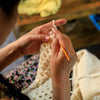
Artisans featured on indiehaat.com master these pairings, producing hand-block printed cotton-linen kurtas, silk-cotton sarees, and other distinctive items. Each piece carries the narrative of its maker, resonating with buyers who value more than surface appeal they seek connection, traceability, and enduring quality.
Blends address specific needs effectively. Cotton tempers linen's tendency to crease while preserving its cooling properties; silk adds subtle luxury without sacrificing everyday practicality. The result: garments that transition seamlessly from day to night, casual to semi-formal.
Navigating the Challenges
Mixed fabrics offer clear advantages, yet they come with considerations. Pure linen wrinkles readily, potentially frustrating fast-moving lifestyles in cities like Dubai or Sydney. Silk requires mindful handling to maintain its luster, and artisanal production often translates to premium pricing due to skilled labor and limited-scale sourcing.
Online purchasing introduces another layer: the absence of tactile experience can heighten hesitation around quality and fit. Trust builds slowly when buyers cannot feel the hand of the fabric firsthand.
Fortunately, strategic blends ease many drawbacks. Adding cotton improves durability, softens texture, and lessens wrinkling in linen or silk compositions all while retaining superior breathability. For specialized e-commerce in Indian handmade fashion, transparency proves essential. In-depth product descriptions, close-up photography, artisan profiles, size guidance, and care instructions help reassure customers and reduce uncertainty.
Growth Potential for Artisans and Ethical Retail
These fabric combinations create substantial opportunities. By sourcing directly from artisans, platforms maintain authenticity and channel support to rural India communities where traditional weaving thrives. Export demand in the US, UK, Australia, Singapore, and UAE favors unique, sustainable offerings, enabling indiehaat.com to emphasize core strengths: handmade construction, exclusive designs, and commitment to pure natural fibers.
Positive business outcomes follow. Garments last longer, cutting down on frequent replacements and textile waste. Ethical storytelling fosters deeper customer loyalty. Alignment with eco-conscious values positions these collections favorably amid growing regulatory and consumer pressure for sustainability.
Asia Pacific's leadership in natural fiber uptake driven by India's manufacturing scale and policy support gives artisan-focused platforms a distinct advantage through traceable, community-centered supply chains.
The Path Forward
Blends of silk, cotton, and linen transcend passing fads; they reflect a deliberate return to intentional, responsible dressing. As market projections show steady expansion and consumers place greater weight on sustainability without compromising style or comfort, authentic handmade pieces stand poised for continued relevance.
Discover collections that bring these timeless fabrics to life at indiehaat.com, where skilled artisans transform pure linen, silk, and cotton into wearable heirlooms. In an era of fast turnover, investing in such thoughtful blends delivers lasting elegance, genuine comfort, and a small but meaningful step toward a more sustainable wardrobe.
Frequently Asked Questions
What are the benefits of wearing mixed fabric outfits made from silk, cotton, and linen?
Mixed fabric outfits combining silk, cotton, and linen offer exceptional breathability, making them ideal for warm and humid climates. These natural fiber blends provide the best of each material—cotton adds softness and durability, silk brings elegant sheen and drape, while linen ensures superior airflow and moisture management. Additionally, these blends are biodegradable and sustainable, aligning with eco-conscious values while reducing wrinkling compared to pure linen alone.
How do cotton-silk and cotton-linen blends differ in everyday wear?
Cotton-silk blends balance softness with refined luster, making them perfect for professional settings and Indo-Western styles that require subtle elegance. Cotton-linen combinations excel in hot weather, offering maximum breathability and moisture-wicking properties while reducing the excessive wrinkling typical of pure linen. Both blends transition seamlessly from casual to semi-formal occasions, with cotton-silk adding sophistication and cotton-linen prioritizing comfort in high temperatures.
Are mixed natural fabric outfits suitable for different climates worldwide?
Yes, mixed natural fabric outfits adapt remarkably well to varied climates across regions like India, the UAE, Australia, the US, UK, and Singapore. In humid environments, cotton-linen blends provide essential airflow and prevent fabric from sticking to skin, while in desert climates like the UAE, these breathable combinations work perfectly for modest fashion. Silk-cotton blends offer versatility for fluctuating weather patterns, providing lightweight warmth when needed while maintaining breathability for year-round comfort.
Disclaimer: The above helpful resources content contains personal opinions and experiences. The information provided is for general knowledge and does not constitute professional advice.
You may also be interested in: The Ultimate Guide to Women's Clothing Fabrics: Properties, Uses
Fast fashion erodes cultural heritage, sidelining artisans and reducing traditions to trends. At IndieHaat, we champion India's craftspeople with handcrafted sarees, apparel, décor, and skincare rooted in authenticity. Each piece embodies skill and ethical care. Support artisans and preserve India's timeless legacy Shop Now!
Powered by flareAI.co



)