
Handloom Sarees Positioned as Long-Term Investments in Quality
Quick Listen:
In a world overwhelmed by fast fashion that loses its appeal after just a few wears, a thoughtful counter-movement is gaining strength in wardrobes worldwide. Women are turning to handloom sarees not only for their graceful elegance but as deliberate, long-term investments in quality that can gracefully endure for generations. These handcrafted textiles carry the soul of skilled artisans in every thread, outlasting fleeting trends while rewarding those who prioritize substance, durability, and cultural depth over disposable style.
As examined in the piece Handloom Sarees Positioned as Long-Term Investments in Quality, this growing appreciation highlights how timeless craftsmanship delivers lasting value in both everyday comfort and enduring heritage. Far from outdated relics, handloom sarees have emerged as intelligent wardrobe additions that combine classic beauty with genuine practicality.
Fast fashion erodes cultural heritage, sidelining artisans and reducing traditions to trends. At IndieHaat, we champion India's craftspeople with handcrafted sarees, apparel, décor, and skincare rooted in authenticity. Each piece embodies skill and ethical care. Support artisans and preserve India's timeless legacy Shop Now!
The Enduring Revival of Traditional Handloom Weaving
Handloom weaving across India stretches back thousands of years, carefully preserved in rural communities where families pass down intricate techniques from one generation to the next. Artisans sit at modest wooden looms, patiently guiding yarns often dyed with natural plant extracts into complex patterns that no machine can truly duplicate. The result is a truly unique saree, where subtle inconsistencies in weave and shade serve as authentic signatures of human artistry.
In recent years, this ancient practice has found fresh relevance. Consumers seeking meaningful alternatives to mass-produced clothing are rediscovering the quiet satisfaction of owning something made with care and intention. The resurgence stems less from mere sentiment and more from a clear-eyed understanding that authentic quality stands the test of time.
Distinctive Qualities That Elevate Handloom Sarees
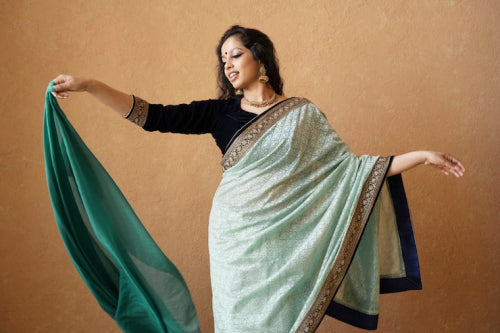
Slip into a well-crafted handloom saree and the difference is immediate and unmistakable. The fabric drapes with an organic fluidity that actually improves with repeated wear, becoming softer while maintaining its structural integrity. Breathable natural fibers such as cotton and silk offer superior comfort against the skin, in contrast to synthetics that often feel stifling and degrade rapidly.
Design elements drawn from regional legends, nature, or sacred architecture lend profound cultural resonance. These sarees are engineered for longevity a quality piece can be gracefully worn hundreds of times, handed down within families, and still retain its charm when cared for thoughtfully. Such resilience transforms what might initially appear as a luxury into a thoroughly sensible, long-lasting investment that minimizes the constant need for replacements.
Why Quality Forms the Foundation of True Value
Choosing quality has rarely felt more pertinent than in today's era of throwaway clothing. Handloom sarees quietly challenge the buy-use-discard cycle through superior construction that resists pilling, color fading, and fabric breakdown far more effectively than lower-cost options. With time and use, the material develops a refined character, akin to the patina that enhances fine leather or well-aged furniture.
From a practical economic standpoint, the higher initial investment quickly justifies itself. When one versatile saree serves across weddings, cultural celebrations, professional settings, and relaxed home occasions, the cost per wear becomes remarkably low. This perspective shifts the purchase from a fleeting expense into a reliable asset that continues providing enjoyment and utility year after year.
Handloom Sarees as Cherished Heirlooms Across Generations
Many enthusiasts regard select handloom sarees as future family treasures. A classic Banarasi silk or lightweight Chanderi cotton, preserved with care, can evolve into a meaningful legacy passed from mothers to daughters and beyond. The sentimental value of such pieces frequently surpasses any financial calculation, forging connections that span decades.
On a more tangible level, authentic weaves from established regional centers often gain appreciation among knowledgeable collectors as traditional skills become rarer amid contemporary pressures. These sarees represent a form of cultural wealth beautiful to wear today and increasingly significant to preserve for tomorrow.
The Sustainable Advantages of Supporting Handloom Traditions
The environmental toll of fast fashion, including heavy resource consumption and waste, is now widely acknowledged. Handloom production presents a far more considerate alternative. Small-scale weaving in village homes consumes limited energy, frequently employs biodegradable natural dyes, and sustains local artisan communities without the expansive ecological burden of large industrial operations.
Selecting handloom allows buyers to engage directly with sustainable practices that protect both the planet and valuable cultural knowledge. This ethical aspect enriches the overall value, letting the wearer enjoy exceptional craftsmanship while aligning with principles of mindful, responsible consumption.
Recognizing Authentic Handloom Sarees Worthy of Investment
Not every garment marketed as handloom meets the standard. Discerning shoppers look for telltale markers of genuineness: the gentle unevenness of hand-spun threads, natural variations in fabric weight, and official certification such as the Handloom Mark. Familiarity with signature regional styles further aids selection bold temple borders of Kanjeevaram, the airy grace of Maheshwari, or the geometric precision of Pochampally ikat.
Price remains a dependable clue. True handloom demands skilled hours or even weeks of labor, making suspiciously low prices a warning sign. Sourcing from established weaver groups or reputable specialists helps secure pieces that deliver on their promise from the very first wear.
- Assess the fabric for its natural, lively texture instead of mechanical uniformity.
- Test dye stability with a light rub on a discreet edge.
- Confirm origins through trusted cooperatives or certified vendors.
- Begin building a collection with adaptable shades and patterns suitable for varied occasions.
Essential Care Practices to Protect Your Investment
Attentive maintenance keeps handloom sarees looking their best for many years. Most benefit from gentle hand washing in cool water using a mild, neutral detergent that safeguards both color vibrancy and fiber strength. Dry away from harsh direct sunlight, and store folded between layers of acid-free tissue inside breathable cotton coverings to avoid creases or discoloration.
Heavily adorned silk pieces may warrant occasional professional cleaning, while everyday cotton versions thrive with simple home routines. Regular airing and mindful folding further extend their lifespan. With these straightforward steps, a handloom saree remains a dependable wardrobe staple long after seasonal fashions have shifted.
Curating a Meaningful Handloom Collection
Treating handloom as a long-term investment naturally leads to a more intentional wardrobe. Start modestly with a few adaptable pieces in timeless neutrals that coordinate effortlessly with different blouses. Over time, incorporate bolder statement sarees for important events, blending styles from various regions to express personal taste and cultural interest.
This deliberate method results in a collection that deepens in both aesthetic appeal and personal significance. Each acquisition contributes to an ongoing narrative of conscious decisions, respect for artisan skill, and trust in quality that consistently satisfies. Eventually, the wardrobe itself mirrors values worth holding onto.
Balancing Heritage with Contemporary Living
Handloom sarees demonstrate that meaningful progress need not erase valuable traditions. They connect different generations, link wearers to distant artisan communities, and offer a subtle stand against relentless overconsumption. By framing these textiles as long-term investments in quality, we acknowledge that certain choices merit patience, appreciation, and preservation.
The next time you have the chance to drape a handloom saree, take a brief pause. Sense the depth of history within its folds, the genuine comfort of skilled workmanship, and the quiet fulfillment of selecting something built to last. In our fast-moving, disposable culture, that experience carries lasting worth.
Frequently Asked Questions
Why are handloom sarees considered long-term investments compared to fast fashion?
Handloom sarees are crafted using traditional techniques with natural fibers like cotton and silk, making them far more durable than mass-produced alternatives that quickly degrade. Their fabric actually improves with wear, becoming softer while retaining structural integrity. When a single versatile saree serves across weddings, professional settings, and casual occasions, the cost per wear becomes remarkably low shifting the purchase from a fleeting expense to a lasting asset.
How can I identify an authentic handloom saree worth investing in?
Genuine handloom sarees carry distinct markers such as subtle unevenness in hand-spun threads, natural variations in fabric weight, and official certification like the Handloom Mark. Recognizing regional styles such as the bold temple borders of Kanjeevaram, the airy feel of Maheshwari, or the geometric patterns of Pochampally ikat also helps. Sourcing from trusted weaver cooperatives or certified vendors, and being cautious of suspiciously low prices, ensures you're getting an authentic, investment-worthy piece.
Are handloom sarees a sustainable and eco-friendly clothing choice?
Yes handloom production is significantly more environmentally responsible than industrial fast fashion. Small-scale weaving consumes limited energy, frequently uses biodegradable natural dyes, and supports local artisan communities without the heavy ecological footprint of large factories. By choosing handloom, buyers align with mindful consumption principles while also helping preserve centuries-old cultural traditions and craft knowledge.
Disclaimer: The above helpful resources content contains personal opinions and experiences. The information provided is for general knowledge and does not constitute professional advice.
You may also be interested in: The Risks and Rewards of Positioning Craft as Premium
Fast fashion erodes cultural heritage, sidelining artisans and reducing traditions to trends. At IndieHaat, we champion India's craftspeople with handcrafted sarees, apparel, décor, and skincare rooted in authenticity. Each piece embodies skill and ethical care. Support artisans and preserve India's timeless legacy Shop Now!
Powered by flareAI.co