
How Artisans in Rural India Are Adapting Traditional Weaving to Contemporary Markets
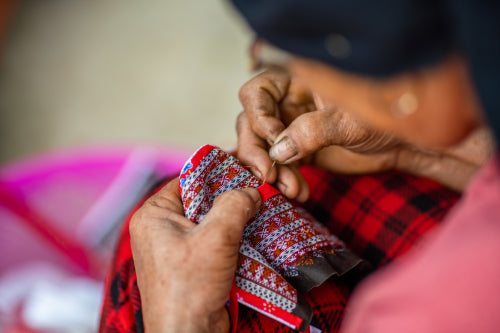
The story of Indian weaving is not simply one of preservation; it is one of continuous adaptation. Across rural craft clusters, weaving traditions that once served purely local needs are now finding renewed relevance in global fashion conversations. As designers and cultural enterprises re-examine the meaning of authenticity, the dialogue around traditional weaving India contemporary fashion is shifting from nostalgia to innovation. This evolution is not about replacing heritage techniques but about reinterpreting them for modern wardrobes, international aesthetics, and conscious consumption patterns.
What makes this transformation especially significant is the way it is being led from within artisan communities themselves. Weavers, dyers, and spinners are not passive participants in this change. They are active contributors, reshaping their craft in response to evolving demand while maintaining the integrity of their cultural knowledge. This balance between continuity and change defines the next chapter of India's textile identity.
Fast fashion erodes cultural heritage, sidelining artisans and reducing traditions to trends. At IndieHaat, we champion India's craftspeople with handcrafted sarees, apparel, décor, and skincare rooted in authenticity. Each piece embodies skill and ethical care. Support artisans and preserve India's timeless legacy Shop Now!
From Heritage Practice to Contemporary Expression
In many rural weaving communities, craft traditions are deeply embedded in daily life. Techniques such as Bhujodi weaving and Ajrakh block printing continue to be practiced using pit looms, natural materials, and dyeing methods rooted in ecological knowledge. These are not static traditions; they are living systems that evolve slowly over generations.
Within this context, the shift toward Indian handloom adapting to modern markets is not a rupture but a gradual extension of existing practices. A single handwoven textile may take weeks to complete, reflecting a production rhythm that prioritizes patience, precision, and material respect over speed. This slower cadence stands in contrast to industrial manufacturing, offering an alternative narrative to mass-produced fashion cycles.
As global interest grows in authenticity and traceability, these heritage systems are increasingly being recognized not just as cultural artifacts but as viable contributors to contemporary design languages.
Rural Craft Ecosystems and the Logic of Adaptation
Rural weaving clusters function as interconnected ecosystems where livelihoods, ecology, and cultural memory are closely linked. In regions such as Kutch and the Kumaon Himalayas, weaving is often intertwined with agriculture, pastoral practices, and seasonal rhythms. This integration allows craft traditions to remain resilient even under shifting economic pressures.
Artisans in rural regions like Kutch and the Kumaon Himalayas continue to uphold time-honored practices such as Bhujodi weaving and Ajrakh block printing, using pit looms, locally sourced materials like Kala cotton and natural dyes, and labor-intensive techniques passed down through generations. A single Bhujodi shawl can take up to a month to complete, embodying a deliberate pace that starkly contrasts with fast fashion's wastefulness. These methods not only preserve cultural motifs inspired by everyday rural life but also minimize environmental impact through water recycling systems and eco-friendly processes. Social enterprises like Khamir and Kilmora play a pivotal role by rebuilding supply chains after crises such as the 2001 Bhuj earthquake, training artisans, connecting them directly to contemporary markets, and fostering collaborations with designers who blend traditional elements with modern silhouettes and functionalities. This adaptation enables rural weavers to create high-value products for global audiences while maintaining agency over their craft, supporting reverse migration, and generating sustainable livelihoods. For platforms connecting artisans to buyers, these examples highlight how honoring slow, relational production processes can meet rising demand for authentic, durable, and responsible textiles, turning cultural heritage into a resilient economic asset that appeals to conscious consumers seeking meaningful alternatives to mass-produced goods.
This approach is increasingly central to discussions around artisan weaving sustainability, where the emphasis is not only on preserving craft but also on ensuring that it remains economically viable for future generations. The result is a model where cultural continuity and market adaptation reinforce each other rather than exist in tension.
Design Collaboration and the Rise of Fusion Textile Languages
One of the most visible shifts in recent years has been the collaboration between artisans and contemporary designers. These partnerships are shaping what is often described as fusion textile design India, where traditional motifs, weaving structures, and dyeing techniques are reinterpreted through modern silhouettes and functional requirements.
Rather than treating heritage motifs as static symbols, designers are engaging with them as flexible visual languages. This allows handwoven textiles to move beyond ceremonial or regional usage and enter everyday wardrobes, international runways, and lifestyle collections. The result is a dynamic exchange where both craft and design evolve through dialogue.
Such collaborations also help reposition indigenous craft knowledge as a source of innovation. Instead of being framed as “traditional,” weaving practices are increasingly understood as adaptive systems capable of responding to changing aesthetics, climates, and consumer expectations.
Materials, Ecology, and the Slow Fashion Advantage
The renewed interest in handwoven fabrics is closely tied to broader conversations about environmental responsibility. Natural fibers, local sourcing, and low-energy production methods are intrinsic to many weaving traditions, making them naturally aligned with the principles of slow fashion.
In rural Kutch, pastoral communities traditionally relied on indigenous sheep breeds like Patanwadi for high-quality wool used in local weaving, but shifting market demands toward meat production threatened this ecosystem and the livelihoods of spinners and weavers. Initiatives focused on reviving 'Desi Oon' address these challenges by sourcing from local herders, improving wool quality through testing and processing, and training women artisans in spinning and weaving techniques suited for contemporary products. Collaborations with designers integrate traditional methods with modern aesthetics, creating garments and fabrics that appeal to broader markets while emphasizing sustainability and cultural heritage. This approach has generated consistent income for over a hundred artisans, increased local wool utilization, and achieved significant annual sales, demonstrating how targeted interventions can restore value chains, prevent breed decline, and create market demand for authentic regional crafts. By establishing processing units, organizing exhibitions, and ensuring fair wages, such efforts empower rural communities to sustain their pastoral and weaving traditions amid environmental and economic pressures. For e-commerce platforms dedicated to handmade Indian products, these stories illustrate the potential of bridging heritage skills with innovative design and direct market access to foster long-term viability and pride in rural craftsmanship.
Within the broader context of handloom industry India modernization, such examples show that sustainability is not an external add-on but an inherent feature of many craft-based production systems. The emphasis on repairability, durability, and material honesty positions handwoven textiles as a meaningful alternative to disposable fashion cycles.
Market Access and the Digital Transformation of Craft
While craft traditions are deeply local, their survival increasingly depends on access to wider markets. Digital platforms and curated marketplaces are playing a growing role in bridging this gap, enabling artisans to reach audiences that value authenticity, craftsmanship, and ethical sourcing.
This shift is particularly relevant for rural Indian artisans modern weaving techniques, where visibility and fair compensation often depend on intermediaries that can translate craft value into contemporary consumer contexts. By connecting artisans directly or semi-directly with buyers, these platforms help reduce fragmentation in supply chains while preserving the integrity of handmade production.
At the same time, the rise of digital commerce encourages experimentation. Artisans are increasingly exposed to global design trends, allowing them to incorporate subtle innovations into traditional frameworks without losing cultural grounding. This interplay strengthens the relevance of weaving traditions in evolving lifestyle markets.
Challenges and the Future of Indigenous Weaving Systems
Despite growing recognition, weaving communities continue to face structural challenges. These include fluctuating demand, limited access to design education, and the pressures of competing with machine-made textiles. Younger generations, in particular, often navigate complex choices between traditional livelihoods and alternative employment opportunities.
However, the future of indigenous weaving techniques modern design lies in strengthening the ecosystems that support it. This includes sustained investment in training, design collaboration, infrastructure, and market access. Equally important is the recognition of artisans as co-creators rather than suppliers within the value chain.
As contemporary fashion continues to explore more meaningful narratives, handwoven textiles are likely to remain central to discussions about identity, sustainability, and cultural continuity. Their value lies not only in aesthetic appeal but in the knowledge systems they represent systems that have evolved over centuries and continue to adapt in response to modern realities.
Ultimately, the evolution of weaving in rural India reflects a broader shift in how craft is understood globally. It is no longer seen as a relic of the past, but as a living, evolving practice capable of shaping the future of design, sustainability, and cultural expression.
Frequently Asked Questions
What role does sustainable and slow fashion play in Indian handloom weaving traditions?
Sustainable and slow fashion is closely aligned with Indian handloom weaving because these traditions inherently rely on natural materials, low-energy production, and time-intensive craftsmanship. Handwoven textiles prioritize durability, repairability, and ecological balance, making them a strong alternative to fast fashion. Many rural weaving systems already function as sustainable ecosystems tied to local resources and seasonal cycles. This alignment strengthens the position of handloom products in environmentally conscious markets.
How are rural Indian artisans adapting traditional weaving to contemporary fashion markets?
Rural Indian artisans are adapting traditional weaving practices by integrating heritage techniques with modern design requirements and global fashion trends. They continue using methods like handloom weaving, natural dyes, and regional motifs while reinterpreting them for contemporary silhouettes and lifestyle products. Digital platforms and curated marketplaces are also helping them reach wider audiences and improve market access. This evolution allows artisans to maintain cultural integrity while participating in modern, competitive markets.
How do collaborations between designers and artisans influence fusion textile design in India?
Collaborations between designers and artisans are driving the emergence of fusion textile design in India by blending traditional weaving techniques with contemporary aesthetics. Designers reinterpret indigenous motifs, weaving structures, and dyeing methods into modern silhouettes and functional apparel. These partnerships expand the use of handwoven textiles beyond regional or ceremonial contexts into global fashion markets. As a result, craft knowledge is increasingly recognized as a source of innovation rather than just heritage preservation.
Disclaimer: The above helpful resources content contains personal opinions and experiences. The information provided is for general knowledge and does not constitute professional advice.
You may also be interested in: How Handloom Weavers in India Are Adapting to Changing Fashion
Fast fashion erodes cultural heritage, sidelining artisans and reducing traditions to trends. At IndieHaat, we champion India's craftspeople with handcrafted sarees, apparel, décor, and skincare rooted in authenticity. Each piece embodies skill and ethical care. Support artisans and preserve India's timeless legacy Shop Now!
Powered by flareAI.co