
How Ethical Shopping Supports Small Businesses
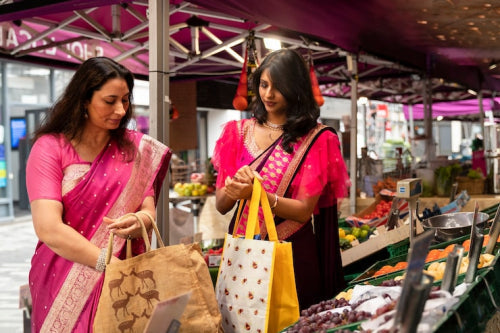
Ethical shopping is changing the way people think about everyday purchases. Instead of focusing only on price or convenience, many consumers are paying closer attention to how products are made, who creates them, and what impact their spending has on communities. This shift has created new opportunities for small businesses, independent makers, and artisan-led brands to connect with customers through transparency, craftsmanship, and shared values.
For small businesses, ethical shopping is not simply about selling a product. It is about building relationships around responsible practices, meaningful stories, and the people behind each creation. When consumers choose thoughtfully made goods, their decisions can help support creative communities, preserve traditional skills, and encourage a more balanced approach to commerce.
Fast fashion erodes cultural heritage, sidelining artisans and reducing traditions to trends. At IndieHaat, we champion India's craftspeople with handcrafted sarees, apparel, décor, and skincare rooted in authenticity. Each piece embodies skill and ethical care. Support artisans and preserve India's timeless legacy Shop Now!
Why Ethical Shopping Matters for Small Businesses
Small businesses often compete with larger companies that have greater resources, wider distribution networks, and significant purchasing power. Ethical shopping creates a different way for smaller businesses to stand out by highlighting qualities that are difficult to replicate at scale, such as personal craftsmanship, direct relationships with makers, and carefully developed products.
Many independent businesses are built around specialised skills and unique production methods. A handmade textile, artisan accessory, or handcrafted home product carries more than functional value; it reflects the time, expertise, and cultural knowledge involved in creating it. Ethical consumer choices allow shoppers to recognise these contributions and support businesses that prioritise people and processes alongside commercial goals.
The connection between shoppers and small businesses becomes stronger when customers understand the journey behind a product. Information about materials, production methods, and the people involved helps create trust and encourages more thoughtful purchasing decisions.
How Ethical Consumer Choices Strengthen Artisan Communities
Supporting small businesses through ethical shopping can have a meaningful impact on the communities connected to production. Independent makers and artisans often rely on customer demand to continue developing their skills and maintaining traditional practices.
When shoppers choose products created by craftspeople, they contribute to a system where creativity and specialised knowledge remain valuable. This is particularly important for artisan communities, where generations of experience may be reflected in techniques, designs, and production methods.
Ethical purchasing also encourages businesses to focus on responsible partnerships. Instead of treating production as an anonymous supply chain, small businesses can build closer connections with the people who create their products. These relationships can support greater visibility, appreciation, and recognition for makers.
Consumer interest in responsible purchasing continues to influence how businesses communicate their values. Research from ethical purchasing priorities highlights continued consumer interest in responsible buying decisions, even during periods when shoppers are balancing financial considerations with broader concerns about fairness and sustainability.
The Role of Transparency in Building Consumer Trust
Transparency has become an important part of ethical shopping. Consumers increasingly want to understand what they are buying, where products come from, and how businesses approach production. For small companies, sharing these details can help create stronger connections with their audiences.
A transparent approach does not require businesses to make unrealistic promises. Instead, it involves communicating clearly about sourcing, craftsmanship, production choices, and the values that guide business decisions. This honesty helps customers make informed choices while recognising the effort behind each product.
For artisan-focused businesses, storytelling plays an important role in showing the human side of commerce. A product becomes more meaningful when customers understand the skills, traditions, and creative processes involved in bringing it to life.
This approach also changes the way consumers view value. Ethical shopping encourages people to consider durability, craftsmanship, and long-term usefulness rather than making decisions based only on immediate cost.
Why Consumers Are Choosing Small Businesses More Thoughtfully
The relationship between consumers and small businesses is evolving. Many shoppers are looking beyond standardised products and seeking items that offer originality, quality, and a stronger connection to the businesses behind them.
Independent retailers and specialty businesses benefit from this interest because they often provide experiences centred around discovery and craftsmanship. According to values-driven shopping trends, consumers are increasingly interested in unique products and businesses that align with personal values, including sustainability and responsible production.
This shift does not mean every purchase needs to be based on ethical considerations alone. Instead, it reflects a broader awareness that shopping decisions can support different types of businesses and encourage practices that customers want to see more often.
For small businesses, this creates an opportunity to compete through authenticity. Rather than trying to match large retailers on volume, independent brands can focus on what makes their products distinctive: craftsmanship, meaningful design, and closer relationships with customers.
Challenges Small Businesses Face in Ethical Commerce
While ethical shopping creates opportunities, small businesses also face challenges when trying to communicate their values and maintain responsible practices. Building trust requires consistency, clear communication, and attention to the details that influence customer confidence.
Balancing Responsibility and Accessibility
Small businesses often need to balance responsible production choices with customer expectations around affordability and availability. Ethical practices may require careful sourcing, skilled labour, and thoughtful production processes, which can influence how products are priced.
The challenge is creating transparency around this value. When customers understand the effort behind a product, they can better appreciate why handmade and responsibly produced items may differ from mass-produced alternatives.
Maintaining Authenticity as Demand Grows
Growth can also create challenges for small businesses that want to preserve their original values. Expanding product ranges or reaching new customers requires careful decisions to ensure quality and responsible practices remain central.
Businesses that maintain strong connections with their makers and communicate openly with customers are better positioned to protect the authenticity that attracted shoppers in the first place.
How Consumers Can Support Small Businesses Through Ethical Shopping
Ethical shopping does not require perfection. It begins with awareness and small decisions that help consumers understand the impact of their purchases. Shoppers can support small businesses by looking beyond price alone and considering the story, craftsmanship, and values behind the products they choose.
- Researching businesses: Learn about how products are made, where materials come from, and whether companies communicate openly about their practices.
- Choosing craftsmanship: Consider handmade and thoughtfully produced items that reflect specialised skills and creative effort.
- Supporting independent makers: Purchasing from smaller businesses can help sustain creative communities and encourage diverse forms of production.
- Valuing quality over quantity: Selecting products designed for longer use can encourage more responsible consumption habits.
These choices allow consumers to become active participants in a more thoughtful economy. Every purchase represents a decision about which businesses, practices, and communities receive support.
The Connection Between Ethical Shopping and Handmade Commerce
Handmade products represent a direct connection between consumers and creators. They often reflect traditional skills, individual creativity, and production methods that are closely tied to personal expertise.
For curated marketplaces focused on artisan-made goods, ethical shopping provides an opportunity to introduce customers to products with meaningful origins. The value is not only in the finished item but also in the people, techniques, and communities connected to its creation.
Brands that work with handcrafted products can help customers discover alternatives to mass-produced goods while encouraging appreciation for responsible production. By sharing the stories behind products, businesses can help shoppers understand how their choices contribute to sustaining creative traditions and independent livelihoods.
Building a More Conscious Future Through Everyday Purchases
Ethical shopping is becoming an important part of how consumers think about value. It encourages a broader perspective where purchases are connected to people, communities, and production choices rather than being viewed as simple transactions.
For small businesses, this creates space to build meaningful relationships with customers who appreciate authenticity and responsible practices. For consumers, it provides an opportunity to support businesses that reflect their values while discovering products with deeper stories and purpose.
As shopping habits continue to evolve, ethical choices can help strengthen the connection between creators and consumers. Supporting small businesses through thoughtful purchasing decisions is not only about what people buy; it is also about recognising the people and traditions that make those products possible.
Frequently Asked Questions
How does ethical shopping support small businesses?
Ethical shopping supports small businesses by directing customer spending toward independent makers, artisans, and responsible brands. It helps these businesses highlight craftsmanship, transparent practices, and meaningful connections with the people behind their products.
Why should consumers choose to buy from small businesses?
Consumers may choose small businesses because they often offer unique products, personalised experiences, and stronger connections to craftsmanship. Buying from smaller companies can also support creative communities and encourage more thoughtful consumption habits.
What are the benefits of ethical shopping for artisan communities?
The benefits of ethical shopping for artisan communities include greater recognition for traditional skills, stronger maker relationships, and continued support for creative livelihoods. When consumers make conscious purchasing decisions, they help sustain the knowledge and craftsmanship behind handmade products.
Disclaimer: The above helpful resources content contains personal opinions and experiences. The information provided is for general knowledge and does not constitute professional advice.
You may also be interested in: Why Support for Local Artisans Is Important - Indiehaat.com
Fast fashion erodes cultural heritage, sidelining artisans and reducing traditions to trends. At IndieHaat, we champion India's craftspeople with handcrafted sarees, apparel, décor, and skincare rooted in authenticity. Each piece embodies skill and ethical care. Support artisans and preserve India's timeless legacy Shop Now!
Powered by flareAI.co