
How Handmade Fashion Supports Rural Livelihoods
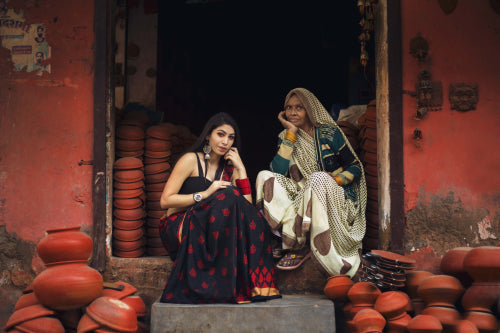
Handmade fashion carries a story that extends far beyond the finished garment. Every woven fabric, embroidered detail, and handcrafted accessory represents the knowledge, creativity, and labour of people who have developed specialised skills over generations. For many rural communities, craft-based work is not only a way to preserve cultural traditions but also an important source of income and economic participation. Understanding how handmade fashion supports rural livelihoods reveals why conscious choices in clothing can influence communities, artisans, and the future of traditional craftsmanship.
Fast fashion erodes cultural heritage, sidelining artisans and reducing traditions to trends. At IndieHaat, we champion India's craftspeople with handcrafted sarees, apparel, décor, and skincare rooted in authenticity. Each piece embodies skill and ethical care. Support artisans and preserve India's timeless legacy Shop Now!
The Connection Between Handmade Fashion and Rural Communities
Unlike mass-produced fashion systems built around standardisation, handmade fashion depends on human expertise. Artisans contribute skills that often require years of practice, from weaving and dyeing to embroidery, stitching, and finishing techniques. These capabilities are deeply connected to local traditions and are often passed through families and communities.
When consumers choose handmade products, they are supporting a production model where value is created through craftsmanship rather than only through scale. The purchase of an artisan-made garment can help maintain specialised skills, encourage younger generations to continue learning traditional techniques, and keep craft knowledge active within communities.
Handmade fashion also creates opportunities beyond the person who makes the final product. Craft ecosystems can include people involved in sourcing materials, preparing textiles, adding decorative elements, and supporting distribution. This network allows income generated through craft activities to circulate within local economies.
How Artisan Work Creates Economic Opportunities
For many rural households, craft-based work provides an alternative or additional source of livelihood alongside other forms of employment. The flexibility of artisan work can be especially valuable for people who balance income generation with family and community responsibilities.
Research into India's handloom and handicraft sector highlights the scale of this contribution. A study covering key states found that the ecosystem supports over six million workers and represents a significant share of manufacturing employment in those regions. The same research noted that around twenty-six percent of manufacturing workers in the surveyed areas are connected to this sector.
These figures illustrate why handmade fashion remains closely linked with rural economic resilience. Behind each product is often a network of individuals whose skills contribute to household income, community stability, and the continuation of local industries.
The Role of Handmade Fashion in Empowering Artisans
The relationship between fashion and artisan communities is changing as consumers become more interested in knowing where their products come from. People are increasingly looking beyond appearance and asking questions about production methods, materials, and the human effort involved in creating what they wear.
This shift creates opportunities for brands and marketplaces that connect customers with authentic craftsmanship. By creating stronger links between artisans and buyers, the fashion industry can help reduce dependence on unclear supply chains and give greater visibility to the people behind handmade products.
Direct connections between creators and customers also help communicate the value of craftsmanship. A handmade garment is not only a piece of clothing; it represents time, technique, cultural knowledge, and individual creativity. Sharing these stories allows consumers to understand why artisan-made products carry meaning beyond their physical form.
Preserving Traditional Crafts Through Sustainable Fashion Choices
Traditional crafts can disappear when younger generations do not see opportunities in continuing artisan work. Handmade fashion provides a pathway for these skills to remain relevant by connecting heritage techniques with modern consumer preferences.
Sustainable fashion conversations often focus on materials, waste reduction, and responsible production. However, sustainability also includes protecting human skills and supporting communities that maintain traditional methods. Craft preservation is an important part of building a fashion ecosystem that values longevity, responsibility, and cultural diversity.
Consumers who choose handmade products contribute to this process by creating demand for craftsmanship. Their choices encourage continued investment in skills that might otherwise receive less attention in a market dominated by faster production cycles.
Challenges Faced by Rural Artisans and Craft Communities
While handmade fashion offers meaningful opportunities, artisan communities also face challenges. Many craftspeople work within informal systems where access to wider markets, design resources, and stable customer relationships can be limited.
Market access is one of the most important factors influencing the future of handmade fashion. Skilled artisans may create exceptional products but still struggle to reach customers who appreciate their work. Digital platforms and thoughtful brand partnerships can help bridge this gap by introducing traditional crafts to new audiences.
Another challenge is ensuring that craftsmanship remains economically viable for future generations. When artisans receive greater recognition and more consistent opportunities, younger community members may be more likely to view craft-based careers as valuable and sustainable paths.
How Consumers Can Support Rural Livelihoods Through Fashion Choices
Supporting artisan communities does not require consumers to completely change their wardrobes. Small, informed decisions can help create stronger connections between buyers and makers.
- Choose authenticity: Look for products where craftsmanship, materials, and production stories are clearly communicated.
- Value quality over quantity: Handmade pieces often reflect careful workmanship and are designed to be appreciated over time.
- Learn about traditional techniques: Understanding the skill behind a product creates greater appreciation for artisan communities.
- Support responsible marketplaces: Platforms that carefully curate handmade products can help customers discover genuine craftsmanship.
These choices help shift fashion from a purely transactional experience into a relationship between creators, customers, and communities.
The Future of Handmade Fashion and Artisan-led Growth
Handmade fashion has an opportunity to play an important role in connecting cultural heritage with modern consumer values. As interest grows around responsible purchasing and meaningful products, artisan communities can gain greater visibility and recognition.
The future of this sector depends on collaboration between artisans, designers, businesses, and consumers. Supporting rural livelihoods requires more than appreciating traditional crafts; it requires building systems that allow skilled makers to access customers, communicate their stories, and continue developing their expertise.
Curated platforms focused on authentic handcrafted products contribute to this ecosystem by helping consumers discover artisan-made apparel, accessories, home décor, and other creations. By bringing craftsmanship closer to buyers, these platforms help highlight the people and traditions behind every product.
Handmade fashion represents a connection between creativity and community. When consumers understand the impact behind their choices, clothing becomes more than a personal style decision. It becomes a way to support livelihoods, protect traditions, and recognise the value of human craftsmanship.
Frequently Asked Questions
How does handmade fashion support rural livelihoods?
Handmade fashion supports rural livelihoods by creating income opportunities for artisans who use traditional skills such as weaving, embroidery, and textile craftsmanship. It helps preserve cultural knowledge while allowing craft-based communities to participate in sustainable economic activities.
How does buying handmade clothing help artisan communities?
Buying handmade clothing helps artisan communities by creating demand for their skills and increasing visibility for their work. Consumers support a more connected fashion system where craftsmanship, traditional techniques, and community-based production are valued.
What role do traditional crafts play in sustainable fashion?
Traditional crafts play an important role in sustainable fashion by preserving skilled techniques and encouraging thoughtful production methods. Supporting Indian artisans and traditional crafts helps maintain cultural heritage while promoting more meaningful choices in clothing consumption.
Disclaimer: The above helpful resources content contains personal opinions and experiences. The information provided is for general knowledge and does not constitute professional advice.
You may also be interested in: How Buyers Compare Handmade and Mass-produced Alternatives
Fast fashion erodes cultural heritage, sidelining artisans and reducing traditions to trends. At IndieHaat, we champion India's craftspeople with handcrafted sarees, apparel, décor, and skincare rooted in authenticity. Each piece embodies skill and ethical care. Support artisans and preserve India's timeless legacy Shop Now!
Powered by flareAI.co