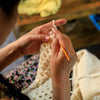
How Handmade Goods Blend Functionality and Beauty
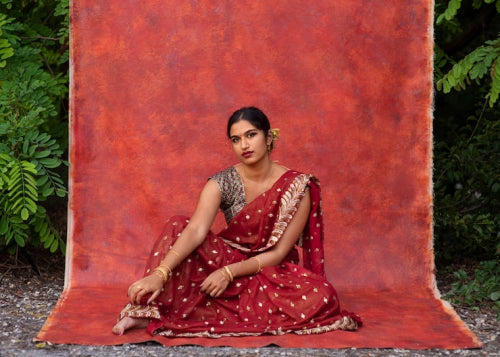
Handmade goods are often recognised for their visual appeal, but their value extends far beyond appearance. A carefully crafted textile, accessory, or home object can solve everyday needs while carrying the creativity, skill, and cultural knowledge of the person who made it. The connection between usefulness and beauty is what makes handmade products distinctive. Rather than separating design from function, artisans often bring both together through thoughtful materials, traditional techniques, and careful attention to detail. For consumers exploring more meaningful purchases, understanding how handmade goods blend functionality and beauty reveals why these creations continue to hold relevance in modern lifestyles.
Fast fashion erodes cultural heritage, sidelining artisans and reducing traditions to trends. At IndieHaat, we champion India's craftspeople with handcrafted sarees, apparel, décor, and skincare rooted in authenticity. Each piece embodies skill and ethical care. Support artisans and preserve India's timeless legacy Shop Now!
Why Function and Beauty Matter Together in Handmade Design
Functional handmade products are created with purpose. They are not simply decorative pieces placed on display; they are designed to become part of daily routines. A handcrafted garment needs to provide comfort and usability while expressing artistic identity. A handmade home accessory needs to serve a practical role while contributing character and warmth to a living space.
This balance comes from the artisan's approach to making. Traditional makers often develop a deep understanding of materials, techniques, and user needs over years of practice. The result is an object where every choice, from fabric selection to finishing details, supports both appearance and performance.
The growing appreciation for artisan craftsmanship reflects a wider interest in products that feel personal and connected to human creativity. Traditional craftsmanship is increasingly being recognised as part of contemporary design discussions, with artisans gaining visibility in creative spaces where history, identity, and modern aesthetics meet. Artisan craftsmanship demonstrates how handmade objects can represent both cultural expression and practical design value.
The Role of Craftsmanship in Creating Lasting Value
The benefits of handmade products are closely linked to the craftsmanship behind them. Unlike standardised manufacturing processes, handmade creation often allows makers to focus on individual details, material qualities, and techniques that give each piece its own character.
Craftsmanship can influence how a product feels, functions, and connects with the person using it. A handwoven textile may reflect careful technique through its texture and structure. A handcrafted accessory may stand out because of its unique patterns or finishing. A decorative object may become more meaningful because it carries the story of a specific craft tradition.
For consumers, this creates a different relationship with ownership. Instead of choosing an item only for immediate use, they may value the process, skill, and cultural context behind it. The object becomes a reminder that design can include human effort, creativity, and heritage.
How Handmade Products Combine Art and Function
The phrase “handmade” is sometimes associated only with artistic expression, but many artisan-made products demonstrate that creativity and practicality can work together. The strongest designs often begin with a clear purpose and use visual elements to improve the overall experience.
Everyday Fashion with Artistic Identity
Handcrafted apparel shows how clothing can be both functional and expressive. Fabrics, patterns, embroidery, and construction methods can provide comfort while also representing regional techniques and creative traditions. A thoughtfully designed piece allows the wearer to use it regularly while appreciating the craftsmanship involved in its creation.
This approach supports a different view of fashion, where beauty is not separated from usability. Clothing can be comfortable, adaptable, and visually distinctive at the same time. The result is fashion that reflects personal style while maintaining a connection to skilled making practices.
Home Products That Combine Purpose and Character
Handmade home décor follows a similar principle. Objects used in everyday spaces can provide practical benefits while adding texture, personality, and emotional value. A handcrafted item may help organise a room, improve functionality, or enhance a space while also becoming a conversation piece.
The relationship between traditional methods and contemporary design continues to show how handmade goods can adapt to modern lifestyles. Craft fairs and design platforms increasingly highlight the combination of heritage techniques with current aesthetics, demonstrating how functional objects can also serve as meaningful design elements. Craft meeting modern design reflects this movement towards products that connect practical use with artistic character.
Why Consumers Are Looking Beyond Mass-produced Products
The comparison between handmade versus mass produced products is not simply about choosing one approach over another. Each has a place, but handmade goods offer qualities that many consumers increasingly value, including individuality, craftsmanship, and a visible connection to the maker.
Mass-produced items are often designed for consistency and scale. Handmade products, by contrast, can highlight variation and personal expression. Small differences in texture, shape, or finish are often part of what makes a handcrafted item special rather than imperfections to be removed.
Consumers who appreciate handmade products are often looking for more than a functional purchase. They may want items that reflect personal values, support creative traditions, or bring a sense of authenticity into everyday life. This shift encourages brands and marketplaces to communicate not only what a product does but also the story, skill, and design thinking behind it.
The Importance of Traditional Craftsmanship in Modern Lifestyle Choices
Traditional craftsmanship in modern lifestyle choices is not about preserving old techniques in isolation. It is about finding ways for these skills to remain relevant as consumer preferences change. Artisans continue to adapt materials, forms, and designs to meet contemporary needs while maintaining the essence of their craft.
This relationship between heritage and innovation creates opportunities for handmade goods to fit naturally into modern homes, wardrobes, and personal styles. A product can reflect generations of knowledge while still meeting the expectations of today's users.
The continued connection between traditional techniques and modern design shows that beauty and functionality are not competing ideas. When thoughtful craftsmanship guides the creation process, an object can provide practical value while also carrying cultural meaning and visual appeal.
How Brands Can Communicate the Value of Handmade Goods
For businesses that showcase artisan-made products, explaining craftsmanship clearly is an important part of helping customers understand value. A handmade item's appeal often comes from details that are not immediately visible, such as the process behind its creation, the skills involved, and the choices made by the artisan.
Effective storytelling can help consumers recognise why a product is different from a standardised alternative. Instead of focusing only on appearance, brands can highlight the relationship between design, purpose, materials, and the people behind each creation.
This approach is especially relevant for curated marketplaces that connect customers with handmade apparel, accessories, home décor, and artisan products. By presenting craftsmanship as a design advantage, such platforms can help consumers discover products that combine everyday usefulness with artistic expression.
Building a Future Where Handmade Design Remains Relevant
Handmade goods continue to demonstrate that practical objects can also carry creativity, history, and emotional significance. The strongest examples of artisan design do not choose between functionality and beauty; they bring both together through thoughtful making.
As consumers become more interested in meaningful purchases, handmade products provide an opportunity to explore a different approach to ownership. They represent careful creation, individual expression, and a connection between maker and user.
For those discovering artisan-made products for the first time, the value lies not only in how an item looks but also in how it fits into everyday life. Handmade goods remind us that useful design can still be personal, and beauty can exist alongside purpose.
Frequently Asked Questions
How do handmade goods combine functionality and beauty?
Handmade goods combine functionality and beauty by bringing practical design together with artistic craftsmanship. Artisans carefully choose materials, techniques, and details to create products that are useful while also expressing creativity, cultural identity, and personal style.
What are the benefits of handmade products compared with mass-produced items?
The benefits of handmade products include unique designs, skilled craftsmanship, and a stronger connection between the maker and the user. Unlike mass-produced items focused on consistency and scale, handmade goods often offer individuality, meaningful details, and a sense of authenticity.
Why is traditional craftsmanship important in modern lifestyle choices?
Traditional craftsmanship is important because it allows heritage techniques to remain relevant while adapting to contemporary needs. Handmade products can bring cultural value, sustainable design thinking, and practical beauty into modern fashion, accessories, and home spaces.
Disclaimer: The above helpful resources content contains personal opinions and experiences. The information provided is for general knowledge and does not constitute professional advice.
You may also be interested in: The Beauty of Hand-painted Textile Art - Indiehaat.com
Fast fashion erodes cultural heritage, sidelining artisans and reducing traditions to trends. At IndieHaat, we champion India's craftspeople with handcrafted sarees, apparel, décor, and skincare rooted in authenticity. Each piece embodies skill and ethical care. Support artisans and preserve India's timeless legacy Shop Now!
Powered by flareAI.co