
How Handmade Products Celebrate Cultural Heritage
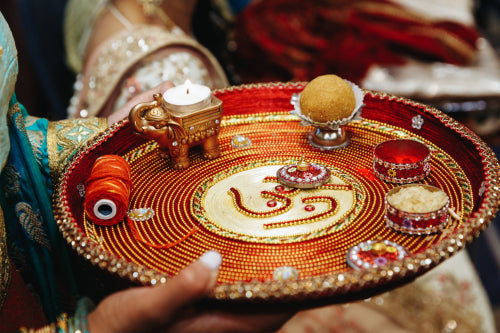
Handmade products carry more than visual appeal. They preserve memories, techniques, and cultural knowledge passed between generations. A woven textile, handcrafted accessory, or artisan-created home décor piece often reflects the environment, history, and creative identity of the community that produced it. Understanding how handmade products celebrate cultural heritage helps consumers see these items not only as purchases but as connections to living traditions and the people who keep them alive.
Cultural heritage is often expressed through everyday objects. Handmade products capture the relationship between people, materials, and local creativity. Unlike mass-produced items designed for uniformity, artisan-made goods often retain the marks of individual craftsmanship, making each piece a reflection of a maker's skills and cultural background.
Traditional crafts preserve knowledge that may include weaving methods, embroidery patterns, dyeing processes, carving techniques, and material selection. These practices are shaped by generations of experience and often communicate stories about communities, landscapes, celebrations, and social traditions.
The value of handmade products comes from this combination of creativity and continuity. When consumers choose artisan-made goods, they engage with a form of cultural expression that connects historical practices with modern lifestyles.
Fast fashion erodes cultural heritage, sidelining artisans and reducing traditions to trends. At IndieHaat, we champion India's craftspeople with handcrafted sarees, apparel, décor, and skincare rooted in authenticity. Each piece embodies skill and ethical care. Support artisans and preserve India's timeless legacy Shop Now!
The Connection Between Craftsmanship and Cultural Identity
Craft traditions are closely connected to identity because they represent the knowledge and creativity of specific communities. Patterns, colours, textures, and production methods can reflect regional influences and cultural values. A handmade product can communicate where it comes from and the traditions that shaped its creation.
Craftsmanship also represents a form of storytelling. The materials selected, the techniques used, and the designs created by artisans often carry meanings developed over many years. A product becomes more meaningful when consumers understand the human effort and cultural context behind it.
Organizations working to protect craft traditions have highlighted that handmade products are living expressions of cultural identity, community knowledge, and creative opportunity. The craft innovation and cultural identity discussed by UNESCO shows how preserving heritage involves supporting artisans while allowing traditions to connect with contemporary audiences.
This approach recognises that cultural preservation does not require traditions to remain unchanged. Instead, heritage can continue through adaptation, innovation, and meaningful engagement with new generations.
Why Handmade Products Matter in Preserving Traditional Skills
Many traditional crafts depend on specialised knowledge developed through years of practice. These skills are often shared within families and communities, creating a connection between past and present. When demand for handmade products continues, artisans have greater opportunities to maintain these practices and pass them forward.
The importance of handmade products extends beyond the physical item. Each purchase can support the continuation of techniques that might otherwise receive less attention in modern markets. Preserving craftsmanship means protecting the knowledge behind the craft, including the methods, stories, and creative decisions that make each product distinctive.
Efforts to protect endangered crafts demonstrate that traditional skills require ongoing support, access to opportunities, and appreciation from wider audiences. UNESCO initiatives focused on protecting endangered craft traditions show how supporting artisans can help maintain cultural knowledge while creating pathways for crafts to continue in changing environments.
For consumers, learning about the origins of handmade goods creates a deeper appreciation of craftsmanship. Instead of viewing products only through appearance or function, buyers can recognise the cultural knowledge represented in every piece.
Handmade Products as a Bridge Between Tradition and Modern Living
Traditional crafts continue to find relevance because they adapt to the needs and preferences of contemporary consumers. Artisans can combine heritage techniques with modern designs, creating products that respect cultural origins while fitting naturally into current lifestyles.
This balance between tradition and innovation allows handmade goods to remain meaningful. A handcrafted textile can become part of modern fashion, while an artisan-made decorative object can bring cultural stories into everyday spaces. The connection between old techniques and new uses helps ensure that heritage remains active rather than becoming only a memory of the past.
For brands that work with artisan communities, sharing the background of handmade products is an important part of helping consumers understand their value. Explaining the craftsmanship, materials, and cultural influences behind an item creates a stronger relationship between makers and customers.
The Role of Conscious Consumption in Supporting Artisan Communities
Consumer choices influence which traditions receive attention and support. People increasingly look for products that reflect personal values, including authenticity, sustainability, and meaningful production. Handmade goods often appeal to these preferences because they offer a closer connection between the creator, the process, and the final product.
Conscious consumption is not only about purchasing an object. It is about understanding the journey behind it. Knowing who created a product, how it was made, and what traditions influenced it allows consumers to appreciate craftsmanship beyond surface-level design.
Artisan communities benefit when their skills are recognised and valued. Continued appreciation for handmade products can encourage makers to preserve traditional practices while exploring new creative possibilities. This relationship between artisans and consumers helps keep cultural expressions relevant for future generations.
How Brands Can Share the Stories Behind Handmade Goods
Brands in the handmade sector have an opportunity to educate audiences by highlighting the people and traditions behind their collections. Storytelling can help consumers understand why craftsmanship matters and why handmade products hold cultural significance.
Highlight the Artisan Journey
Sharing the process behind a product helps reveal the expertise involved in creating it. Details about techniques, materials, and creative inspiration can transform an item from a simple purchase into a meaningful cultural connection.
Respect Craft Origins
Authentic storytelling requires care and accuracy. Brands should present crafts with respect for their communities, avoiding simplified descriptions that remove cultural context. Recognising artisans as skilled creators and cultural custodians helps preserve the value of their work.
Create Meaningful Consumer Connections
Educational content can help customers discover the history and significance behind handmade products. Articles, product stories, and craft-focused conversations allow audiences to engage with traditions in a more informed way.
The Future of Cultural Heritage Through Handmade Products
Handmade products demonstrate how cultural heritage can remain connected to modern life. They provide a way for traditional knowledge to continue evolving while maintaining the creative identity of the communities behind each craft.
The relationship between craftsmanship and cultural preservation shows that heritage survives through practice, appreciation, and connection. When artisans have opportunities to share their skills and consumers value the stories behind products, handmade traditions can continue to inspire new generations.
For audiences interested in authentic fashion, lifestyle products, and meaningful design, handmade goods offer more than beauty. They represent creativity shaped by history, human skill, and cultural expression. By understanding the importance of handmade products and cultural heritage, consumers can recognise the lasting impact of supporting crafts that carry stories from one generation to the next.
Frequently Asked Questions
How do handmade products celebrate cultural heritage?
Handmade products celebrate cultural heritage by preserving traditional techniques, materials, designs, and stories passed through generations. They connect consumers with the communities, skills, and cultural identities behind each artisan-created piece.
Why are handmade products important for preserving traditional crafts and skills?
Handmade products help maintain traditional craftsmanship by supporting the continued practice of techniques developed over many years. They allow artisans to share cultural knowledge while keeping heritage crafts relevant for future generations.
What is the cultural significance of handmade goods in modern lifestyles?
Handmade goods bring cultural stories and traditional creativity into contemporary living through fashion, accessories, and home décor. They offer consumers a meaningful connection to craftsmanship, authenticity, and the people who create each product.
Disclaimer: The above helpful resources content contains personal opinions and experiences. The information provided is for general knowledge and does not constitute professional advice.
You may also be interested in: IndieHaat Connects Buyers with Artisans for Unique Creations
Fast fashion erodes cultural heritage, sidelining artisans and reducing traditions to trends. At IndieHaat, we champion India's craftspeople with handcrafted sarees, apparel, décor, and skincare rooted in authenticity. Each piece embodies skill and ethical care. Support artisans and preserve India's timeless legacy Shop Now!
Powered by flareAI.co