
How Traditional Weaving Techniques Shape Modern Fashion
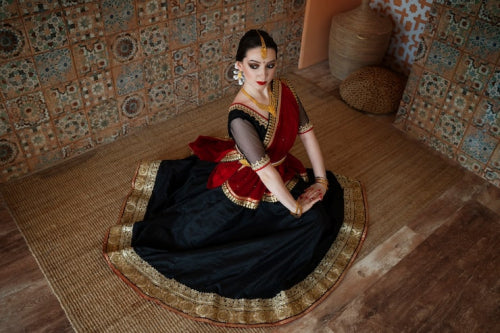
A quiet but powerful movement is gaining traction. Traditional weaving techniques are once again inspiring designers to create garments that feel both rooted in history and fresh for today. This resurgence is not about nostalgia but about practicality offering clothing that is comfortable, meaningful, and built to last in a world that increasingly values authenticity and sustainability.
Fast fashion erodes cultural heritage, sidelining artisans and reducing traditions to trends. At IndieHaat, we champion India's craftspeople with handcrafted sarees, apparel, décor, and skincare rooted in authenticity. Each piece embodies skill and ethical care. Support artisans and preserve India's timeless legacy Shop Now!
The Timeless Roots of Handloom Weaving in India
Handloom weaving has defined Indian textile heritage for centuries, with techniques passed down through generations in regions across the country. These methods involve intricate patterns created by hand, using looms that have remained largely unchanged for decades. The process demands skill and patience, producing fabrics that carry stories of the artisans who create them.
Unlike machine production, handloom weaving allows for variations in thread tension and motif placement that no factory can replicate. This personal touch transforms a simple sari or kurta into a unique expression of culture. Many consumers today appreciate this aspect, seeking pieces that reflect their identity while offering everyday comfort and durability.
How Handloom Techniques Are Redefining Modern Wardrobes
Modern designers are taking traditional Indian handloom weaving and applying it to contemporary cuts and colors. Think breezy cotton kurtas with subtle zari borders or modern fusion wearables that blend block-printed motifs with minimalist silhouettes. These pieces bridge the gap between cultural pride and practical style, making them ideal for daily wear or special occasions.
The versatility of handloom fabrics shines through in lightweight options that breathe well in India's climate, or structured jackets that adapt to changing seasons. Brands and independent makers are experimenting with scale and texture using coarser yarns for statement pieces or finer weaves for everyday essentials. The result is clothing that feels personal and timeless, not fleeting trend.
Handloom Weaving as a Pathway to Sustainable Fashion
Sustainability has become a central priority for fashion consumers and brands alike. Handloom weaving stands out as a low-impact alternative because it uses natural fibres and minimal water compared to conventional methods. Many artisans in rural and semi-urban areas combine traditional techniques with eco-friendly practices, creating collections that align with responsible consumerism.
Consumers are drawn to these options not only for their environmental benefits but also for the transparency they provide. When you buy a handcrafted piece, you support a process that respects both the craftsperson and the planet. This connection to the maker adds emotional value that machine-made alternatives often lack.
Handloom Weaving Modern Clothing: Creative Collaborations at Work
Creative collaborations are helping handloom weaving evolve into modern clothing. Designers work closely with weavers from different regions, incorporating local motifs and colour palettes while adapting forms for today's lifestyles. One approach involves experimenting with scale turning small motifs into larger statement prints on oversized shirts or scarves.
Another direction combines traditional weaves with contemporary fabrics for added comfort. For example, blending silk with cotton creates pieces that feel luxurious yet wearable in daily life. These partnerships highlight how heritage techniques can meet modern needs without losing their essence.
A new generation of designers is breathing fresh life into the historic handwoven silk that once risked extinction from machine-made imports in the early twentieth century. Younger creatives now view the fibre as an ideal natural material for contemporary experimentation, producing vivid, colour-rich garments that range from sporty shorts and crumpled raw silk dresses to airy tunics crocheted from premium mulberry silk spun exclusively from white mulberry leaves. Designers like Teerapat Phuangfueang of Nong Rak and Tammy Amorn of Seire Collective collaborate directly with northeastern Thai weaving communities, creating loose-fitting jackets, lace-hemmed skirts in powdery hues, and patchwork bags made from leftover scraps. Maekhoo prints and embroiders futuristic Hawaiian-style shirts inspired by temple murals on silk, while Rukpong Raimaturapong's sculptural pieces earned a Métiers d'Art accolade from Chanel in 2021.
The approach emphasises comfort, familiarity, and a deep connection to earth and people at a time when many seek slower, more meaningful ways of making. By returning to these traditional textiles, the designers restore value to craftsmanship that supports local economies and preserves intangible cultural heritage. This revival illustrates how ancient hand-weaving methods continue to shape modern fashion through innovative forms and vibrant expressions, offering brands and consumers practical examples of how heritage textiles can drive innovation, sustainability, and emotional resonance in the industry.
Handcrafted Textiles: Elevating Everyday Style
Handcrafted textiles elevate everyday style by adding texture and detail that standard fabrics cannot match. A well-woven dupatta draped over shoulders or a subtly patterned kurti tucked into jeans creates instant interest. The tactile quality whether smooth silk or textured cotton invites touch and personal connection.
In practice, this means mixing handloom pieces with contemporary accessories. Layer a block-printed kurta with gold jewellery or pair wide-leg pants in handwoven fabric with sneakers. The combination offers versatility that supports a wardrobe built around quality over quantity.
Ancient Weaving Influences on Modern Style
Ancient weaving influences remain visible in modern silhouettes. Geometric patterns that once decorated temple walls now appear on contemporary blouses, while organic motifs from nature inspire floral prints on flowy maxi dresses. This continuity shows how timeless designs adapt to current preferences without feeling outdated.
The influence extends to colour palettes as well. Rich earth tones and jewel hues from traditional weaves pair beautifully with neutral bases, creating looks that feel grounded yet vibrant. Designers who draw from these roots often achieve a harmony that feels both cultural and current.
Handcrafted Textiles Modern Fashion India: a Growing Trend
The trend of handcrafted textiles in modern fashion India continues to expand as more people seek unique, meaningful pieces. This shift reflects broader changes in consumer expectations, where value lies in craftsmanship and story rather than just appearance. Brands and makers are responding by offering collections that celebrate India's diverse weaving traditions while staying relevant to today's wardrobes.
Practical benefits include longer wear times and easier care for certain fabrics, making them economical choices over time. The growing interest also supports local economies and preserves skills that might otherwise fade. For individuals building a wardrobe that reflects both heritage and modernity, handcrafted options provide a clear path forward.
Embracing Heritage Techniques for Timeless Fashion
Embracing heritage techniques for timeless fashion means choosing quality over quantity and comfort over fleeting styles. Pieces made with traditional weaving techniques often feature natural fibres that age gracefully and develop character with each wash. This longevity appeals to consumers who value investment over disposable trends.
By integrating these methods into contemporary collections, the fashion industry offers solutions that feel both personal and responsible. The result is clothing that honors the past while shaping the future of style one thoughtful weave at a time.
Traditional weaving techniques continue to shape modern fashion in meaningful ways, proving that heritage can remain vibrant and relevant. For those who appreciate culture woven into everyday wear, the journey toward authentic style is one worth embracing.
Frequently Asked Questions
How do traditional weaving techniques influence modern fashion trends?
Traditional weaving techniques influence modern fashion by bringing heritage patterns, handcrafted textures, and cultural stories into contemporary clothing designs. Designers use handloom fabrics, traditional motifs, and artisanal methods to create modern garments that combine authenticity with everyday style.
Why is handloom weaving considered important for sustainable fashion?
Handloom weaving supports sustainable fashion because it often uses natural fibres, requires less water, and follows low-impact production methods. Choosing handcrafted textiles also helps preserve artisan skills, supports local communities, and encourages consumers to value durable clothing over fast fashion.
How are Indian handloom textiles being adapted for modern wardrobes?
Indian handloom textiles are being adapted through contemporary cuts, colours, and creative collaborations between designers and weavers. Modern fashion brands are incorporating fabrics like cotton and silk into fusion wear, casual outfits, and statement pieces while maintaining the cultural identity of traditional crafts.
Disclaimer: The above helpful resources content contains personal opinions and experiences. The information provided is for general knowledge and does not constitute professional advice.
You may also be interested in: Cultural Significance of Handcrafted Textiles in Modern Fashion
Fast fashion erodes cultural heritage, sidelining artisans and reducing traditions to trends. At IndieHaat, we champion India's craftspeople with handcrafted sarees, apparel, décor, and skincare rooted in authenticity. Each piece embodies skill and ethical care. Support artisans and preserve India's timeless legacy Shop Now!
Powered by flareAI.co