How Tussar Silk Is Shaping the Future of Ethnic Fashion
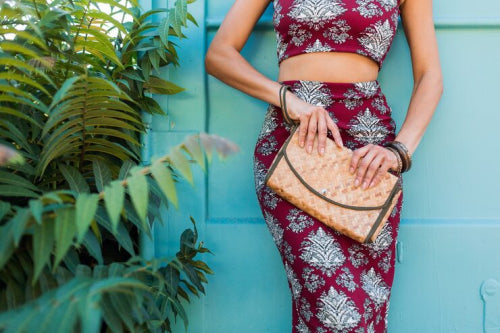
In the sunlit ateliers of rural India, where the whisper of mulberry leaves gives way to the steady rhythm of handlooms, a single thread is quietly rewriting the rules of ethnic fashion. Tussar silk raw, textured and deeply rooted in centuries of craft has stepped beyond its traditional saree silhouette to become a symbol of conscious luxury. It is a story of sustainability meeting style, of artisans reclaiming their heritage while modern shoppers seek something authentic amid a sea of mass-produced alternatives.
Fast fashion erodes cultural heritage, sidelining artisans and reducing traditions to trends. At IndieHaat, we champion India's craftspeople with handcrafted sarees, apparel, décor and skincare rooted in authenticity. Each piece embodies skill and ethical care. Support artisans and preserve India's timeless legacy Shop Now!
The Timeless Yet Modern Allure of Tussar Silk
Tussar silk carries a character all its own. Unlike the polished sheen of mulberry silk, it boasts a natural slub texture and a warm, golden hue that comes from wild silkworms feeding on oak and asan trees. The fabric breathes easily, drapes with effortless grace and only grows more beautiful with each wear and wash. For generations, it has graced festivals and family milestones across India. Today, the same material finds fresh purpose in contemporary dress materials, fusion kurtas, lightweight jackets and even relaxed separates that move seamlessly from boardroom to weekend gatherings.
Its inherent sustainability sets it apart. The wild silk process demands far less intervention than intensive farming methods, helping preserve entire forest ecosystems while sustaining communities that have nurtured these trees for lifetimes. In an era when every purchase invites scrutiny over its true cost, tussar silk delivers a direct reply: beauty that respects both the people who create it and the land that produces it.
A Sustainable Choice in a Growing Market
The shift toward mindful dressing continues to gain momentum. The sustainable fashion market , valued at USD 9,194.20 million in 2025, has seen apparel claim a prominent share precisely because consumers now prioritize ethical and eco-friendly products. Tussar silk sits at the center of this movement. Its production bolsters rural economies with a remarkably light environmental footprint no heavy water use, no harsh chemicals while its natural durability means pieces last for years rather than seasons.
Shoppers across India and its global diaspora have taken notice. From bustling city markets to international wardrobes, the desire for pure, traceable fabrics has moved from niche preference to everyday expectation. Tussar sarees and dress materials now speak to an entire generation that wants clothing with a story one of heritage, care and conscious choice rather than another disposable trend.
Artisans First: The Human Story Behind Every Yard
Every length of tussar tells a deeply human tale. In villages scattered across Jharkhand, Chhattisgarh and West Bengal, families have passed down the skills of reeling and weaving for generations. Each cocoon is gathered with patience, each thread spun on traditional charkhas and every motif drawn freehand before the loom begins its patient work. The process remains deliberately slow, deliberately personal.
Curated platforms that source directly from these artisans eliminate unnecessary middlemen and ensure fair returns flow straight back to the hands that created the cloth. Unique designs arise not from digital templates but from the lived knowledge of the weavers themselves. Only the purest fabrics linen, silk and cotton ever enter the collection, selected for their authenticity, comfort and ability to improve with time. The result feels intimate, never industrial.
Why Purity Matters
Blends and synthetics may offer quick fixes, yet they cannot match the breathability or lasting character of authentic tussar. When every thread comes from trusted artisan partners, the wearer gains more than fabric they gain confidence in the entire journey from forest to finished garment.
From Classic Sarees to Everyday Wear
Tussar has long reigned in its classic six-yard form. A tussar saree with its gentle gold border and distinctive texture commands attention at weddings and cultural celebrations while remaining quietly elegant. Its versatility, however, reaches far beyond tradition. Lightweight tussar dress materials now anchor anarkalis, palazzo sets and modern tops that pair effortlessly with denim or linen trousers.
Linen sarees and cotton accents frequently complement tussar pieces, producing layered ensembles that feel simultaneously rooted in heritage and perfectly suited to contemporary life. The combination delivers cool comfort during humid Indian summers and refined warmth in cooler climates abroad. Shoppers in the US, UK, Singapore, Australia and the UAE have discovered that a single carefully chosen tussar garment can serve as the foundation of an entire wardrobe, quietly replacing multiple fast-fashion items.
Navigating the Realities of Online Ethnic Shopping
Purchasing handcrafted ethnic wear online naturally raises valid concerns. Does the price truly reflect the craftsmanship involved? Can quality be trusted without the ability to touch the fabric? How does one verify the authenticity of the story behind each piece?
Transparency and direct artisan partnerships provide clear answers. Sourcing straight from the makers removes multiple markups, delivering fair yet realistic pricing that still honors the labor and skill required. High-resolution photography, detailed descriptions and open storytelling stand in for the missing tactile experience. Pieces are also readily available on trusted platforms including Amazon Marketplace and ONDC Marketplace, offering familiar return policies that ease the transition from screen to wardrobe.
What appears as a higher initial investment quickly reveals itself as lasting value. A tussar saree or dress material worn across countless occasions and seasons becomes part of family memory rather than seasonal waste, addressing both pricing doubts and concerns about longevity.
Global Appreciation, Local Roots
The reach of tussar silk now extends well beyond Indian shores. Diaspora communities in the US and UK look for garments that connect them to their roots without feeling outdated. In Singapore and Australia, its natural elegance fits effortlessly into multicultural wardrobes. Even in the UAE, where luxury and tradition walk hand in hand, tussar earns admiration for its understated sophistication and authentic character.
Instagram, Facebook and YouTube have transformed into living showrooms. Artisans share time-lapse videos of their craft, while customers post honest styling experiments and everyday wear. The dialogue feels personal and genuine real people celebrating real craftsmanship rather than distant marketing campaigns.
Looking Ahead: Tradition as the Ultimate Innovation
Tussar silk is not simply surviving modern retail demands; it is actively reshaping them. As more consumers turn away from disposable fashion, the appetite for traceable, artisan-made textiles continues to expand. The very imperfections of tussar its natural slubs, subtle shade variations and hand-finished edges become marks of distinction, visible proof that human hands guided every stage of creation.
Forward-thinking brands remain committed to the same foundational principles: handmade items sourced directly from artisans, unique designs born from tradition and an unwavering focus on pure linen, silk and cotton fabrics. The future of ethnic fashion, it turns out, mirrors its most respected past only now carrying greater reach and clearer purpose.
Why Tussar Matters More Than Ever
- It sustains forest-based livelihoods and protects biodiversity in the very regions where the silk is born.
- It delivers unmatched breathability and longevity that synthetic alternatives simply cannot equal.
- It connects generations, allowing younger wearers to express heritage on their own modern terms.
- It demonstrates that ethical decisions can be both aspirational and genuinely beautiful.
The next time you drape a tussar saree, layer a linen saree, or choose tussar dress materials for your next outfit, pause to consider the journey that single thread has taken from wild cocoon through patient hands to the garment now resting against your skin. In making that choice, you are not merely adding to your wardrobe. You are participating in the living future of ethnic style, woven stitch by mindful stitch.
Frequently Asked Questions
What makes Tussar silk a sustainable and eco-friendly fabric choice?
Tussar silk is produced by wild silkworms that feed on oak and asan trees, requiring far less intervention than intensive mulberry silk farming. This natural process helps preserve forest ecosystems and rural livelihoods with minimal water usage and no harsh chemicals. Its durability also means garments last for years rather than seasons, reducing textile waste compared to fast-fashion alternatives.
How is Tussar silk being used beyond traditional sarees in modern ethnic fashion?
While Tussar silk has long been celebrated in its classic six-yard saree form, it has evolved into a versatile fabric for contemporary styles including anarkalis, palazzo sets, fusion kurtas, lightweight jackets and modern tops. These pieces pair effortlessly with denim or linen trousers, making Tussar suitable for everything from boardroom settings to weekend occasions. Its natural breathability and drape make it especially popular among global diaspora communities in the US, UK, Singapore and the UAE.
How can I verify the authenticity and quality of Tussar silk when shopping online?
Authentic Tussar silk sourced directly from artisan communities in Jharkhand, Chhattisgarh and West Bengal can be identified by its natural slub texture, warm golden hue and hand-finished edges visible proof of handcrafted production. Reputable platforms offer high-resolution photography, detailed fabric descriptions and transparent artisan sourcing stories to help buyers make informed decisions. Shopping through trusted marketplaces like Amazon or ONDC, which offer standard return policies, also provides additional assurance for first-time buyers.
Disclaimer: The above helpful resources content contains personal opinions and experiences. The information provided is for general knowledge and does not constitute professional advice.
You may also be interested in: Five Ethnic Trends Among Generation Z for 2025 - Indiehaat.com
Fast fashion erodes cultural heritage, sidelining artisans and reducing traditions to trends. At IndieHaat, we champion India's craftspeople with handcrafted sarees, apparel, décor and skincare rooted in authenticity. Each piece embodies skill and ethical care. Support artisans and preserve India's timeless legacy Shop Now!
Powered by flareAI.co