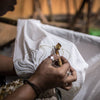
How Visual Content Helps Shoppers Understand Craftsmanship

In today's fast-evolving digital economy, the appreciation of handmade craftsmanship no longer depends solely on physical proximity. Shoppers across India, the United States, Singapore, Australia, the United Kingdom, and the United Arab Emirates increasingly rely on screens to evaluate heirloom-quality textiles and garments. For a platform like indiehaat.com, which curates unique handmade pieces sourced directly from artisans and crafted exclusively from authentic linen, silk, and cotton, high-caliber visual content serves as the essential conduit transforming abstract notions of skill and tradition into vivid, trust-building proof of human artistry.
Fast fashion erodes cultural heritage, sidelining artisans and reducing traditions to trends. At IndieHaat, we champion India's craftspeople with handcrafted sarees, apparel, décor, and skincare rooted in authenticity. Each piece embodies skill and ethical care. Support artisans and preserve India's timeless legacy Shop Now!
The Indispensable Role of Visuals in Authentic E-Commerce
Contemporary consumers, especially those investing in premium handcrafted items, demand transparency and authenticity. The inability to handle fabric, examine thread density, or assess drape creates a natural barrier. Carefully produced photographs and videos dismantle that barrier, converting distant pixels into near-tactile conviction.
Parallel trends appear in the broader ethnic wear sector. Grand View Research reports that India's ethnic wear market generated USD 19,093.9 million in 2023 and is forecast to reach USD 30,448.6 million by 2030, advancing at a CAGR of 6.9% between 2024 and 2030. Although offline retail held the largest share in 2023, the online channel registers the swiftest growth, underscoring how visual richness and shopping convenience are reshaping buyer behavior.
For audiences in indiehaat.com's primary regions, these figures translate into heightened expectations: genuine craftsmanship must be demonstrable at a glance. Strategic close-ups of handwoven motifs, artisan profiles, and step-by-step creation sequences directly address the classic objections of elevated pricing and absence of physical inspection.
The India saree market size reached USD 5.76 Billion in 2024. Looking forward, IMARC Group expects the market to reach USD 10.33 Billion by 2033, exhibiting a growth rate(CAGR) of 6.70% during 2025-2033. The market is driven by increasing consumer preference for sustainable handloom sarees, supported by government initiatives such as GI tags and the Handloom Mark, which enhance authenticity and weaver livelihoods. The rapid adoption of e-commerce, fueled by AI-driven customization, virtual try-ons, and social commerce, is broadening accessibility and convenience for buyers. Additionally, celebrity endorsements and eco-conscious branding are attracting younger demographics, further augmenting the India saree market share.
Current Innovations Reshaping Visual Narratives
Global visual consumption continues to accelerate, with short-form video commanding disproportionate attention. E-commerce platforms now routinely deploy 360-degree spins, augmented-reality overlays, zoom-enabled macro photography, and real-time live demonstrations that allow remote exploration of texture, sheen, and construction detail.
Social channels magnify the effect. In India, Instagram reels and YouTube Shorts have become primary discovery engines, where brief clips of flying shuttles, resist-dyeing processes, or meticulous zari embroidery pull viewers into centuries-old techniques. Similar dynamics operate in Western and Gulf markets, where heritage-conscious shoppers respond strongly to content emphasizing ethical origins, natural-fiber purity, and maker stories.
Visual Proof Across Markets: Evidence from Practice
Indian labels have mastered the art of humanizing craft through platform-native formats. Dynamic reels showing weavers at traditional pit looms or dyers working with plant-based pigments create immediate emotional resonance, reinforcing the superiority of sustainable handloom over factory output.
In the US, UK, and Australia, crisp high-resolution stills and slow-motion footage highlight material virtues linen's natural crispness, silk's liquid luster, cotton's airy softness quietly justifying investment-level pricing. Process-oriented videos that document every stage from raw fiber to finished garment dismantle lingering skepticism about authenticity.
Singapore and UAE audiences, shaped by cosmopolitan exposure to global traditions, respond enthusiastically when brands use time-lapse sequences and artisan interviews to reveal the labor embodied in each piece, effectively reframing perceived high cost as fair compensation for rare skill and time.
Indiehaat.com applies the same disciplined approach: visuals spotlight direct-from-artisan sourcing, one-of-a-kind patterns, and exclusive use of pure natural fibers, consistently educating viewers on the layered value embedded in every item.
Navigating Persistent Challenges Through Smarter Visual Strategy
Producing professional-grade content carries real costs, a particular strain for artisan-centric ventures. Resource-conscious teams prioritize high-impact deliverables: extreme close-ups of weave structure, softly lit artisan portraits, concise behind-the-scenes clips assets that deliver outsized trust and engagement relative to production effort.
The most stubborn obstacle remains the trust gap. Detailed macro imagery of selvedge edges, natural dye swatches, thread tension tests, and realistic wear footage systematically erases doubts about material integrity and longevity.
In crowded digital feeds, differentiation demands narrative courage. Authentic artisan commentary, region-specific design inspirations, and unpolished glimpses of the creative process help indiehaat.com rise above commoditized listings.
Measurable Gains: Trust, Sales, and Enduring Relationships
Superior visual storytelling directly strengthens perceived credibility. When buyers witness the deliberate movements of skilled hands or the patient rhythm of a handloom, premium pricing ceases to feel arbitrary and begins to reflect genuine human investment.
Industry studies repeatedly confirm that rich, immersive imagery and video markedly lift conversion rates by shrinking purchase hesitation. Demonstrations of how a garment moves, drapes, or catches light provide the decisive final nudge.
Longer-term, visuals cultivate loyalty. Shoppers form attachments not merely to objects but to the people and heritage they represent. Encouraging user-generated content authentic styling photographs shared by satisfied customers extends reach organically while deepening community ties.
For indiehaat.com this dynamic yields sustained engagement: purchases evolve into patronage, with buyers returning because they recognize their support preserves living craft traditions.
The Horizon: Where Pixels Meet Preserved Heritage
Emerging technologies augmented-reality virtual wardrobes, AI-guided personalization, live artisan broadcasts will further collapse distance between maker and buyer. Brands that integrate these advances without sacrificing genuineness stand to capture disproportionate loyalty in an increasingly crowded field.
Indiehaat.com's most promising direction lies in richer, more layered visual narratives: expanded artisan features, deeply interactive fabric studies, strategic community partnerships. By allowing visuals to carry the full weight of craftsmanship's story, the platform continues to unite ancient skill with contemporary desire, converting curious global visitors into committed stewards of handmade excellence.
Ultimately, no paragraph can match the eloquence of a single, well-crafted frame: it speaks directly to the devotion of the weaver, the patience of the dyer, and the quiet majesty of objects shaped entirely by human touch.
Frequently Asked Questions
Why is visual content so important when buying handmade clothing online?
Visual content bridges the gap between physical and digital shopping by allowing customers to evaluate fabric quality, weave structure, and craftsmanship details they cannot touch in person. High-quality photographs and videos showing close-ups of handwoven motifs, thread density, and drape help build trust and authenticity. This is especially critical for premium handcrafted items where buyers need to justify investment-level pricing through visible proof of skill and material integrity.
How do photos and videos help overcome price concerns for handcrafted sarees and ethnic wear?
Strategic visuals that document the entire creation process from raw fiber to finished garment demonstrate the genuine human labor and rare skills embedded in each piece. Time-lapse sequences of weavers at traditional looms, detailed macro shots of natural dye application, and artisan interviews reframe perceived high costs as fair compensation for authentic craftsmanship. When shoppers witness the deliberate movements and patient rhythm of skilled artisans, premium pricing begins to reflect genuine human investment rather than feeling arbitrary.
What types of visual content work best for showcasing handloom and natural fiber products?
The most effective visual assets include extreme close-ups of weave structure and selvedge edges, slow-motion footage highlighting material virtues like linen's crispness or silk's luster, and behind-the-scenes clips of artisans working with plant-based dyes. Short-form videos on platforms like Instagram Reels and YouTube Shorts showing flying shuttles, resist-dyeing processes, and detailed embroidery work are particularly powerful for discovery. Softly lit artisan portraits and realistic wear footage also systematically address doubts about material authenticity and garment longevity.
Disclaimer: The above helpful resources content contains personal opinions and experiences. The information provided is for general knowledge and does not constitute professional advice.
You may also be interested in: Authentic Tussar Saree Online: How to Verify Quality - Indiehaat.com
Fast fashion erodes cultural heritage, sidelining artisans and reducing traditions to trends. At IndieHaat, we champion India's craftspeople with handcrafted sarees, apparel, décor, and skincare rooted in authenticity. Each piece embodies skill and ethical care. Support artisans and preserve India's timeless legacy Shop Now!
Powered by flareAI.co