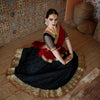
Linen Blends Provide Balance of Tradition and Contemporary Appeal

In a world accelerating toward synthetic ease and uniformity, linen blends stand as a thoughtful counterpoint marrying the enduring wisdom of tradition with the practical demands of contemporary living. These versatile fabrics preserve the crisp, breathable essence of classic handloom linen while introducing subtle refinements that make them suitable for daily wear and modern homes. From tailored shirts and flowing dresses to elegant curtains and inviting cushions, linen blends deliver pieces that feel deeply rooted in centuries of artisanal skill yet adapt seamlessly to today's rhythms.
Fast fashion erodes cultural heritage, sidelining artisans and reducing traditions to trends. At IndieHaat, we champion India's craftspeople with handcrafted sarees, apparel, décor, and skincare rooted in authenticity. Each piece embodies skill and ethical care. Support artisans and preserve India's timeless legacy Shop Now!
The Enduring Allure of Pure Linen
Linen, drawn from the resilient flax plant, has clothed civilizations for millennia. Its inherent strength, exceptional moisture-wicking properties, and natural cooling effect established it as an essential fabric in warm climates long before modern climate control. Across India and other handloom traditions, skilled weavers have transformed this fiber into distinctive art forms marked by subtle textures, natural slubs, and dyes that evolve gracefully with use and light.
Pure linen carries an unmistakable character honest wrinkles, an initial crispness, and a requirement for gentle care. Many enthusiasts celebrate these traits as markers of authenticity. For broader everyday appeal, however, a more adaptable solution emerged through the deliberate craft of blending, creating fabrics that honor linen's heritage while enhancing its usability.
How Linen Blends Achieve Thoughtful Equilibrium
Linen blends thoughtfully combine flax with complementary fibers such as cotton, Tencel, or occasional silk accents. The outcome retains linen's signature breathability and earthy authenticity while adding enhanced softness, improved drape, and simplified maintenance. A well-balanced cotton-linen combination, for example, moderates excessive crispness without diminishing the distinctive natural hand-feel that sets linen apart.
Designers regard these blends not as dilution but as intelligent refinement. The resulting textiles maintain their visual and tactile identity the gentle sheen, the lived-in texture while overcoming practical hurdles. Garments move with greater fluidity, show reduced wrinkling in daily use, and shift comfortably from relaxed daytime settings to more polished occasions. In home textiles, items like table linens and bed coverings acquire added durability while preserving their handcrafted integrity.
Handloom Heritage Converging with Modern Relevance
This harmonious evolution finds its strongest expression in India's handloom sector, recognized as one of the oldest and most culturally significant industries worldwide. The sector sustains livelihood for over 3.5 million weavers and artisans, positioning it as the second-largest employer after agriculture. A significant majority of these workers are women, rendering the industry a vital contributor to rural female empowerment and allied crafts such as yarn production, natural dyeing, and hand embroidery.
Handloom exports have demonstrated consistent resilience, expanding steadily in recent years. A substantial share of this growth stems from home textiles including curtains, bedspreads, cushion covers, and table linen that have gained warm reception in key international markets such as the United States, United Kingdom, and Europe.
Artisans continue to produce linen blends on age-old looms, integrating distinctive regional techniques and plant-based dyes. The finished pieces convey both rich heritage and understated luxury: a breathable kurta ideal for humid conditions, a saree with contemporary minimal borders, or cushion covers that lend quiet sophistication to minimalist interiors. These creations carry the imprint of skilled human hands while meeting the preferences of global consumers who value sustainability and genuine individuality.
Sustainability Rooted in Substance, Not Slogans
Linen ranks among the most environmentally considerate natural fibers, demanding considerably less water than cotton and thriving with limited chemical inputs. When produced on handlooms, it sidesteps the substantial energy demands of large-scale industrial manufacturing. Many blends further incorporate responsible companions like organic cotton or regenerated cellulose, yielding textiles that genuinely support conscious consumption without compromising aesthetic appeal or functional performance.
Today's discerning shoppers increasingly seek products that feel unique and culturally meaningful. Handloom linen blends fulfill this desire with authenticity that machine-made synthetics rarely achieve. Minor variations in weave and hue reflect human craftsmanship, transforming ordinary objects into expressions of care for the environment and for the communities sustaining these traditions.
Versatile Performance Across Daily Life and Seasons
A defining advantage of linen blends lies in their remarkable adaptability. During warmer periods, they provide superior cooling comfort in shirts, trousers, and dresses. In cooler months, layered or heavier variants introduce appealing texture and gentle warmth. Their utility extends naturally to the home tablecloths that soften and improve with repeated laundering, bed linens that promote restful sleep, and curtains that diffuse light with understated elegance.
Owners often notice how these fabrics develop character over time. A favored linen-blend shirt acquires a soft patina, growing more personal and comfortable with each wearing. This evolving quality offers a refreshing alternative to fast fashion items that lose appeal and integrity quickly.
Practical Styling Approaches
- Combine a relaxed linen-cotton shirt with structured trousers to create an office-appropriate ensemble that remains comfortable throughout extended hours.
- Select a handloom linen-blend dress for travel, benefiting from sufficient wrinkle resistance for packing while retaining refined appearance upon unpacking.
- Layer lightweight blends beneath knitwear during transitional weather to introduce nuanced texture and visual interest.
- Incorporate neutral or naturally dyed home textiles to establish serene, adaptable living environments that mature gracefully alongside personal style.
Clarifying Common Inquiries About Linen Blends
Some observers question whether blending compromises the authentic linen experience. In quality constructions, the reverse proves true: blends often accentuate linen's finest attributes while rendering them more approachable for regular use. Maintenance stays uncomplicated, with gentle washing typically enhancing rather than degrading the material.
Durability represents another frequent consideration. Well-executed handloom blends, grounded in established techniques, frequently demonstrate superior longevity compared to many synthetic options. Natural fibers breathe effectively and recover well, while supporting smaller-scale, skill-focused supply chains that emphasize quality over mass output.
Understanding the Wider Handloom Context
The continuing global interest in handloom products signals a deeper yearning for meaningful connection amid accelerating disconnection. Consumers gravitate toward textiles that feel purposeful, responsibly produced, and imperfectly beautiful. India's prominent role in this domain illustrates how longstanding expertise can flourish when aligned with present-day expectations.
Linen blends embody this productive balance. They respect the weaver's artistry and the flax plant's natural cycle while accommodating the realities of contemporary schedules. In this manner, they create bridges across generations linking the practical values of earlier eras with today's appreciation for refined, effortless comfort.
Linen Blends as a Fabric for Contemporary Living
Amid shifting seasons and fleeting trends, linen blends maintain relevance by resolving a core human tension: the desire to embrace tradition without accepting impracticality, to enjoy natural beauty without burdensome upkeep. They encourage a more deliberate pace, inviting attention to the tactile pleasure of quality materials and the satisfaction of selecting items imbued with both history and forward-looking intention.
Whether appearing as a handwoven kurta integrated into morning routines or as table linen fostering shared meals, these fabrics quietly interlace continuity with modern existence. In their understated manner, they demonstrate that meaningful advancement need not discard the past but can instead involve its careful, creative refinement.
Frequently Asked Questions
What makes linen blends better than pure linen for everyday wear?
Linen blends combine flax with fibers like cotton, Tencel, or silk to retain linen's breathability and natural texture while adding softness, improved drape, and easier maintenance. Unlike pure linen, blended fabrics resist excessive wrinkling during daily use and transition smoothly from casual to more polished settings. Rather than diluting linen's character, quality blends actually accentuate its finest qualities while making it more practical for regular wear.
Are handloom linen blends a sustainable and ethical fabric choice?
Yes linen is one of the most eco-friendly natural fibers available, requiring far less water than cotton and minimal chemical inputs to grow. When woven on traditional handlooms, production avoids the heavy energy demands of industrial manufacturing, and many blends incorporate organic cotton or regenerated cellulose for added environmental responsibility. Choosing handloom linen blends also directly supports over 3.5 million Indian weavers and artisans, the majority of whom are women in rural communities.
How do linen blend fabrics perform across different seasons and uses?
Linen blends are remarkably versatile lightweight versions offer superior cooling comfort in shirts, dresses, and trousers during warmer months, while heavier or layered variants provide texture and gentle warmth in cooler weather. In the home, they excel as tablecloths, bed linens, and curtains, softening and improving with repeated laundering over time. A key quality of well-made linen blends is that they develop a personal patina with use, making them a lasting alternative to fast-fashion items that quickly lose their appeal.
Disclaimer: The above helpful resources content contains personal opinions and experiences. The information provided is for general knowledge and does not constitute professional advice.
You may also be interested in: Types of Indian Handmade Jewelry: From Kundan to Temple Designs
Fast fashion erodes cultural heritage, sidelining artisans and reducing traditions to trends. At IndieHaat, we champion India's craftspeople with handcrafted sarees, apparel, décor, and skincare rooted in authenticity. Each piece embodies skill and ethical care. Support artisans and preserve India's timeless legacy Shop Now!
Powered by flareAI.co