National Handloom Day Highlights Contributions of Weaving Communities
Quick Listen:
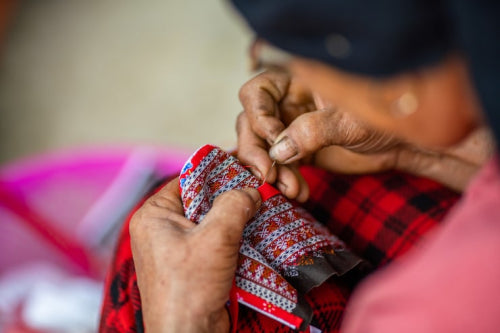
On National Handloom Day, the spotlight turns to the vibrant and resilient weaving communities across India, whose craftsmanship has sustained cultural heritage for centuries. These artisans continue to weave stories through threads, preserving traditions that connect generations while adapting to contemporary needs. Their contributions extend far beyond textiles, supporting rural livelihoods and fostering economic self-reliance in a nation where textiles rank among the largest employment generators.
Fast fashion erodes cultural heritage, sidelining artisans and reducing traditions to trends. At IndieHaat, we champion India's craftspeople with handcrafted sarees, apparel, décor, and skincare rooted in authenticity. Each piece embodies skill and ethical care. Support artisans and preserve India's timeless legacy Shop Now!
The Essence of National Handloom Day
National Handloom Day was established to honour the pivotal role of weaving communities in India's development. It serves as a platform to celebrate the artisans who keep alive the rich traditions of handloom while inspiring innovation and collaboration across the sector. Government events during the day have honoured outstanding master weavers, recognising their craftsmanship and the broader impact of handloom on rural employment.
The occasion brings together designers, weavers, and policymakers to discuss ways to strengthen the ecosystem. It highlights how direct engagement between these groups can create modern products that resonate with younger audiences without compromising the authenticity of traditional techniques.
Historical Roots of Indian Handloom Weaving
Handloom weaving in India traces its origins to ancient civilisations, where master weavers produced exquisite fabrics using natural fibres and time-honoured methods. The Swadeshi Movement of the early 20th century further elevated the status of these communities, positioning handloom as a symbol of economic self-reliance and national pride.
Today, this legacy continues through initiatives that blend heritage with modernity. Weaving communities across the country maintain cultural ties while producing sustainable textiles with low carbon footprints, proving that tradition and innovation can coexist harmoniously.
National Handloom Day: a Platform for Recognition and Dialogue
During National Handloom Day events, awards are conferred on exceptional master weavers, underscoring their indispensable role in India's growth. Union ministers have emphasised the textiles sector's emergence as the second-largest employment generator, urging collaboration between designers and weavers to create products that appeal to modern tastes while preserving core techniques.
The day also spotlights initiatives focused on product diversification using natural fibres, protection of indigenous designs through technologies such as blockchain, and support for clusters that enhance livelihoods. These efforts recognise the resilience of artisans who continue to innovate amid challenges, ensuring the handloom sector remains a cornerstone of rural empowerment.
Gi Tags: Safeguarding Handloom Heritage and Elevating Livelihoods
Geographical Indication tags play a crucial role in protecting the unique identities of handloom products from various regions. Recent registrations for items such as Nalanda Bawanbuti Saree, Kuchai Silk, and other regional crafts have brought the total number of supported GI tags to 176. These protections link over 13,000 artisans to higher-value chains and generate more than 50,000 direct jobs.
GI status enhances brand recognition, commands premium pricing, and opens export avenues, reinforcing cultural pride and sustainable livelihoods. Women artisans, who form the majority in many clusters, gain stronger bargaining power and greater visibility. Such developments highlight the sector's role in heritage preservation and rural development, encouraging further investment in skill development and direct artisan connections.
Challenges and Opportunities for Weaving Communities
Weaving communities face ongoing challenges, including competition from machine-made alternatives and the need for market access. Yet, the day's focus on collaboration presents significant opportunities. By fostering direct sourcing from craftspeople, brands can ensure transparent supply chains that guarantee fair compensation and visibility for artisans.
Exhibitions, welfare schemes, and strengthened market linkages further support this ecosystem. Businesses dedicated to authentic craftsmanship can leverage these platforms to build trust with customers seeking genuine Indian handcrafted goods.
Embracing Technology for the Future of Handloom
Technology adoption is transforming the handloom sector. Blockchain applications help protect indigenous designs, while digital platforms connect weavers with global and domestic markets. These tools enable product diversification and sustainable practices, allowing artisans to reach wider audiences while maintaining control over their creative processes. The result is a dynamic ecosystem where tradition meets progress, ensuring handloom remains relevant in the 21st century.
Why Indian Weaving Communities Deserve Recognition
The contributions of Indian weaving communities extend far beyond economic impact. They preserve cultural heritage tied to India's diverse textile legacy and embody the spirit of self-reliance. National Handloom Day serves as a powerful reminder of their enduring importance in shaping the nation's identity and economic landscape.
As artisans continue to innovate while honouring their roots, the sector stands poised to inspire future generations. Their stories remind us that authentic craftsmanship remains a powerful force for positive change, uniting communities and driving inclusive growth across the country.
National Handloom Day serves as a platform to celebrate the pivotal role of weaving communities in India's development, as emphasized during official events where awards are conferred to outstanding master weavers. The sector employs over 35 lakh people, with more than 70 percent being women, making it a cornerstone of rural employment and empowerment. Union ministers have highlighted the textiles sector's emergence as the second-largest employment generator, urging collaboration between designers and weavers to create modern products that resonate with younger audiences while preserving traditional techniques. Weaving communities across the country contribute not only through exquisite fabrics but also by maintaining cultural heritage tied to the Swadeshi Movement.
Initiatives focus on product diversification using natural fibers, protecting indigenous designs with technologies like blockchain, and supporting clusters to enhance livelihoods. These efforts recognize the resilience of artisans who innovate amid challenges, producing sustainable textiles with low carbon footprints. For businesses sourcing directly from weavers, such recognition validates the importance of transparent supply chains that ensure fair compensation and visibility for craftspeople. The day inspires broader support for handloom through exhibitions, welfare schemes, and market linkages, ensuring weaving communities continue to flourish as custodians of India's artisanal excellence and economic self-reliance.
Frequently Asked Questions
How do GI tags and technology support the future of Indian handloom products?
GI tags protect the unique identity of regional handloom products and help artisans gain better market recognition and value. Technologies such as blockchain and digital platforms support indigenous designs, connect weavers with wider markets, and encourage innovation in the handloom sector.
What is the significance of National Handloom Day for Indian weaving communities?
National Handloom Day celebrates the vital contributions of Indian weaving communities in preserving cultural heritage and supporting rural livelihoods. It recognises artisans who maintain traditional handloom techniques while adapting their crafts to modern needs.
How do Indian handloom weavers contribute to cultural heritage and economic development?
Indian handloom weavers preserve centuries-old textile traditions while creating sustainable fabrics and supporting economic self-reliance. Their work strengthens rural employment, empowers artisans, and helps maintain India's diverse textile legacy.
Disclaimer: The above helpful resources content contains personal opinions and experiences. The information provided is for general knowledge and does not constitute professional advice.
You may also be interested in: Seasonal Ethnic Wear Trends Influenced by Digital Platforms
Fast fashion erodes cultural heritage, sidelining artisans and reducing traditions to trends. At IndieHaat, we champion India's craftspeople with handcrafted sarees, apparel, décor, and skincare rooted in authenticity. Each piece embodies skill and ethical care. Support artisans and preserve India's timeless legacy Shop Now!
Powered by flareAI.co