
Preserving Ancient Craft Techniques Through Generational Knowledge Transfer
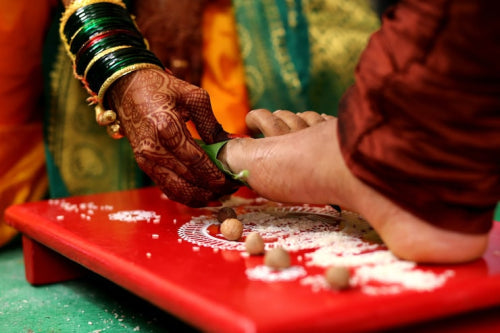
Ancient craft traditions have always been more than methods of making objects. They represent living systems of knowledge, where skills, values, and cultural memory are passed directly from one generation to the next. In a world increasingly shaped by industrial production and digital acceleration, these traditions continue to survive because artisans, families, and communities actively preserve them through hands-on teaching and lived experience. The process is not simply about replication of technique but about sustaining meaning, identity, and cultural continuity through time.
For ethically minded consumers, designers, and heritage enthusiasts, understanding how these skills endure offers a deeper appreciation of handcrafted goods. It also reveals why generational knowledge transfer remains the backbone of traditional craftsmanship and why it is critical for preserving cultural diversity in an increasingly standardized global marketplace.
Fast fashion erodes cultural heritage, sidelining artisans and reducing traditions to trends. At IndieHaat, we champion India's craftspeople with handcrafted sarees, apparel, décor, and skincare rooted in authenticity. Each piece embodies skill and ethical care. Support artisans and preserve India's timeless legacy Shop Now!
Living Systems of Craft Knowledge and Cultural Memory
Traditional craftsmanship operates as a living cultural system rather than a fixed archive of techniques. Knowledge is rarely captured in manuals or formal documentation. Instead, it is transmitted through observation, repetition, correction, and long-term apprenticeship under experienced artisans.
This form of learning ensures that craft techniques such as weaving, pottery, carving, and metalwork remain closely tied to their cultural and symbolic contexts. According to UNESCO's craftsmanship framework, these practices are essential expressions of intangible cultural heritage, sustained primarily through direct practice and intergenerational learning rather than institutional instruction.
UNESCO's perspective on traditional craftsmanship further emphasizes that these living heritage systems depend on continuous, hands-on transmission within families and communities. It highlights how artisans learn through observation, imitation, and gradual mastery under experienced practitioners, ensuring that both technical skill and cultural meaning are preserved together. The framework also underscores that such crafts are not only artistic expressions but also vital sources of livelihood and identity. However, it warns that modernization, urban migration, and declining interest among younger generations threaten these systems, making active support for apprenticeships, community engagement, and cultural education essential.
What makes this transmission powerful is not just technical mastery but the embedded cultural meaning. A woven textile, for instance, is not only a product of skill but also a reflection of regional identity, seasonal rhythms, and community aesthetics. Each generation inherits not just how to make something, but why it is made in a particular way.
Apprenticeship Systems and Immersive Learning Traditions
At the heart of generational knowledge transfer crafts lies the apprenticeship system, where learners spend years under the guidance of master artisans. This process is deeply immersive and often begins within families or tightly knit communities where craft is part of daily life rather than a separate profession.
Unlike formal education systems that prioritize speed and standardization, artisan apprenticeship systems emphasize patience, repetition, and sensory learning. Apprentices learn to recognize material quality by touch, understand dye behavior through observation, and internalize rhythm through continuous practice.
Immersive learning models such as those highlighted in endangered craft traditions and apprenticeships show how deeply knowledge is embedded in lived experience. Techniques such as natural dyeing, hand block printing, and ceramic shaping are passed on not just as mechanical steps but as holistic processes that include philosophy, environmental awareness, and cultural storytelling.
Many endangered craft traditions around the world are now at risk as master artisans age and fewer younger practitioners commit to long-term training. These practices depend on immersive, intergenerational learning where apprentices absorb not only techniques but also the cultural philosophy, material knowledge, and ecological awareness embedded in the craft. Case studies of ancient crafts such as natural dyeing, ceramics, and textile printing show that survival often depends on sustained mentorship and family-based transmission systems. Reviving these traditions requires more than documentation it demands active participation in workshops, apprenticeships, and community-based learning environments that allow knowledge to remain dynamic and embodied.
This form of education also builds emotional continuity. Apprentices do not simply acquire a skill; they inherit a way of seeing the world through the lens of craft. This emotional connection often determines whether traditions survive beyond a single generation.
Craft as Cultural Identity and Heritage Continuity
Handmade craft traditions function as cultural markers that define community identity across regions and generations. Traditional weaving and embroidery techniques, for example, often carry motifs, colors, and patterns that represent local histories, beliefs, and social structures.
In many communities, craft is inseparable from identity. It is present in rituals, festivals, and everyday life, reinforcing a sense of belonging and continuity. When these practices are preserved, they serve as a living archive of cultural expression that evolves without losing its core essence.
This continuity is especially important in a globalized environment where mass-produced goods often blur cultural distinctions. Handmade craft cultural heritage offers an alternative narrative one that values uniqueness, time-intensive creation, and human touch over uniformity.
For younger generations, engaging with these traditions can also become a form of cultural rediscovery. As interest grows in authenticity and origin stories, traditional handicrafts are increasingly seen not just as decorative objects but as carriers of meaning and history.
Challenges Facing Generational Craft Transmission
Despite their cultural importance, many indigenous craft traditions face significant challenges. One of the most pressing issues is the declining number of young apprentices willing to dedicate years to mastering complex techniques. Modern economic structures often favor faster career paths with immediate financial returns, making long-term craft learning less appealing.
Urbanization has also disrupted traditional learning ecosystems. As families migrate to cities, the continuity of workshop-based knowledge transfer weakens. Craft communities that once operated as close-knit ecosystems are increasingly fragmented, making sustained mentorship more difficult.
In addition, industrial manufacturing and digital production systems have introduced alternatives that are faster and more scalable. While these systems increase accessibility, they often lack the depth, individuality, and cultural resonance of handcrafted goods. This creates a tension between efficiency and authenticity that continues to shape the future of traditional weaving and embroidery techniques.
However, these challenges are also prompting renewed interest in preservation. Cultural institutions, independent studios, and ethical marketplaces are exploring ways to reintroduce apprenticeship models and support long-term craft learning.
Modern Platforms Bridging Artisans and Global Audiences
Digital platforms and curated marketplaces are playing an increasingly important role in connecting artisans with conscious consumers. By reducing layers in traditional supply chains, these platforms help preserve the economic viability of handmade work while maintaining transparency about origin and process.
Platforms like IndieHaat operate within this evolving ecosystem by focusing on direct connections between craftspeople and buyers who value authenticity. Rather than treating craft as a mass commodity, these models emphasize storytelling, provenance, and the human effort behind each product.
This shift also supports broader awareness of indigenous craft traditions India and encourages appreciation for regional diversity in design and technique. When consumers understand the story behind an object, it transforms the purchase into a form of cultural participation rather than simple consumption.
At the same time, these platforms must navigate the delicate balance between visibility and preservation. Over-commercialization risks diluting the very traditions they aim to protect, making ethical curation and respectful representation essential.
Sustainability and the Future of Traditional Craft Practices
Sustainability in craft is not limited to environmental considerations but extends to cultural and social resilience. Many heritage craft sustainability practices are inherently aligned with ecological balance, using natural materials, low-impact processes, and locally sourced resources.
Generational knowledge transfer ensures that these sustainable methods are not lost. When apprentices learn directly from masters, they inherit not only techniques but also an understanding of responsible material use and respect for natural cycles.
As global interest grows in slow fashion, ethical consumption, and handmade production, traditional crafts are finding renewed relevance. However, their survival depends on whether younger generations can see viable livelihoods in these practices. Supporting artisan apprenticeship systems through education, fair compensation, and market access remains critical.
There is also growing recognition that preserving craft is not about freezing it in time. Instead, it is about allowing traditions to evolve while staying rooted in their original knowledge systems. This dynamic balance between continuity and innovation is what keeps craftsmanship alive.
Craft as a Living Bridge Between Generations
The preservation of ancient craft techniques depends fundamentally on generational knowledge transfer. It is through human connection between master and apprentice, parent and child, community and learner that these traditions continue to thrive. Each handcrafted object becomes a record of this relationship, carrying forward not just skill but memory, identity, and cultural meaning.
As interest in handmade craft cultural heritage continues to grow, the responsibility of supporting these systems becomes shared among artisans, platforms, and consumers. By valuing time-intensive creation and respecting the depth of traditional knowledge, it becomes possible to ensure that these living traditions remain part of the future rather than relics of the past.
Frequently Asked Questions
How are ancient craft techniques preserved through generational knowledge transfer?
Ancient craft techniques are preserved primarily through immersive apprenticeship systems, where skills like weaving, pottery, and metalwork are passed directly from master artisans to apprentices via hands-on observation, repetition, and lived experience within families and communities. This process ensures both technical mastery and cultural meaning are maintained, as emphasized by UNESCO's framework on intangible cultural heritage. Unlike formal education, this living system fosters deep emotional and cultural continuity, helping traditions survive in the face of modernization.
What challenges threaten the transmission of traditional craftsmanship across generations?
Major challenges include declining interest among younger generations due to faster career paths, urbanization disrupting family-based workshops, and competition from industrial manufacturing. These factors fragment craft communities and risk losing specialized knowledge in areas like natural dyeing and hand block printing. However, renewed efforts through ethical platforms and apprenticeships are helping to revitalize these ancient craft techniques and support sustainable livelihoods.
Why is generational knowledge transfer important for preserving cultural heritage in crafts?
Generational knowledge transfer acts as a living bridge, maintaining cultural identity, regional diversity, and sustainable practices embedded in traditional craftsmanship. It ensures that handmade goods carry not just skill but also stories, rituals, and community values that mass production cannot replicate. By supporting artisans through platforms like IndieHaat, consumers help sustain India's rich craft heritage against the erosion of fast fashion and globalization.
Disclaimer: The above helpful resources content contains personal opinions and experiences. The information provided is for general knowledge and does not constitute professional advice.
You may also be interested in: How Craft Traditions Are Passed Down Through Generations
Fast fashion erodes cultural heritage, sidelining artisans and reducing traditions to trends. At IndieHaat, we champion India's craftspeople with handcrafted sarees, apparel, décor, and skincare rooted in authenticity. Each piece embodies skill and ethical care. Support artisans and preserve India's timeless legacy Shop Now!
Powered by flareAI.co