Pure Linen and Silk Fabrics Define Quality in Sustainable Sarees
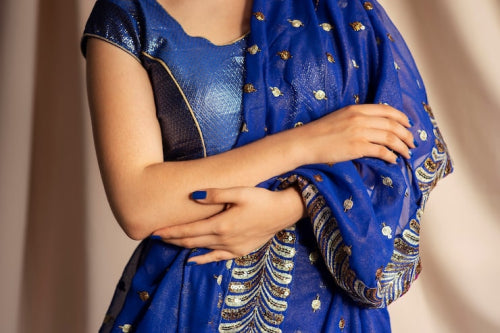
In sun-drenched mornings across Delhi or quiet evenings in a New York apartment, the simple act of draping a saree can feel like stepping into something timeless. Women balancing heritage with modern lives are turning away from fleeting trends toward pieces that last, that breathe, and that carry the weight of real stories. It is in this quiet shift that pure linen and silk fabrics define quality in sustainable sarees, elevating everyday elegance into something far more meaningful.
Fast fashion erodes cultural heritage, sidelining artisans and reducing traditions to trends. At IndieHaat, we champion India's craftspeople with handcrafted sarees, apparel, décor, and skincare rooted in authenticity. Each piece embodies skill and ethical care. Support artisans and preserve India's timeless legacy Shop Now!
The Timeless Pull of Handloom Sarees
Handloom sarees have never really gone out of style they have simply waited for the world to catch up. From the weaving villages of India to the wardrobes of women in Singapore, Australia, the UK, the UAE, and the United States, these garments represent more than clothing. They embody continuity. Families pass them down, celebrations call for them, and quiet moments of reflection find comfort in their drape. What feels different now is the deliberate choice behind each purchase: a preference for authenticity over mass production.
The Indian saree market recently reached USD 5.76 billion, driven by a deepening appreciation for sustainable handloom sarees that support weavers and honor traditional techniques. This is not hype. It is the natural result of women seeking garments that align with their values pieces that feel good on the skin and sit right with the conscience. Across bustling urban centers and diaspora communities alike, these sarees have become symbols of thoughtful living, where every thread tells a story of craftsmanship passed through generations.
Why Pure Linen and Silk Set the Standard for Quality
Walk through any artisan cluster and you will notice the quiet pride in working with pure fibers. Linen, derived from flax, offers a crisp yet softening hand that improves with every wear. It breathes in humid Indian afternoons and layered London winters alike. Silk, harvested from cocoons, brings a natural luster and fluid drape that catches light beautifully without ever feeling synthetic.
At their best, these fabrics are used undiluted no blends, no shortcuts. The result is a saree that regulates temperature, resists pilling over time, and develops its own character. Linen wrinkles gracefully, telling the story of a day well lived. Silk flows with movement, adding effortless grace to both festive gatherings and quiet office days. Together, they redefine quality not as flash but as quiet endurance and comfort, making them ideal companions for the varied lifestyles of women navigating professional demands and cultural traditions in diverse climates from Sydney to Dubai.
Sourced Directly from Artisans, Crafted with Intention
Every saree begins in the hands of skilled weavers who have honed their craft across generations. When sourcing happens directly from these artisans, something shifts. Designs emerge that cannot be replicated in factories subtle motifs inspired by local flora, geometric patterns passed down through families, color palettes drawn from the rhythms of the seasons. No two pieces are identical, and that uniqueness becomes part of the wearer's own story.
This direct connection ensures authenticity at every step. Pure linen, silk, and cotton remain uncompromised. Artisans receive fair compensation for their time and expertise. The result is clothing that feels personal rather than transactional. Women in target regions from bustling Mumbai households to expat communities in Dubai or Sydney find themselves drawn to these pieces precisely because they carry the imprint of human care rather than machine uniformity. Handmade items directly sourced create a bridge between tradition and contemporary needs, fostering a deeper appreciation for the labor and creativity involved.
The Sensory Joy of Pure Fabrics
Imagine running your hand across a length of pure linen. The texture is alive slightly textured yet incredibly soft after a few washes. It absorbs moisture without clinging, making it ideal for the varied climates women navigate across India and abroad. Silk offers its own quiet luxury: cool against the skin in summer, gently warming in cooler months, with a subtle sheen that flatters every skin tone.
These are not abstract benefits. They are daily realities. A saree in pure silk can move through a long day of meetings or family functions without losing its composure. Linen travels beautifully in suitcases, emerging ready for a beachside gathering in Singapore or a cultural event in the UK. The fabrics age with dignity, growing softer and more personal rather than wearing out. This sensory connection transforms wearing a saree from a routine into a mindful experience, where the fabric's natural properties enhance confidence and comfort in every setting.
Addressing the Real Concerns Women Face
Choosing a saree online comes with understandable questions. The price can feel high at first glance until you consider the hours of handwork, the quality of pure fibers, and the support extended to artisan communities. What looks like an expense becomes an investment: a garment that lasts decades, that can be restyled across seasons and occasions, and that carries ethical weight far beyond its tag.
Trust is another common hesitation. When everything happens remotely, how do you know the fabric is truly pure? Direct sourcing and transparent storytelling bridge that gap. Detailed descriptions, close-up photography, and videos shared on Instagram, Facebook, and YouTube let women see the weave, the sheen, and the subtle variations that signal authenticity.
Then there is the longing to touch and feel before buying. While nothing fully replaces the in-person experience, rich visual storytelling comes close. Customers describe how the drape photographs exactly as promised, how the weight feels balanced, and how the colors hold true under different lights. Many share their own unboxing moments online, turning individual purchases into a shared celebration of craftsmanship. These practical approaches help overcome common doubts, building confidence through real experiences and verifiable quality.
- High pricing becomes value: The investment in handmade, pure-fabric sarees pays dividends through longevity and ethical impact.
- Trust deficit addressed: Transparent artisan stories and visual proof create lasting assurance.
- Lack of tactile experience: High-resolution media and customer testimonials simulate the sensory connection effectively.
Unique Designs That Speak to Personal Style
Mass-produced fashion often flattens individuality. Handloom pieces do the opposite. One saree might feature delicate jamdani-inspired motifs in soft pastels, perfect for a daytime event in Australia. Another could showcase bold geometric weaves in deep earth tones, ideal for an evening in the UAE. The designs feel intentional because they are each one born from an artisan's vision rather than a trend forecast.
Women across the target regions appreciate this distinction. A professional in Singapore might choose a lightweight linen saree for its versatility in air-conditioned offices. A mother in the UK could reach for silk that transitions seamlessly from school runs to cultural festivals. The uniqueness ensures the saree never feels like “just another outfit” but rather a reflection of personal taste and cultural pride. These distinctive patterns, rooted in authentic traditions, allow for creative expression that resonates across borders and generations.
Styling Sustainable Sarees for Today's Life
Sustainability does not mean sacrificing style. A pure linen saree pairs effortlessly with modern blouses or even casual kurtas for a fusion look popular among younger women in urban India and the diaspora. Silk drapes beautifully over the shoulder for formal occasions yet feels relaxed enough for weekend brunches in Sydney cafes.
Accessories play their part too. Simple gold jewelry, fresh flowers, or contemporary earrings transform the same saree from daytime elegance to evening sophistication. Women experiment freely because the base fabric is versatile, breathable, and built to last. The result is a wardrobe that grows with the wearer rather than demanding constant replacement. Practical styling tips shared across social platforms further inspire confident, sustainable choices that honor both heritage and modern living.
Choosing with Confidence and Conscience
In the end, the decision to invest in pure linen and silk sarees is about more than fabric. It is about aligning daily choices with deeper values supporting artisans, embracing sustainability, and wearing garments that feel as good as they look. Women in India and across the globe are proving that tradition and modernity can coexist beautifully when quality leads the way.
The next time you reach for a saree, pause to consider what lies beneath the drape. Feel the difference that pure fibers and human hands make. In a world of fast fashion, these pieces remind us that some things are worth slowing down for and that true elegance begins with conscious choices. By selecting handmade items with unique designs and authentic pure fabrics, every woman contributes to a legacy of craftsmanship while enjoying timeless beauty tailored to her life.
Frequently Asked Questions
Why do pure linen and silk fabrics define quality in sustainable sarees?
Pure linen and silk stand out as they are used without synthetic blends, providing exceptional breathability, temperature regulation, and natural comfort that improves with every wear. Linen offers a crisp texture that softens over time and suits humid Indian afternoons or cooler climates abroad, while silk delivers fluid drape and subtle sheen. When handcrafted by artisans, these fabrics create durable, meaningful pieces that honor traditional techniques and redefine quality as quiet endurance rather than flash.
Are pure linen and silk handloom sarees worth the investment?
Yes, these sustainable sarees prove to be a valuable long-term investment due to their superior quality and longevity. They resist pilling, age gracefully, develop their own character, and can be passed down through generations or restyled for various occasions from office days to cultural events. Beyond durability, they support artisans directly and preserve cultural heritage against fast fashion.
How can I trust the authenticity of sustainable sarees bought online?
Trust comes from direct sourcing from artisans combined with transparent storytelling, detailed photography, and videos showing the weave, sheen, and subtle variations of pure linen and silk. Customers often note the perfect drape, balanced weight, and true colors in real-life use across climates from Delhi to Sydney or Dubai. This approach addresses common concerns like price and tactile experience while highlighting the unique, non-uniform characteristics of genuine handloom pieces.
Disclaimer: The above helpful resources content contains personal opinions and experiences. The information provided is for general knowledge and does not constitute professional advice.
You may also be interested in: Natural Fabrics for Clothing: A Buyers Guide - Indiehaat.com
Fast fashion erodes cultural heritage, sidelining artisans and reducing traditions to trends. At IndieHaat, we champion India's craftspeople with handcrafted sarees, apparel, décor, and skincare rooted in authenticity. Each piece embodies skill and ethical care. Support artisans and preserve India's timeless legacy Shop Now!
Powered by flareAI.co