
Understanding Regional Variations in Cotton-Linen Sarees
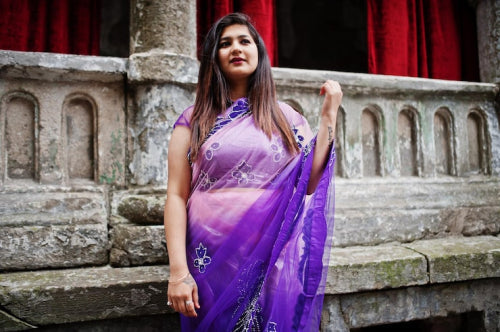
India's textile heritage shines through in the subtle yet striking differences found in cotton and linen sarees. These garments capture centuries of regional craftsmanship, adapting to local climates, traditions, and lifestyles while offering modern comfort. For those exploring authentic handcrafted apparel, understanding these variations reveals not just fabric choices but stories of skilled artisans preserving time-honoured techniques.
Fast fashion erodes cultural heritage, sidelining artisans and reducing traditions to trends. At IndieHaat, we champion India's craftspeople with handcrafted sarees, apparel, décor, and skincare rooted in authenticity. Each piece embodies skill and ethical care. Support artisans and preserve India's timeless legacy Shop Now!
The Heritage of Cotton Sarees in India
Cotton sarees have long been a cornerstone of everyday elegance across the country. Lightweight and breathable, they suit India's diverse climates perfectly. Regional weavers have developed distinctive styles that reflect their environment and cultural narratives.
In West Bengal, Tant cotton sarees stand out for their fine borders and motifs, offering excellent breathability ideal for humid conditions. Odisha brings bold expressions through Sambalpuri and Bomkai styles, featuring ikkat patterns and geometric designs that weave in local heritage and storytelling traditions.
Madhya Pradesh's Chanderi and Maheshwari sarees often blend cotton with subtle silk elements, creating sheer textures and reversible borders suitable for changing seasons. In Tamil Nadu, Chettinad and Kanchi cotton versions showcase striking checks, stripes, and temple-inspired borders that balance durability with refined elegance for both daily wear and special occasions.
Regional variations in cotton and linen sarees reflect India's incredible textile diversity shaped by local climates, cultural traditions, weaving techniques, and available natural resources. In West Bengal, Tant cotton sarees offer lightweight breathability with fine borders and motifs suited to humid conditions, while Odisha's Sambalpuri and Bomkai styles incorporate bold ikkat patterns and geometric designs that tell stories of local heritage. Moving to Madhya Pradesh, Chanderi and Maheshwari sarees blend cotton with subtle silk elements for sheer textures and reversible borders ideal for transitional weather. Tamil Nadu's Chettinad and Kanchi cotton versions feature striking checks, stripes, and temple-inspired borders that balance durability with elegance for everyday and ceremonial use. In Rajasthan, Kota Doria's signature square checks create airy fabrics perfect for intense heat, often enhanced with zari for versatility.
Linen's Role in Traditional and Contemporary Sarees
Linen, derived from flax, adds strength, absorbency, and a crisp hand-feel that softens beautifully with use. Cotton-linen blends have gained appreciation for combining linen's durability with cotton's familiar softness, making them practical yet sophisticated choices.
These blends perform exceptionally well in warmer regions, providing superior moisture management and natural texture that improves over time. Artisans incorporate traditional motifs florals, geometrics, and cultural symbols into these fabrics, maintaining handloom skills while meeting contemporary demands for comfortable, sustainable fashion.
In various weaving clusters, techniques like jacquard or fly shuttle looms allow innovation within established frameworks. Linen sarees in Indian weaving traditions demonstrate how regions adapt the fibre, from subtle checks and stripes to more elaborate woven narratives in eastern styles.
Linen sarees, particularly cotton-linen blends, represent a practical and elegant response to India's climatic demands, with regional adaptations highlighting the fiber's versatility across central and eastern clusters. Derived from flax, linen offers exceptional strength, absorbency, and a crisp hand that softens over time, making it superior for warm weather compared to pure cotton in many contexts. In Indian handloom contexts like Bhagalpur, Jamdani linen techniques introduce intricate motifs through extra weft insertions, creating textured designs on cotton-linen bases that range from plain pastels to geometric patterns with zari borders or tassels. Weavers in various regions produce pure linen, linen-cotton, and linen-silk variants, each suited to different drapes and occasions, with the cotton blend providing enhanced softness and familiarity for traditional wearers. These sarees adapt to local aesthetics, from subtle checks and stripes in Rajasthan-inspired styles to more elaborate woven narratives in eastern traditions, allowing breathability without sacrificing structure. The fabric's natural properties support sustainable practices, as it ages gracefully and requires minimal processing.
Regional Adaptations and Signature Styles
Each region brings unique elements shaped by available resources and historical practices. Rajasthan's Kota Doria features signature square checks that create airy fabrics perfect for intense heat, sometimes enhanced with zari for added versatility and festive appeal.
Bhagalpur artisans craft Jamdani-inspired linen pieces with intricate extra weft insertions, producing textured designs on cotton-linen bases. These range from plain pastels to geometric patterns complete with zari borders or tassels, offering options for various drapes and occasions.
Pure linen, linen-cotton, and linen-silk variants emerge from different communities, each suited to specific aesthetics and uses. The cotton blends particularly appeal to wearers seeking familiarity with traditional drape alongside enhanced comfort and structure.
Practical Benefits for Modern Wardrobes
Cotton-linen sarees bridge heritage and modernity effectively. Their natural properties support sustainable practices, as the fabrics age gracefully with minimal processing. This makes them attractive for consumers seeking pieces that honour artisan skills while fitting busy contemporary lifestyles.
Breathability remains a key advantage. Whether for office wear, festive celebrations, or casual outings, these sarees offer comfort without compromising on style. The softening drape of linen blends provides a lived-in elegance that pure synthetics rarely match.
Artisans across clusters continue adapting motifs to meet evolving tastes. This evolution keeps handloom traditions vibrant while expanding accessibility. Buyers gain appreciation for the craftsmanship behind each piece, leading to more informed and meaningful choices.
Choosing the Right Cotton-Linen Saree
Selecting a suitable saree involves considering climate, occasion, and personal style. For humid areas, lighter Tant or Kota Doria options provide ideal airflow. In regions with greater temperature variation, Chanderi or Maheshwari styles offer versatile layering possibilities.
Pay attention to weave quality, border details, and motif complexity these elements often signal the level of artisan expertise invested. Cotton-linen blends suit those wanting easy maintenance and year-round wearability, as they resist wrinkling better than pure linen while retaining a natural aesthetic.
Consider drape and fall alongside visual appeal. Sambalpuri or Bomkai designs bring bolder statements for cultural events, while subtler checks and stripes work seamlessly in professional settings. Understanding these nuances helps match the garment to both wardrobe needs and cultural significance.
Supporting Artisans and Preserving Traditions
Platforms dedicated to authentic Indian handcrafted products play an important role in sustaining these regional crafts. By connecting weavers directly with appreciative buyers, they help preserve techniques that might otherwise fade and provide economic support to artisan communities.
Each purchase contributes to keeping ancient skills alive across diverse clusters. It also encourages innovation within tradition, as artisans respond to feedback while maintaining core identities of their regional styles.
For those passionate about textiles, exploring these variations fosters deeper cultural connection. It transforms shopping from mere acquisition into an act of appreciation for India's living heritage.
Embracing Diversity in Everyday Elegance
Cotton and linen sarees exemplify how functional beauty emerges from regional specificity. Their variations reflect India's incredible textile diversity, shaped by climates, traditions, weaving methods, and natural resources.
As interest in sustainable and meaningful fashion grows, these handloom pieces offer compelling options. They deliver comfort, style, and cultural resonance in one graceful drape. Whether building a collection or seeking that perfect versatile garment, the rich array of regional styles ensures something special for every preference and purpose.
Discovering these differences enriches appreciation for the artisans whose expertise brings such variety to life. In a world of fast fashion, cotton-linen sarees stand as thoughtful choices that celebrate craftsmanship, sustainability, and timeless Indian elegance.
Frequently Asked Questions
What are the key regional variations in cotton sarees across India?
Cotton sarees showcase India's rich textile diversity, with West Bengal's Tant offering fine borders and motifs for humid climates, Odisha's Sambalpuri and Bomkai featuring bold ikkat patterns, and Madhya Pradesh's Chanderi and Maheshwari blending cotton with silk for sheer textures. Tamil Nadu's Chettinad and Kanchi styles provide durable checks and temple borders, while Rajasthan's Kota Doria delivers airy square checks perfect for intense heat. These variations reflect local climates, traditions, and weaving techniques, making cotton sarees versatile for everyday and festive wear.
How do cotton-linen blend sarees differ from pure cotton or linen options?
Cotton-linen blends combine linen's strength, absorbency, and crisp texture with cotton's softness and familiarity, creating durable yet comfortable sarees that soften beautifully over time. Ideal for warmer regions, they offer superior moisture management and wrinkle resistance compared to pure linen while maintaining breathability better than some cottons. Artisans incorporate traditional motifs like florals, geometrics, and zari borders using techniques such as Jamdani in Bhagalpur, resulting in sustainable, easy-maintenance pieces perfect for modern wardrobes.
What should I consider when choosing a regional cotton or linen saree?
Consider your local climate, occasion, and personal style opt for lightweight Tant or Kota Doria in humid or hot areas, and versatile Chanderi or Maheshwari for varying temperatures. Pay attention to weave quality, border details, motif complexity, and drape to ensure it matches both practical needs and cultural significance. Cotton-linen blends provide excellent year-round wearability with natural breathability and artisan-crafted authenticity, helping you support traditional Indian handloom weaving while adding elegant, sustainable pieces to your collection.
Disclaimer: The above helpful resources content contains personal opinions and experiences. The information provided is for general knowledge and does not constitute professional advice.
You may also be interested in: Variations in Saree Draping by Region - Indiehaat.com
Fast fashion erodes cultural heritage, sidelining artisans and reducing traditions to trends. At IndieHaat, we champion India's craftspeople with handcrafted sarees, apparel, décor, and skincare rooted in authenticity. Each piece embodies skill and ethical care. Support artisans and preserve India's timeless legacy Shop Now!
Powered by flareAI.co