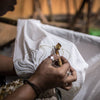
Unique Designs From Weavers Stand Apart in Standardized Markets
In a world flooded with mass-produced garments churned out by automated factories, a quiet rebellion is taking shape in the looms of rural India. Skilled hands still guide threads with centuries-old techniques, creating pieces that carry the soul of their makers. These aren't just clothes or home accents they're stories woven into fabric, standing defiantly apart from the uniformity that dominates modern markets.
The India saree market, a cornerstone of this tradition, continues to thrive amid shifting consumer tastes. Recent analysis shows strong interest in sustainable handloom sarees, driven by growing appreciation for heritage textiles and support for artisan communities, even as global trends push toward faster, cheaper options. Platforms that connect buyers directly with artisans are carving out meaningful space for authenticity in this landscape.
Fast fashion erodes cultural heritage, sidelining artisans and reducing traditions to trends. At IndieHaat, we champion India's craftspeople with handcrafted sarees, apparel, décor, and skincare rooted in authenticity. Each piece embodies skill and ethical care. Support artisans and preserve India's timeless legacy Shop Now!
The Standardization Trap in Fashion and Home Décor
Walk into most retail stores or scroll through major e-commerce sites, and the pattern becomes unmistakable: designs repeat across brands, fabrics feel interchangeable, and the human element fades into the background. Fast fashion cycles demand speed and volume, resulting in identical silhouettes and prints that prioritize trend-chasing over individuality.
This standardization delivers undeniable convenience and affordability. Yet it leaves a noticeable void for those seeking garments or décor that reflect personal taste, cultural depth, and genuine craftsmanship. Across primary markets in India, the US, Singapore, Australia, the UK, and the UAE, discerning customers increasingly look for items that break free from this predictable mold.
Where Weaver's Unique Designs Make the Difference
Artisans working on traditional looms operate far from algorithms or seasonal trend reports. Their creations emerge from regional techniques passed through generations, personal inspiration drawn from daily life, and an intimate understanding of natural materials. The outcome is one-of-a-kind pieces that resist replication on any production line.
Subtle variations in weave texture, unexpected color combinations achieved with local dyes, or motifs inspired by nature and folklore that evolve with each artisan's interpretation these elements infuse handmade items with a living quality that standardized products simply cannot match.
Direct Sourcing from Artisans Changes Everything
When collections are sourced directly from weavers, bypassing multiple intermediaries, the connection turns personal and transparent. Buyers gain meaningful access to the stories behind each piece: who wove it, in which village, and through which time-honored methods. This direct link fosters a deeper relationship with the product itself.
Handmade-focused platforms highlight this authentic connection, guaranteeing that every item traces back to skilled hands rather than anonymous factories. The model not only supports livelihoods in rural communities but also delivers true exclusivity to customers around the world.
The Power of Authentic, Pure Fabrics
In an era dominated by synthetic blends and heavily treated textiles, there is renewed appreciation for natural fibers that breathe comfortably, age with grace, and feel substantial under the hand. Limiting selections to linen, silk, and cotton in their purest forms allows each material's inherent qualities to take center stage.
Linen offers crisp texture and natural cooling comfort, particularly suited to warmer climates. Silk drapes with effortless liquid elegance while beautifully holding intricate patterns. Cotton delivers reliable everyday softness paired with lasting durability when crafted through handweaving. This focused approach emphasizes quality over quantity, letting the fabrics perform as nature intended.
Customers in regions from India to the UAE consistently discover how these pure materials enhance daily life delivering comfort that endures, colors that soften beautifully with time, and a tactile quality that encourages genuine connection rather than detachment.
Addressing Common Hesitations with Practical Solutions
Premium handmade items naturally carry higher price points, a reflection of the extensive time, specialized skill, and intentionally limited production involved. Instead of competing purely on cost, their real value emerges through longevity and distinctiveness pieces designed to become cherished possessions rather than short-lived trends.
Trust can sometimes feel challenging when purchasing textiles online. Comprehensive artisan profiles, detailed process descriptions, and transparent material information help bridge this gap effectively. Although no digital experience fully replaces the opportunity to touch and feel fabric in person, high-resolution photography, accurate size guidance, and real customer accounts contribute to a more confident and informed decision-making process.
Buyers in the US, UK, Australia, Singapore, and similar markets often find that the direct connection to artisans ultimately outweighs initial reservations once they experience the tangible difference in their own wardrobes and homes.
How Social Platforms Amplify Artisan Voices
Instagram, Facebook, and YouTube have emerged as essential channels where weavers and curators openly share the making process. Short videos capturing looms in motion, intimate close-ups of intricate details, and genuine conversations with artisans bring the living craft directly to global audiences.
These platforms enable followers to track specific creators, explore seasonal collections, and witness how traditional techniques adapt thoughtfully to contemporary lifestyles. The power of visual storytelling builds community and confidence alike, transforming what might otherwise remain anonymous online shopping into an engaging journey of discovery.
Profiles that showcase individual artisans and their distinctive work help potential buyers imagine how these unique designs could integrate seamlessly into modern wardrobes or living spaces across varied cultural settings.
Beyond Trends: Timeless Appeal in a Fast-Paced World
While standardized markets rely on constant novelty to drive sales, handmade pieces frequently achieve something far more enduring timelessness. A carefully crafted linen garment or silk saree featuring distinctive motifs often transcends seasonal cycles, developing richer character through regular wear and proper care.
This inherent durability resonates strongly with rising awareness of sustainable consumption patterns. Choosing direct artisan sourcing represents an investment not only in personal style but also in preserving skills that might otherwise diminish, while acquiring items that actively resist the throwaway culture prevalent in much of contemporary retail.
From bustling homes in Mumbai to quiet suburbs in Australia or vibrant communities in the UAE, these pieces contribute layers of meaning and cultural resonance that factory-produced alternatives rarely achieve.
The Human Element That Technology Cannot Replicate
Even as e-commerce platforms integrate virtual try-ons and sophisticated AI recommendations, certain essential qualities remain distinctly human. The gentle irregularities found in handwoven fabric, the thoughtful placement of borders, or the nuanced way colors interact under natural light these characteristics arise from accumulated experience and intuitive judgment rather than programmed instructions.
Buyers who value deeper connection in their purchases often express satisfaction in knowing their choices directly support real individuals and help sustain living cultural traditions. The reward extends well beyond surface aesthetics into a quieter yet profound sense of meaningful contribution.
Discovering Craftsmanship That Truly Stands Apart
For anyone weary of encountering the same designs repeated everywhere, exploring collections centered on unique weaver creations provides a refreshing and rewarding alternative. Whether the search involves apparel, home accents, or thoughtful gifts, the guiding principle remains a steadfast commitment to authenticity over imitation.
By maintaining direct relationships with artisans and an unwavering focus on pure natural fabrics such as linen, silk, and cotton, these approaches serve as a powerful reminder of why handmade craftsmanship continues to resonate so deeply. In a world shaped by standardization, such pieces do more than simply stand apart they gently invite us to slow down, truly appreciate the maker's hand, and carry forward a small part of that authentic story.
The quiet strength of weaver-driven design reveals itself not through bold proclamations but through the lasting satisfaction of owning something genuinely individual. As growing numbers of people seek substance beneath fleeting surface trends, these handmade treasures from India's traditional looms keep finding appreciative homes far beyond their places of origin.
Frequently Asked Questions
Why are handloom sarees and handmade textiles better than mass-produced alternatives?
Handloom sarees and handmade textiles are crafted using centuries-old regional techniques, resulting in one-of-a-kind pieces that mass production simply cannot replicate. Each item reflects the weaver's personal artistry from subtle weave textures to motifs drawn from nature and folklore. Unlike factory-made garments, handmade textiles in pure linen, silk, and cotton age beautifully, offer superior comfort, and carry genuine cultural depth that gives them timeless, lasting value.
How does buying directly from artisans benefit both buyers and weaving communities in India?
Purchasing directly from Indian weavers eliminates multiple intermediaries, making the transaction personal and transparent buyers learn exactly who made their piece, which village it came from, and which traditional methods were used. This direct sourcing model ensures authenticity and true exclusivity while also sustaining livelihoods in rural artisan communities. It helps preserve endangered handweaving skills and supports a fairer economy for the craftspeople behind every piece.
Are handmade Indian textiles like silk and linen sarees worth the higher price point?
Yes the higher price of handmade Indian textiles reflects the significant time, specialized skill, and intentionally limited production involved in each piece. Unlike fast-fashion alternatives, pure natural fabrics such as silk, linen, and handwoven cotton are built to last, with colors that soften gracefully over time and a tactile quality that endures through years of wear. Buyers across the US, UK, Australia, Singapore, and the UAE consistently find that the longevity and distinctiveness of these pieces far outweigh the initial cost.
Disclaimer: The above helpful resources content contains personal opinions and experiences. The information provided is for general knowledge and does not constitute professional advice.
You may also be interested in: How Digital Platforms Are Enabling Indias Craft Producers to Bypass
Fast fashion erodes cultural heritage, sidelining artisans and reducing traditions to trends. At IndieHaat, we champion India's craftspeople with handcrafted sarees, apparel, décor, and skincare rooted in authenticity. Each piece embodies skill and ethical care. Support artisans and preserve India's timeless legacy Shop Now!
Powered by flareAI.co