Versatile Dress Materials Adapt to Professional and Festive Occasions
Quick Listen:
In today's fast-paced world, where schedules shift from boardroom strategy sessions to evening celebrations with little notice, the perfect fabric becomes an essential ally. Imagine a single piece of cloth that moves seamlessly from structured professional settings to vibrant festive gatherings. This quiet evolution in personal style centers on versatile dress materials that adapt gracefully to multiple roles. As discerning shoppers discover how silk dress material transforms everyday wear into elegant statements, they embrace garments that respect cultural roots while meeting modern demands.
Fast fashion erodes cultural heritage, sidelining artisans and reducing traditions to trends. At IndieHaat, we champion India's craftspeople with handcrafted sarees, apparel, décor, and skincare rooted in authenticity. Each piece embodies skill and ethical care. Support artisans and preserve India's timeless legacy Shop Now!
The Practical Appeal of Adaptable Wardrobe Choices
Many have faced the familiar dilemma of staring into a closet, searching for one outfit suitable for both a daytime presentation and an evening event. Thoughtfully designed dress materials solve this by combining comfort, refinement, and flexibility. These are more than garments; they represent intelligent choices that span an entire day's agenda. A carefully selected fabric can be styled as a tailored kurta for office environments or enhanced with accessories for wedding festivities, delivering consistent performance throughout.
The growing preference stems from both practical needs and visual harmony. Professionals increasingly reject the burden of maintaining entirely separate wardrobes for different contexts. They favor items that shift effortlessly between settings, conserving resources while projecting deliberate and sophisticated appearances.
Drawing Strength from India's Rich Handicraft Traditions
India maintains its position as a global powerhouse in artisanal textiles, with its handicrafts sector showcasing remarkable resilience. The market reached USD 4,565.0 Million in 2024, driven by heightened appreciation for ethnic and handmade creations, broader online accessibility, and a worldwide move toward sustainable options. Dress materials emerge prominently within this landscape as standout examples of true versatility.
Ranging from handprinted textiles and scarves to embroidered and crocheted pieces, along with detailed zari elements, these fabrics embody generations of expertise in every strand. Skilled artisans from diverse regions invest deep knowledge into each creation, producing materials that feel distinctive yet prove highly functional for routine use.
Achieving Professional Elegance Effortlessly
Contemporary workplaces now frequently feature subtle integrations of Indian craftsmanship that once appeared too ornate for corporate settings. A handprinted cotton kurta in restrained shades complements tailored trousers effectively, providing natural breathability during extended meetings and adding character absent in standard options.
Success lies in refined execution. Lightweight constructions with restrained embroidery layer comfortably beneath jackets, while the inherent flow of silk or linen contributes structure without rigidity. Such materials accommodate daily movement perfect for travel between locations, client interactions, or virtual conferences while maintaining complete appropriateness in formal environments.
Strategic color selection enhances this balance. Gentle pastels, rich indigos, and grounded neutrals ensure subtlety during working hours, demonstrating that traditional elements can remain understated. The outcome is a sense of assured presence and cultural depth without any compromise on professional standards.
Transitioning Smoothly to Festive Moments
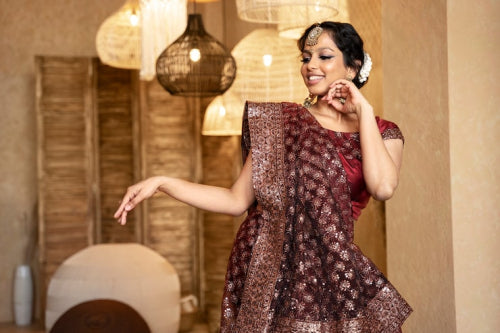
As daylight fades, the identical dress material unveils its celebratory potential. Incorporating a striking dupatta, layering delicate zari-adorned jewelry, or allowing the textile to interact with ambient lighting creates an immediate shift toward festivity. Restrained daytime appearances give way to sparkling expressions of joy.
Motifs that maintained discretion in professional contexts gain prominence at family events or Diwali observances. Deeper hues and more expressive patterns surface through alternative styling perhaps as a graceful anarkali or combined with luminous skirts. This adaptability originates from the fabric's inherent qualities: the very handcrafted textile that conveyed quiet competence earlier now radiates festive energy.
Such duality reflects intentional design. Artisans create with actual lifestyles in view, recognizing that wearers balance varied responsibilities and require clothing that supports rather than hinders them.
Essential Fabrics and Craft Techniques Enabling Flexibility
Certain materials excel at this dual-purpose role due to shared distinctive qualities:
- Handprinted textiles deliver understated patterns that appear refined by day and expressive by night.
- Embroidered and crocheted accents introduce tactile interest without dominating simpler forms.
- Zari threads interact elegantly with illumination, offering measured shimmer for evenings while preserving daytime sophistication.
- Natural fibers such as cotton, silk, and linen guarantee comfort through extended periods and varying conditions.
These time-honored methods, transmitted across generations, produce richness that mass-produced alternatives seldom achieve. The finished garments seem responsive adapting naturally to changes in lighting, motion, and atmosphere.
Effective Styling Approaches for Effortless Shifts
Maximizing the potential of versatile dress materials depends on intentional accessorizing and strategic layering. Experienced individuals achieve fluid transitions through these approaches:
- Begin with versatile bases: Select foundational colors compatible across contexts, then build distinctive elements around them.
- Modify the overall shape: Transform a linear kurta suited for work into a dynamic drape for evenings via simple adjustments like belting.
- Exchange complementary pieces: Opt for understated studs and functional timepieces during the day; transition to bolder earrings and distinctive clutches after hours.
- Utilize outer garments creatively: A fitted jacket conceals ornamental details in formal meetings; its removal later highlights those same features.
The objective focuses less on accumulating possessions and more on employing existing items with greater imagination. A single quality dress material can effectively stand in for multiple lesser alternatives.
The Broader Significance: Heritage Preservation and Mindful Choices
Beyond functional advantages, these garments foster meaningful connections. Choosing handicrafts supports ongoing livelihoods and safeguards traditional techniques that could otherwise diminish. Every acquisition contributes to sustaining networks of weavers and craftspeople who regard their efforts as both artistic practice and cultural legacy.
Environmental considerations add further weight. Handcrafted items are typically produced in limited quantities using natural components, generating less excess than rapid-production models. When one adaptable ensemble substitutes for several short-lived trends, cumulative benefits become substantial.
Owners frequently describe the profound fulfillment derived from possessing articles created with genuine attention. These become pieces with narratives accompanying individuals from significant professional milestones to cherished personal occasions.
Proper Maintenance for Lasting Quality
Preserving the appearance and integrity of handcrafted dress materials through repeated use requires attentive practices. Gentle hand washing in cool temperatures with suitable cleansers helps retain vibrant tones and fine embroidery. Natural air drying, shielded from intense sunlight, avoids discoloration, while storage in airy fabric containers safeguards fragile elements.
Simple routines such as alternating garments and addressing marks immediately can dramatically prolong usability. The initial commitment yields enduring returns: numerous households transmit these adaptable pieces through family lines, converting one acquisition into a treasured legacy.
Embracing Fashion Aligned with Contemporary Realities
The rising interest in versatile dress materials indicates a positive direction in consumer preferences. Individuals are shifting from fleeting styles toward considered, multifunctional selections that honor their schedules and principles. Amid constant pressures, apparel that accommodates rather than adds complexity represents a thoughtful response.
Whether you are newly exploring Indian textile traditions or refining an established collection, the core insight remains consistent: separate wardrobes for different spheres are unnecessary. The appropriate dress material enables one expertly crafted item to support every aspect of life with poise, ease, and enduring appeal.
Frequently Asked Questions
What types of dress materials work best for both professional and festive occasions?
Fabrics like silk, cotton, and linen are ideal for transitioning between professional and festive settings. Handprinted textiles offer understated patterns that look refined in the office yet expressive at evening events, while zari-threaded materials add a measured shimmer perfect for celebrations. Embroidered and crocheted accents provide tactile interest without overwhelming a formal look, making them highly versatile choices.
How can I style an Indian dress material outfit to shift from work to a festive event?
Transitioning is easier than it seems with a few simple swaps. Start with a neutral or muted base kurta suited for the workplace, then add a striking dupatta, swap understated studs for bold earrings, and remove a formal jacket to reveal decorative embroidery underneath. Belting a straight kurta or pairing it with a luminous skirt can also instantly elevate the look for celebrations like Diwali or weddings.
Why are handcrafted Indian dress materials considered a sustainable wardrobe choice?
Handcrafted dress materials are typically produced in limited quantities using natural fibers like cotton, silk, and linen, generating far less waste than fast fashion. By choosing one high-quality, versatile piece over multiple trend-driven garments, consumers reduce their environmental footprint significantly. These purchases also directly support Indian artisans and help preserve traditional craft techniques that are part of the country's cultural heritage.
Disclaimer: The above helpful resources content contains personal opinions and experiences. The information provided is for general knowledge and does not constitute professional advice.
You may also be interested in: Elegant Linen Embroidered Suit - Timeless Comfort & Sophistication
Fast fashion erodes cultural heritage, sidelining artisans and reducing traditions to trends. At IndieHaat, we champion India's craftspeople with handcrafted sarees, apparel, décor, and skincare rooted in authenticity. Each piece embodies skill and ethical care. Support artisans and preserve India's timeless legacy Shop Now!
Powered by flareAI.co