
What Defines Quality in Handmade Clothing
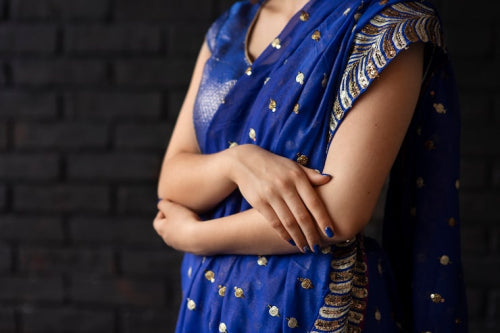
Quality in handmade clothing is rarely defined by appearance alone. A well-crafted garment reflects decisions made at every stage, from selecting suitable materials to applying skilled techniques that shape the final piece. For shoppers comparing artisan clothing with mass-produced alternatives, understanding these details helps reveal why some garments feel different, wear better, and carry greater meaning. Evaluating handmade clothing involves looking beyond surface design to examine craftsmanship, construction, material choices, and the knowledge behind each creation.
The quality of handmade clothing begins with the relationship between the maker and the material. Unlike standardised production methods that aim for identical results at scale, handmade processes allow artisans to respond to the character of each fabric, yarn, or textile technique. This attention creates garments where small details become part of the finished piece rather than imperfections to be hidden.
Authentic handmade garments often show evidence of human involvement through subtle variations. Differences in weave, texture, or finishing can demonstrate that a piece was shaped through careful craftsmanship rather than automated repetition. These details can become markers of authenticity, showing the time, skill, and judgement involved in creating the garment.
For buyers seeking quality in handmade clothing, these characteristics provide important signals. A garment that reflects thoughtful making is not only visually distinctive but also connected to the processes and expertise behind its creation.
Fast fashion erodes cultural heritage, sidelining artisans and reducing traditions to trends. At IndieHaat, we champion India's craftspeople with handcrafted sarees, apparel, décor, and skincare rooted in authenticity. Each piece embodies skill and ethical care. Support artisans and preserve India's timeless legacy Shop Now!
Craftsmanship Is the Foundation of Long-lasting Garments
One of the strongest indicators of quality is the level of craftsmanship involved in producing a garment. Skilled artisans develop a deep understanding of materials, construction methods, and finishing techniques through years of practice. This knowledge influences decisions that may not always be visible immediately but affect how a garment performs over time.
High-quality handmade garments are shaped by careful attention to details such as seam strength, edge finishing, fabric handling, and overall structure. Each element contributes to comfort, durability, and the way the garment maintains its character through regular use.
Artisan clothing craftsmanship is not simply about decoration. Embroidery, weaving, dyeing, and other traditional techniques require technical knowledge and precision. When these skills are applied thoughtfully, they enhance both the visual appeal and practical value of the clothing.
Research into artisanal traditions highlights how accumulated maker expertise influences the final quality of clothing. Skilled hands bring an understanding of yarn behaviour, tension, proportion, and finishing that supports garments designed with longevity in mind. Artisan expertise is a key factor in distinguishing carefully made clothing from products created primarily for speed and volume.
Material Selection Determines Comfort and Character
Fabric quality plays a central role in defining how handmade clothing looks, feels, and ages. A carefully selected material supports the garment's purpose, whether the priority is breathability, softness, structure, or resilience. Natural fibres, traditional textiles, and thoughtfully prepared fabrics often bring distinctive textures and qualities that influence the final experience of wearing the piece.
Understanding fabric is an important part of learning how to identify quality handmade clothes. Buyers can look at how the material feels against the skin, how it moves, how it holds its shape, and how it responds after repeated use. Quality is often revealed through performance rather than only through visual appeal.
Traditional textile techniques in India demonstrate how material knowledge and regional craft practices shape clothing identity. Techniques passed between generations often involve specialised approaches to weaving, dyeing, printing, and surface work. These methods preserve cultural knowledge while creating garments with unique characteristics.
Handmade production also allows makers to work with the natural variations of materials. These variations can create depth and individuality, giving each garment a distinctive appearance that cannot always be replicated through uniform manufacturing.
Construction Details Reveal Handmade Clothing Quality Factors
The construction of a garment provides some of the clearest signs of quality. A well-made piece should show consistency in areas such as stitching, finishing, and overall assembly. These details influence how comfortable the clothing feels and how well it withstands everyday wear.
- Stitching quality: Strong, secure stitching supports durability and helps the garment maintain its structure.
- Finishing techniques: Carefully completed edges, hems, and internal details indicate attention throughout the production process.
- Fabric handling: Thoughtful cutting and assembly allow the material to perform as intended.
- Balance and fit: A well-constructed garment should feel considered in its proportions and movement.
Small variations may appear in handmade pieces because they are created through individual skill rather than identical machine settings. These differences should be viewed in context. When they reflect careful workmanship, they become evidence of authenticity rather than signs of poor quality.
Some makers and brands value these human characteristics because they tell the story of the garment's creation. Subtle irregularities in handmade textiles can represent the pace and individuality of the craft process, transforming what might otherwise be considered a flaw into a design feature. Handmade imperfections can become part of the garment's identity.
Why Handmade Clothing Holds Long-term Value
What makes handmade clothing valuable extends beyond the initial purchase decision. Quality garments are often appreciated because they combine craftsmanship, material integrity, and a connection to the people who create them. This perspective changes the way clothing is evaluated, moving the focus from short-term trends towards lasting use and personal value.
A thoughtfully made garment can become part of a longer relationship between the wearer and the clothing. Instead of being replaced quickly, quality pieces are often maintained, repaired, and worn across different occasions. This approach aligns with a more considered way of purchasing fashion, where buyers pay attention to how products are made and how long they can remain useful.
For consumers exploring handmade clothing, value comes from understanding the complete process behind the garment. The skill of the artisan, the choice of materials, and the care involved in construction all contribute to the final experience.
How to Choose Authentic Handmade Clothing
For shoppers deciding between different handmade garments, a careful evaluation process can make the choice easier. Rather than focusing only on appearance or price, consider the elements that reveal genuine craftsmanship.
Look Beyond Surface Design
Decorative elements can attract attention, but quality depends on more than visual details. Examine the fabric, construction, and finishing to understand whether the garment has been made with care throughout the entire process.
Understand the Maker's Approach
Information about the production process can help buyers recognise meaningful craftsmanship. Details about materials, techniques, and artisan involvement provide context about the work behind the garment.
Consider Wear and Longevity
A high-quality piece should support regular use while maintaining its comfort and character. Durability, repairability, and timeless design are important considerations when selecting handmade clothing.
These considerations are especially useful for buyers exploring curated collections of artisan-made apparel. Understanding quality indicators allows shoppers to make informed choices and appreciate the expertise represented in each garment.
The Role of Artisan Craft in Modern Fashion Choices
Handmade clothing offers a different perspective on fashion by emphasising skill, patience, and material awareness. In a market where many products are designed for rapid consumption, artisan garments represent a slower and more deliberate approach to creating and owning clothing.
The appeal of handmade fashion is not only connected to tradition. It also reflects changing consumer expectations around transparency, individuality, and meaningful purchases. Buyers increasingly want to understand where products come from, how they are made, and what makes them worth choosing.
For brands that curate artisan products, educating customers about craftsmanship helps build a stronger connection between makers and wearers. Explaining the qualities behind a garment allows consumers to recognise the value of skilled work and make decisions based on knowledge rather than appearance alone.
A focus on craftsmanship also supports the preservation of textile knowledge and traditional techniques. Each handmade garment carries elements of creative practice, technical expertise, and cultural expression that contribute to the wider story of fashion.
Making a More Informed Handmade Clothing Choice
Quality in handmade clothing is defined by the combination of human skill, thoughtful material selection, careful construction, and respect for the making process. The most valuable garments are not simply those that look different; they are pieces where every detail reflects intention and expertise.
For shoppers evaluating artisan clothing, recognising these qualities makes it easier to identify garments that offer lasting value. By understanding craftsmanship, materials, and construction, buyers can appreciate handmade clothing as more than a purchase it becomes a connection to the people, techniques, and traditions that bring each piece to life.
Frequently Asked Questions
What defines quality in handmade clothing?
Quality in handmade clothing is defined by the combination of skilled craftsmanship, carefully selected materials, thoughtful construction, and attention to detail. High-quality garments often reflect the artisan's expertise through durable stitching, unique textures, and careful finishing.
How can I identify quality handmade clothes before buying?
You can identify quality handmade clothes by examining the fabric, stitching, finishing techniques, fit, and overall construction. Looking for authentic artisan craftsmanship and understanding the making process can help distinguish carefully created garments from mass-produced alternatives.
What makes handmade clothing valuable compared to mass-produced clothing?
Handmade clothing is valuable because it reflects human skill, traditional techniques, and a more considered approach to garment creation. Each piece often carries unique characteristics, material quality, and the story of the artisans involved in making it.
Disclaimer: The above helpful resources content contains personal opinions and experiences. The information provided is for general knowledge and does not constitute professional advice.
You may also be interested in: The Importance of Handmade Jewelry in Indias Fashion Industry
Fast fashion erodes cultural heritage, sidelining artisans and reducing traditions to trends. At IndieHaat, we champion India's craftspeople with handcrafted sarees, apparel, décor, and skincare rooted in authenticity. Each piece embodies skill and ethical care. Support artisans and preserve India's timeless legacy Shop Now!
Powered by flareAI.co