What Makes Hand-Painted Fashion Truly Unique
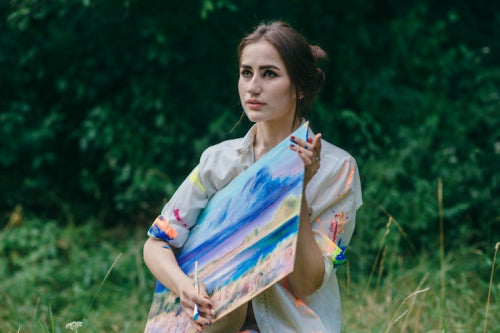
Hand-painted fashion stands apart because every piece carries evidence of human creativity. What Makes Hand-painted Fashion Truly Unique is not only the visual appeal of painted patterns, but the relationship between the artist, the material, and the story expressed through each design. For shoppers exploring alternatives to uniform, machine-made clothing, hand-painted textiles offer something different: a garment shaped by individual decisions, artistic technique, and cultural influence. This connection between craftsmanship and personal expression is what gives hand-painted apparel its distinctive character.
Fast fashion erodes cultural heritage, sidelining artisans and reducing traditions to trends. At IndieHaat, we champion India's craftspeople with handcrafted sarees, apparel, décor, and skincare rooted in authenticity. Each piece embodies skill and ethical care. Support artisans and preserve India's timeless legacy Shop Now!
The Value of Fashion Created by Hand
Mass-produced clothing is often designed for consistency, with repeated patterns and standardised finishes allowing thousands of similar pieces to be created. Hand-painted fashion follows a different approach. The artist's choices remain visible in the final piece, from brush movement and colour application to small variations that make each garment unique.
For consumers, this individuality changes the way clothing is experienced. A hand-painted garment is not simply selected for appearance; it is valued for the time, skill, and creative process behind it. The marks left by the maker become part of the identity of the piece, creating a stronger connection between the wearer and the craft.
Research into contemporary fashion movements has highlighted this growing appreciation for garments with visible human involvement. A growing demand for one-of-a-kind garments reflects how some consumers are seeking clothing that feels personal and cannot be perfectly replicated through automated production.
This shift does not mean handmade fashion replaces every other form of clothing. Instead, it represents a different value system, where uniqueness, craftsmanship, and creative storytelling become important parts of the buying decision.
Why Hand-painted Textiles Feel Personal
The appeal of hand-painted textiles comes from their connection to the maker. Unlike printed designs that follow a fixed digital or mechanical process, painted surfaces develop through the artist's interpretation. Each layer of colour, shape, and detail reflects choices made during the creation process.
This personal involvement creates a sense of authenticity. Two garments may share a similar theme or inspiration, but their painted details will naturally differ. These variations are not imperfections; they are reminders that the item was created through a skilled artistic process.
For fashion buyers, this creates an opportunity to own pieces that feel more individual. Clothing becomes a way to express personal taste while also appreciating the creative work behind the design. This is especially meaningful for people who want their wardrobe to include items with a story rather than only seasonal trends.
The difference between handmade and mass-produced fashion is therefore not only about production methods. It is about the relationship between creator and customer. Hand-painted designs preserve traces of the creative journey, allowing the finished piece to communicate something about the person who made it and the person who chooses to wear it.
Traditional Indian Hand Painting Techniques Preserve Cultural Stories
Traditional Indian hand painting techniques demonstrate how fashion can become a medium for preserving artistic knowledge. Across generations, craftspeople have developed specialised approaches to decorating textiles, using colour, motifs, and detailed techniques to communicate regional influences and creative traditions.
When these artistic methods are applied to clothing, garments can carry meanings beyond decoration. Patterns may reflect local inspiration, symbolic elements, or the imagination of the individual artist. This transforms apparel into a form of wearable art where design and cultural memory exist together.
Hand-painted fashion also creates a connection between contemporary style and traditional craftsmanship. Designers and artisans can adapt historic techniques for modern wardrobes while maintaining the handmade qualities that make each piece distinctive.
Examples from global fashion collaborations show how painted garments can preserve cultural narratives. The Guardian has explored how hand-painted designs carry cultural stories, demonstrating how artwork applied directly to clothing can represent identity, place, and heritage.
The Difference Between Handmade and Mass-produced Fashion
The difference between handmade and mass-produced fashion becomes clear when considering how each piece is created. Factory production focuses on efficiency, repeatability, and consistency. Handmade creation focuses on attention, interpretation, and the relationship between the maker and the material.
Neither approach serves the same purpose. Mass-produced clothing can provide accessibility and convenience, while handmade pieces often appeal to buyers looking for craftsmanship and individuality. Understanding this difference helps consumers make more informed choices about the types of products they want to include in their wardrobes.
Hand-painted apparel often requires more involvement at every stage. Artists must consider fabric behaviour, colour combinations, composition, and finishing techniques. The result is a product where the creative process remains visible rather than hidden.
This visibility is one reason artisanal clothing designs continue to attract attention. The final piece communicates effort and intention, offering a contrast to designs created primarily for scale and repetition.
How Hand-painted Fashion Fits Modern Consumer Values
Today's fashion choices are increasingly influenced by questions of meaning, craftsmanship, and long-term value. Many shoppers are looking beyond appearance alone and considering how products are made, who creates them, and what makes them different.
Hand-painted fashion connects with these preferences because it combines aesthetics with creative purpose. A painted garment can represent artistic exploration, cultural appreciation, and personal style at the same time.
For consumers building a more thoughtful wardrobe, handmade pieces can offer a way to move away from disposable purchasing habits. Instead of choosing clothing only because it follows a short-term trend, buyers can select items that have lasting emotional or artistic value.
This does not require every item in a wardrobe to be handmade. Rather, it encourages a more intentional approach where selected pieces have a clear reason for being valued. A hand-painted garment can become a statement piece because its uniqueness comes from the process behind it.
Choosing Authentic Hand-painted Apparel
As interest in unique handmade fashion grows, understanding what makes a piece genuinely special becomes important. Buyers looking for hand-painted apparel in India and beyond can consider several factors when evaluating craftsmanship.
- Look for visible artistic details: Authentic hand-painted pieces often show individual brushwork, layered colours, and creative variation.
- Understand the craft process: Learning how a garment is designed and finished helps reveal the skill involved.
- Consider the story behind the design: The inspiration, technique, and artisan perspective can add deeper meaning to the piece.
- Choose pieces that match personal style: The strongest connection comes when craftsmanship and individual expression come together.
For shoppers exploring artisan-made fashion, curated platforms can help make these discoveries easier by bringing together products that reflect craftsmanship and creative traditions. IndieHaat's focus on handcrafted apparel, accessories, home décor, and artisan-made products aligns naturally with readers interested in understanding the value behind handmade creations.
The appeal of hand-painted fashion is ultimately rooted in the human element. Every painted surface represents decisions, patience, and artistic interpretation. That connection between maker and material is what separates a hand-painted piece from a design that can be endlessly reproduced.
The Future of Hand-painted Fashion as Wearable Art
Hand-painted fashion continues to show why craftsmanship remains relevant in a world shaped by automation and digital production. As consumers seek more meaningful purchases, clothing with visible artistic input offers a different kind of value.
The future of this category is not only about preserving traditional methods. It is also about allowing artisans and designers to experiment, adapt, and create pieces that connect heritage with contemporary preferences.
For anyone exploring unique handmade fashion, hand-painted garments represent more than decoration. They represent creativity, individuality, and the continuing relationship between people and craft. The lasting appeal of these pieces comes from their inability to be perfectly copied the very quality that makes each one truly unique.
The Art of Hand-painted Fashion
Hand-painted fashion stands out because it combines artistic skill, cultural expression, and personal identity in a single piece. From traditional Indian hand painting techniques to modern artisanal clothing designs, these garments demonstrate the value of human creativity in fashion. For shoppers seeking clothing with character and meaning, hand-painted textiles offer an opportunity to wear something created with intention, imagination, and a story of its own.
Frequently Asked Questions
What makes hand-painted fashion unique compared to mass-produced clothing?
Hand-painted fashion is unique because each piece carries the artist's individual creativity, technique, and personal touch. Unlike mass-produced clothing with repeated designs, hand-painted textiles feature variations that make every garment feel original and connected to the maker's craft.
Why are hand-painted textiles considered a form of wearable art?
Hand-painted textiles are considered wearable art because they combine fashion with artistic expression, cultural influences, and craftsmanship. Each design reflects creative decisions, traditional techniques, and storytelling elements that go beyond simple decoration.
How can I identify authentic hand-painted apparel and handmade fashion?
Authentic hand-painted apparel often shows visible brushwork, layered colours, and unique design details created through a skilled craft process. Understanding the materials, techniques, and story behind the piece can help buyers appreciate the value of genuine handmade fashion.
Disclaimer: The above helpful resources content contains personal opinions and experiences. The information provided is for general knowledge and does not constitute professional advice.
You may also be interested in: Raksha Bandhan Sarees: Elegant Gifts for Siblings - Indiehaat.com
Fast fashion erodes cultural heritage, sidelining artisans and reducing traditions to trends. At IndieHaat, we champion India's craftspeople with handcrafted sarees, apparel, décor, and skincare rooted in authenticity. Each piece embodies skill and ethical care. Support artisans and preserve India's timeless legacy Shop Now!
Powered by flareAI.co