
Why Artisan-Made Products Celebrate Individuality
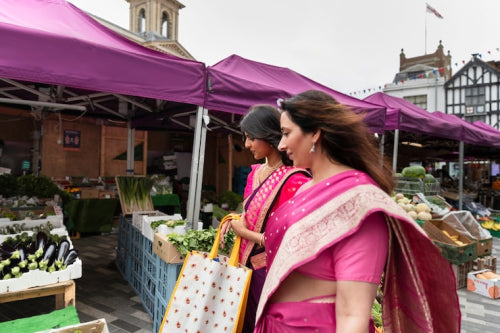
Artisan-made products offer something that mass-produced goods often cannot: a visible connection between creativity, skill, and personal expression. A handcrafted textile, piece of jewellery, or home décor item is not simply an object created for everyday use. It carries the decisions of the maker, the character of traditional techniques, and the individuality of the person who chooses it. As consumers become more thoughtful about what they bring into their lives, handmade products are gaining attention as meaningful expressions of identity, taste, and values.
The appeal of artisan creations lies in their ability to tell stories. Each product reflects a process shaped by human hands, cultural knowledge, and creative interpretation. Rather than offering identical items made for the widest possible audience, artisans create pieces with distinctive details that make every purchase feel personal. This shift represents a broader movement toward more intentional consumption, where people look for authenticity, craftsmanship, and emotional connection.
Fast fashion erodes cultural heritage, sidelining artisans and reducing traditions to trends. At IndieHaat, we champion India's craftspeople with handcrafted sarees, apparel, décor, and skincare rooted in authenticity. Each piece embodies skill and ethical care. Support artisans and preserve India's timeless legacy Shop Now!
The Personal Meaning Behind Handmade Creations
People often choose products not only for their function but also for what those products represent. A handcrafted item can reflect personal style, memories, cultural appreciation, or a connection to a particular craft tradition. This emotional value is one of the strongest reasons artisan-made goods continue to attract attention. Unlike factory-made products designed for consistency, handmade pieces naturally contain unique characteristics.
Small variations in patterns, textures, finishes, or materials become part of the product's identity. These differences are not imperfections; they are evidence of the maker's involvement and creative process. Custom artisan creations can become deeply personal reflections of relationships, aspirations, and individual stories. Choosing handcrafted pieces allows consumers to move beyond standardised purchases and select objects shaped by human creativity, expertise, and collaboration. Custom artisan creations demonstrate how handmade products can transform everyday objects into meaningful expressions of identity and personal connection.
Why Craftsmanship Creates Stronger Connections
Craftsmanship creates a relationship between the person who makes an item and the person who owns it. When buyers understand the effort, knowledge, and heritage behind a product, the purchase becomes more than a transaction. It becomes an appreciation of creative work and the people who preserve specialised skills. Indian artisan traditions demonstrate how craftsmanship can carry generations of knowledge. Techniques used in textiles, embroidery, weaving, jewellery-making, and home décor often represent regional identities and artistic practices developed over time.
Choosing handcrafted products allows customers to engage with these traditions while bringing distinctive pieces into contemporary lifestyles. The human element behind artisan goods also creates a sense of trust. Consumers can recognise that the item was shaped through decisions made by a skilled craftsperson rather than only through automated production systems. This connection encourages a deeper appreciation for quality, patience, and creative expertise.
Handmade Products as a Form of Modern Self-expression
Individuality has become an important part of how people make purchasing decisions. Clothing, accessories, and home décor are often extensions of personal identity, allowing people to communicate their preferences without saying a word. Artisan-made products naturally support this desire for uniqueness. A handwoven saree, a block-printed fabric, or a carefully crafted accessory can help someone create a style that feels personal rather than predictable.
The product becomes part of a broader story about who the buyer is and what they value. Handmade gifts from artisans also stand out because they carry the maker's creativity and personal vision. Consumers increasingly value items that feel distinctive rather than uniform, as these products can reflect thoughtfulness, craftsmanship, and meaningful connections between makers and recipients. Handmade gifts from artisans highlight how unique creations can become personal statements rather than ordinary purchases.
The Role of Cultural Heritage in Artisan Products
Handcrafted products preserve more than design techniques; they preserve cultural memory. Traditional crafts often represent local materials, artistic approaches, and stories passed between generations. When these products reach new audiences, they create opportunities for people to discover and appreciate diverse creative traditions. For buyers, cultural connection can add another layer of meaning to a product. A handcrafted item can become a reminder of a place, a tradition, or an artistic practice.
This makes artisan products especially valuable in a world where many consumer goods are designed for uniformity. For artisans, preserving traditional skills requires adapting heritage to modern preferences. Contemporary customers may appreciate traditional craftsmanship while also looking for designs that fit current lifestyles. Successful artisan businesses often balance respect for established techniques with thoughtful innovation.
How Artisan Businesses Are Responding to Changing Consumer Expectations
Artisan businesses are finding new ways to connect makers with customers who value authenticity. Digital platforms, curated marketplaces, and storytelling-based commerce have made it easier for consumers to understand the origin and process behind handcrafted products. The strongest artisan brands do not only showcase finished products. They communicate the story behind the craft, the expertise involved, and the creative choices that make each piece special.
This approach helps customers recognise the difference between a decorative object and a product with cultural and personal significance. For marketplaces focused on handmade goods, the opportunity is to create meaningful connections between craftspeople and customers. Highlighting artisan stories, traditional techniques, and product details can help buyers make informed choices based on appreciation rather than convenience alone.
Challenges in Making Artisan Products More Accessible
Although artisan products offer unique value, reaching wider audiences requires addressing practical challenges. Handmade production often involves longer creation timelines, specialised skills, and careful attention to detail. Customers accustomed to instant availability may need greater awareness of why craftsmanship requires time and expertise. Another challenge is helping consumers understand the value behind handmade pricing.
The cost of an artisan product reflects materials, labour, knowledge, and the creative process involved. Educating customers about these factors can strengthen appreciation for authentic craftsmanship. Technology can support this process by improving discovery and communication. Online platforms can provide artisans with new ways to present their work while allowing customers to explore the stories and techniques behind the products they purchase.
Building a More Meaningful Relationship with What We Buy
Artisan-made products encourage consumers to think differently about ownership. Instead of choosing items based only on convenience or trends, buyers can consider the story, craftsmanship, and values represented by each purchase. This approach supports a more thoughtful relationship with products.
A handcrafted item may become a long-term favourite because it carries emotional significance and reflects personal taste. Over time, these objects can become part of family traditions, personal collections, or memorable experiences. For consumers seeking distinctive apparel, accessories, and home décor, artisan products provide an opportunity to celebrate creativity while supporting skilled makers.
The value of handmade goods extends beyond appearance; it lies in the connection between human creativity, cultural heritage, and individual expression. Artisan-made products celebrate individuality because they recognise that people want more than identical objects. They want pieces with character, meaning, and a story they can connect with. By choosing handcrafted goods, consumers support creative traditions while surrounding themselves with products that reflect their own identity. In a world filled with standardised choices, artisan craftsmanship offers a reminder that the details created by human hands still matter.
Frequently Asked Questions
Why are artisan-made products considered unique compared to mass-produced items?
Artisan-made products are considered unique because they reflect the creativity, skills, and personal decisions of the maker. Unlike factory-produced goods, handmade items often include distinctive details, variations, and craftsmanship that make each piece feel individual and meaningful.
How do handmade products help express personal style and individuality?
Handmade products allow people to showcase their personal taste, values, and identity through unique designs and traditional craftsmanship. Items such as handcrafted textiles, jewellery, and home décor can become personal expressions that reflect individual stories and preferences.
Why do consumers value the craftsmanship behind artisan products?
Consumers value artisan craftsmanship because it creates a deeper connection between the maker, the product, and the buyer. Understanding the skill, cultural heritage, and creative effort behind handmade goods helps people appreciate their quality and emotional significance.
Disclaimer: The above helpful resources content contains personal opinions and experiences. The information provided is for general knowledge and does not constitute professional advice.
You may also be interested in: IndieHaat Connects Buyers with Artisans for Unique Creations
Fast fashion erodes cultural heritage, sidelining artisans and reducing traditions to trends. At IndieHaat, we champion India's craftspeople with handcrafted sarees, apparel, décor, and skincare rooted in authenticity. Each piece embodies skill and ethical care. Support artisans and preserve India's timeless legacy Shop Now!
Powered by flareAI.co