
Why Curated Marketplaces Reduce Choice to Build Confidence
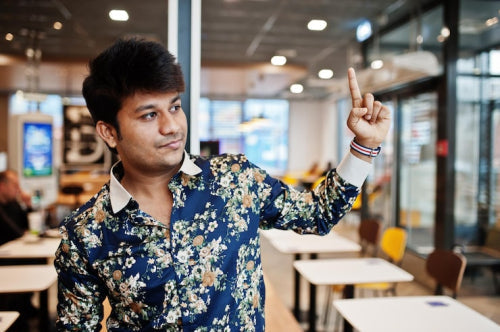
The ethnic wear sector is witnessing substantial expansion, underscoring a worldwide desire for genuine, culturally anchored attire. As per authenticated market insights, the global ethnic wear market was valued at USD 99.5 billion in 2024, anticipated to surge to around USD 185.0 billion by 2034, achieving a compound annual growth rate (CAGR) of 6.4% over the span from 2025 to 2034. This growth stems from heightened worldwide acknowledgment and esteem for cultural variety, bolstered by the proliferation of multicultural events and global travel. Furthermore, expanding diaspora populations worldwide have notably fueled ongoing demand, as these communities frequently pursue traditional clothing to sustain links to their ancestral origins.
Separately, another analysis pegs the market at 93.17 billion USD in 2024, projecting an ascent to 96.60 billion USD in 2025 and further to 133.75 billion USD by 2034, with a CAGR of 3.7%. Propelling forces include escalating disposable incomes, rapid urbanization, and an intensifying fascination with cultural legacy. Shoppers are increasingly drawn to distinctive and conventional outfits that embody their cultural essence and background, fostering robust demand for ethnic garments.
In India specifically, the ethnic wear arena amassed USD 19,093.9 million in revenue during 2023, poised to attain USD 30,448.6 million by 2030, registering a CAGR of 6.9% from 2024 through 2030. Offline channels dominated revenue generation in 2023, while online segments are emerging as the most promising, exhibiting the swiftest growth in the forecast period.
Moreover, the market was assessed at $89.3 billion in 2021, forecasted to escalate to $177.2 billion by 2031, advancing at a CAGR of 7.2% from 2022 to 2031. Offline distribution led in revenue contribution that year. The surge in ethnic wear demand is largely attributed to the burgeoning cadre of fashion influencers globally. The impact of these influencers, particularly micro-influencers delivering relatable and convincing narratives, cannot be understated. They cultivate loyal audiences that value their insights on style and living, prompting brands to forge authentic bonds within social media spheres to engage consumers directly and innovate products attuned to buyer preferences.
Amid this burgeoning environment, consumers grapple with an inundation of selections. Perpetual browsing on vast marketplaces yields innumerable akin kurtas, sarees, and lehengas, frequently mass-manufactured using artificial mixes and dubious provenances. The irony is well-known: abundant choices ought to empower, but they frequently engender indecision, doubt, and forsaken purchases. Herein lies the transformative role of curated marketplaces. Through intentional curtailment of offerings, they cultivate an asset of greater worth assurance.
IndieHaat, a curated e-commerce entity headquartered in Bangalore, distinguishes itself within this domain. It spotlights India's opulent artisanal legacies, collaborating intimately with craftsmen to proffer meticulously chosen handmade clothing, adornments, household embellishments, and handcrafted skincare. Each article endures a stringent vetting to assure superior caliber, cultural veracity, and moral fabrication. The outcome is not an inexhaustible inventory but a deliberate assemblage that honors singular motifs and genuine, unadulterated textiles solely linen, silk, and cotton, procured directly from the artisans who craft them.
Fast fashion erodes cultural heritage, sidelining artisans and reducing traditions to trends. At IndieHaat, we champion India's craftspeople with handcrafted sarees, apparel, décor, and skincare rooted in authenticity. Each piece embodies skill and ethical care. Support artisans and preserve India's timeless legacy Shop Now!
The Paradox of Choice in Ethnic Wear Shopping
Experts in psychology have consistently noted that excessive alternatives can immobilize choices. Upon querying for a handloom saree, a buyer may confront myriad nearly indistinguishable entries, varying merely in cost or ambiguous details. Questions arise: Is the silk authentic? Handwoven or mechanized? Will the hue endure laundering? Absent definitive responses, skepticism emerges.
Curated venues invert this paradigm. By tendering fewer, elevated-standard options, they eradicate distractions and enhance clarity. Consumers cease navigating through mediocrity; they interact with artifacts pre-evaluated for artistry, substance reliability, and narrative depth. This diminution in volume elevates apparent merit and reliability.
To delve deeper, consider the cognitive load imposed by vast arrays. Studies indicate that when faced with over two dozen options, decision quality diminishes, leading to regret or avoidance. In ethnic wear, where authenticity matters profoundly, this overload exacerbates issues, as discerning quality from afar becomes arduous.
How Curation Builds Trust Online
Procuring artisanal ethnic attire digitally presents inherent challenges. One cannot tactilely assess the cloth, scrutinize the interlacing intimately, or observe the garment's fall firsthand. Elevated costs, credibility gaps, and the lack of sensory interaction constitute primary deterrents.
Curated emporiums confront these head-on via openness. For example, IndieHaat prioritizes immediate artisan procurement, enabling traceability to the hamlet, the apparatus, and the creators themselves. High-definition visuals disclose innate discrepancies in manually woven cloths minor asymmetries affirming genuineness over flaws. Explicit affirmations declare complete natural compositions sans artificial compromises. Craftsman biographies furnish insights into their existences and methodologies, transforming acquisitions into modest bonds.
These facets synergistically mitigate the sensory void. With selections purposeful rather than exhaustive, each element bears significance. The purchaser senses selection from premier availabilities, not wagering amidst multitudes.
Transparency Tools in Action
- Visual Aids: Beyond static images, platforms incorporate zoom functions and 360-degree views to simulate in-person inspection.
- Certification Badges: Labels verifying ethical sourcing and material purity bolster credence.
- Community Feedback: Authentic reviews from verified buyers provide social proof, further solidifying trust.
Such strategies not only address objections but also foster loyalty, as shoppers return for the assured experience.
Quality Over Quantity: The Artisan-First Advantage
Large-scale marketplaces flourish on bulk, often favoring economical pricing and rapid cycles. Handmade goods cannot rival on velocity or affordability solely. A tussar silk saree, interlaced across weeks on ancestral looms, necessitates equitable remuneration, elite substances, and deliberate expertise expenditures mirrored in pricing.
Nevertheless, this constitutes the forte of curated frameworks. Concentrating on manually crafted wares straight from artisans, outlets like IndieHaat accentuate what industrialization cannot duplicate: exclusive patterns derived from local customs, pristine textiles that respire and mature elegantly, and principled networks that uplift inventive societies.
Investors uncover that these artifacts yield remarkable endurance. A finely constructed linen kurta mellows with successive cleansings; a handloom cotton saree sustains its chromatic profundity over extended usage. The expenditure per utilization frequently surpasses transient fashion substitutes that degrade, discolor, or disintegrate post-seasonally.
Expanding on sustainability, natural fibers reduce environmental impact compared to synthetics, which contribute to microplastic pollution. By championing artisans, these platforms preserve endangered crafts, ensuring cultural continuity.
Why Shoppers in Key Markets Are Turning to Curation
The craving for ethnic attire transcends India's frontiers. Core territories encompass the United States, Singapore, Australia, the United Kingdom, and the UAE locales boasting dynamic Indian expatriate enclaves and mounting regard for eco-conscious, lineage-oriented style.
Diaspora members pursue vestments that uphold cultural affiliations amid celebrations and life events. Concurrently, international patrons enticed by diverse aesthetics prioritize verity over replicas. Curated venues cater to both demographics by tendering items that resonate authentically instead of factory-duplicated facsimiles.
Social platforms Instagram, Facebook, and YouTube magnify this accessibility. Trendsetters and routine users disseminate tales of revelation, illustrating how a singular, thoughtfully selected saree or dupatta enhances ensembles with essence and purpose.
In these markets, curation aligns with broader trends toward mindful consumption, where buyers seek stories behind products, favoring quality that endures over disposable trends.
Addressing the Price Perception Head-On
A recurring impediment is expenditure. Why invest more when economical variants proliferate?
The resolution resides in comprehending worth. Artisanal sarees encompass proficient toil, venerable practices, and exceptional components. They defy fads, evolving into essential garments that accrue persona rather than diminishing allure. Conversely, rapid-fashion ethnic garb typically depends on composite synthetics that impair ease, ventilation, and resilience.
Within a progressively expanding market, patrons progressively acknowledge that bolstering artisans safeguards vibrant customs whilst yielding artifacts meriting preservation. The preliminary cost embodies artistry, not inflation.
To quantify, consider lifecycle analysis: A $200 handcrafted piece worn 100 times costs $2 per wear, versus a $50 synthetic worn 10 times at $5 per wear plus ethical dividends.
Common Questions About Curated Ethnic Wear Shopping
Curated hubs like IndieHaat frequently elicit comparable queries.
- Why are handcrafted items pricier than mass alternatives?Fair artisan compensation, premium natural fibers, and labor-intensive processes drive the cost but superior durability means lower long-term expense.
- How can I trust quality without touching the product?Detailed photography, material transparency, artisan stories, and supportive return policies create confidence. Videos and close-ups of looms in use add further reassurance.
- Are natural-fiber pieces truly better?Pure linen softens over time, silk holds luster across seasons, and high-grade cotton maintains vibrancy. These fabrics regulate temperature and resist wear far better than synthetics.
These responses demystify curation, empowering informed decisions.
A More Confident Way to Celebrate Heritage
In a time of boundless virtual corridors, curation appears nearly contrary yet it manifests as emancipating. By constricting emphasis to veritable, craftsman-forged ethnic attire, platforms aid consumers in transcending bewilderment toward purposeful selections.
For individuals aspiring to venerate India's weaving patrimony whilst assembling a deliberate closet, the trajectory is more lucid than previously. Scarcity indeed equates to abundance when each artifact narrates a tale deserving credence. As the ethnic wear domain perpetuates its ascendant path, curated marketplaces remain primed to steer purchasers toward apparels that link, persist, and motivate.
Frequently Asked Questions
What is a curated marketplace for ethnic wear and how does it differ from regular online shopping?
A curated marketplace for ethnic wear is an online platform that offers a carefully selected, limited collection of handcrafted, artisan-made clothing rather than overwhelming buyers with thousands of mass-produced options. Unlike conventional marketplaces that prioritize quantity, curated platforms like IndieHaat focus on quality, authenticity, and transparency featuring only natural fabrics (linen, silk, cotton) sourced directly from artisans. This intentional reduction in choice helps eliminate decision paralysis and builds buyer confidence through rigorous vetting of each product's quality, cultural authenticity, and ethical production.
Why is handmade ethnic wear more expensive than mass-produced alternatives?
Handcrafted ethnic wear commands higher prices because it reflects fair artisan compensation, premium natural fibers, and labor-intensive traditional weaving processes that can take weeks to complete. However, the superior durability and timeless quality of handloom pieces mean they offer better long-term value a well-made linen kurta or tussar silk saree softens and improves with age, maintaining color vibrancy and structural integrity far longer than synthetic fast-fashion alternatives that fade, pill, or deteriorate after minimal use. The initial investment supports living artisan communities and preserves endangered cultural crafts.
How can I trust the quality of ethnic wear when shopping online without physically touching the fabric?
Curated ethnic wear platforms build trust through multiple transparency measures including high-resolution photography with zoom and 360-degree views, detailed material specifications confirming 100% natural fiber composition, artisan biographies that trace products to specific villages and looms, and certification badges verifying ethical sourcing. Many platforms also provide videos showing the weaving process, authentic customer reviews from verified buyers, and generous return policies. These tools collectively bridge the sensory gap of online shopping, giving buyers confidence that minor variations in handwoven fabrics are marks of authenticity rather than defects.
Disclaimer: The above helpful resources content contains personal opinions and experiences. The information provided is for general knowledge and does not constitute professional advice.
You may also be interested in: Ethnic Wear Options for Women in India - Indiehaat.com
Fast fashion erodes cultural heritage, sidelining artisans and reducing traditions to trends. At IndieHaat, we champion India's craftspeople with handcrafted sarees, apparel, décor, and skincare rooted in authenticity. Each piece embodies skill and ethical care. Support artisans and preserve India's timeless legacy Shop Now!
Powered by flareAI.co