Why Every Woman Needs a Handcrafted Saree in Her Closet
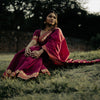
In wardrobes across the United States, Canada and major European cities, handcrafted sarees are quietly claiming a permanent place. Far from being reserved for cultural festivals or formal occasions, these timeless pieces woven by skilled artisans using pure linen, silk and cotton are becoming versatile staples that blend heritage with contemporary style. As sustainable fashion gains momentum among conscious consumers, handloom sarees offer an authentic alternative to fast fashion, combining ethical production with unique designs that stand apart from anything mass-produced.
Curated platforms like IndieHaat connect buyers directly to artisans in India, ensuring every garment carries genuine craftsmanship and supports creative communities. For women seeking meaningful additions to their closets, these sarees deliver elegance rooted in tradition while addressing modern values of sustainability and individuality.
Fast fashion erodes cultural heritage, sidelining artisans and reducing traditions to trends. At IndieHaat, we champion India's craftspeople with handcrafted sarees, apparel, décor and skincare rooted in authenticity. Each piece embodies skill and ethical care. Support artisans and preserve India's timeless legacy Shop Now!
The Unique Appeal of Handcrafted Sarees
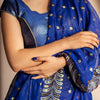
Handcrafted sarees distinguish themselves through human artistry. Each Tussar saree or linen drape features subtle variations in texture and weave marks of individual looms and natural processes that machines cannot replicate. Pure fabrics only linen for breathability, silk for luxurious flow, cotton for everyday comfort ensure comfort and longevity without synthetic compromises.
This authenticity resonates deeply in the US, Canada and Europe, where shoppers increasingly prioritize pieces with stories. Diaspora communities maintain strong ties to Indian heritage, wearing handloom sarees at weddings, cultural gatherings, or reimagined in fusion outfits. Beyond these circles, broader audiences embrace them as sustainable luxury items that align with slow fashion principles.
Growing Interest in Sustainable and Cultural Fashion
The global handloom products market continues to expand, valued at USD 8.32 billion in 2024, with Asia Pacific holding a 55.77% share, driven by demand for sustainable, unique and culturally significant items. In Western markets, this momentum appears through rising appreciation for artisanal textiles and ethical sourcing.
North America and Europe stand out as fast-growing regions for such products. Consumers here value handmade quality, natural materials and low environmental impact qualities handloom sarees embody naturally. Social media platforms like Instagram, Facebook and YouTube amplify visibility, with influencers and everyday wearers sharing styling ideas, artisan backgrounds and care routines that foster trust and excitement.
How Handcrafted Sarees Fit Modern Wardrobes
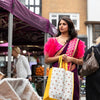
Adaptability defines their appeal across target regions. In the US and Canada, women pair handloom sarees with tailored blazers for professional events or style them casually over jeans for weekend outings. European fashion scenes incorporate them into multicultural wardrobes, blending traditional drapes with contemporary accessories for gallery openings, dinners, or festivals.
During wedding seasons or holiday celebrations, these sarees shine as statement pieces. Versatile options from lightweight linen for summer to richly textured Tussar for cooler months make them practical year-round choices. Pre-draped or ready-to-wear variations ease adoption for those new to the style, while classic draping preserves cultural depth for those who cherish tradition.
Addressing Practical Concerns
Higher pricing often raises questions, as handloom production demands time, skill and fair wages for artisans. Yet durability frequently outweighs the initial cost: these sarees become heirlooms, retaining beauty and value over years of wear, unlike fast-fashion alternatives that fade quickly.
Without physical touch, authenticity concerns are common. Reputable marketplaces counter this with high-resolution images revealing weave details, artisan profiles sharing personal stories and transparent sourcing information. Customer reviews from similar regions, generous return policies and clear fabric descriptions build confidence for first-time buyers.
Maintenance proves straightforward gentle hand washing with mild detergents preserves colors and fibers far better than aggressive dry cleaning, ensuring pieces remain vibrant for seasons to come.
Opportunities in Ethical and Conscious Consumption
E-commerce bridges distances effectively. Platforms like IndieHaat, alongside broader marketplaces, provide global access with detailed storytelling that resonates on social channels. Customization options selecting specific fabrics or subtle design tweaks appeal to personalized tastes in the US, Canada and Europe.
Sustainability drives purchases in these markets, where eco-conscious shoppers seek low-impact alternatives. Handcrafted sarees, made with minimal energy and natural materials, position perfectly as ethical luxuries that support artisan livelihoods while reducing textile waste.
Embracing Heritage in Everyday Life
A handcrafted saree represents more than fabric it embodies investment in cultural preservation, human skill and intentional dressing. In the US, Canada and across Europe, women discover how these pieces enrich wardrobes with depth and purpose, offering elegance that feels both timeless and timely.
As preferences lean toward authenticity, sustainability and meaningful origin stories, handloom sarees emerge as essential choices. Exploring one through a trusted source may reveal not just beautiful attire, but a daily connection to enduring craftsmanship and global creative communities.
Frequently Asked Questions
Why are handcrafted sarees considered a sustainable fashion choice?
Handcrafted sarees are made using natural materials like linen, silk and cotton with minimal energy consumption, making them a low-impact alternative to fast fashion. Unlike mass-produced garments, they are woven by skilled artisans using traditional handloom techniques, supporting ethical production and fair wages. Their durability means they last for years even becoming heirlooms significantly reducing textile waste compared to cheaply made, fast-fashion alternatives.
How can women in the US, Canada and Europe style handloom sarees for everyday wear?
Handloom sarees are surprisingly versatile for modern Western wardrobes. They can be paired with tailored blazers for professional settings, draped casually over jeans for weekend outings, or accessorized with contemporary pieces for events like gallery openings and festivals. Pre-draped and ready-to-wear options also make them accessible for those new to the style, while lightweight linen varieties work well for summer and richly textured Tussar sarees suit cooler months.
Are handcrafted sarees worth the higher price compared to regular clothing?
Yes while handloom sarees carry a higher upfront cost, their value lies in their longevity, craftsmanship and cultural significance. Each piece is uniquely woven by artisans, meaning no two sarees are identical and pure natural fabrics ensure lasting comfort and beauty through years of wear. Rather than fading like fast-fashion items, a quality handcrafted saree often becomes a cherished heirloom, making it a meaningful long-term investment in both style and ethical consumption.
Disclaimer: The above helpful resources content contains personal opinions and experiences. The information provided is for general knowledge and does not constitute professional advice.
You may also be interested in: Saree as a Key Element in Indian Attire - Indiehaat.com
Fast fashion erodes cultural heritage, sidelining artisans and reducing traditions to trends. At IndieHaat, we champion India's craftspeople with handcrafted sarees, apparel, décor and skincare rooted in authenticity. Each piece embodies skill and ethical care. Support artisans and preserve India's timeless legacy Shop Now!
Powered by flareAI.co