
Why Handmade Fashion Is Making a Strong Comeback
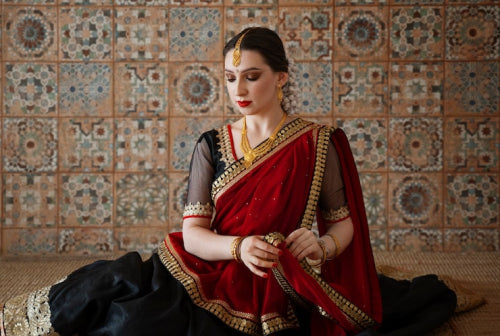
In an era dominated by fast fashion and digital perfection, there is a growing appreciation for the value of human-made work. Imperfection, tactility and the maker's hand are becoming newly aspirational. This shift is evident in the renewed interest in artisan-crafted garments that tell personal stories, support traditional crafts and promote mindful consumption.
The handmade fashion comeback is not merely a passing trend but a cultural movement driven by consumers who seek authenticity in a world of uniformity. Whether you are drawn to block-printed textiles or naturally dyed fabrics, the pieces carry the essence of the people who created them.
Fast fashion erodes cultural heritage, sidelining artisans and reducing traditions to trends. At IndieHaat, we champion India's craftspeople with handcrafted sarees, apparel, décor, and skincare rooted in authenticity. Each piece embodies skill and ethical care. Support artisans and preserve India's timeless legacy Shop Now!
The Rise of Tactile Handmade Creativity
As artificial intelligence and digital perfection dominate many aspects of modern life, there is a powerful counter-movement toward handmade, tactile crafts that emphasize authenticity, imperfection and human connection in fashion and beyond. Creators are turning hobbies like crochet, scrapbooking and custom embellishment into influential platforms, inspiring consumers to value the maker's hand and the stories embedded in each piece.
This shift resonates strongly with younger generations seeking slowness, sustainability and self-expression amid fast fashion fatigue and algorithmic sameness. The result is increased demand for unique, handcrafted items that stand out through their humanity. Rise of tactile handmade creativity reflecting a broader cultural yearning for analogue experiences that foster creativity and mindfulness. For handmade fashion businesses, this creates opportunities to highlight artisan skills, offer customizable or story-rich products, and build communities around shared appreciation for quality craftsmanship. The trend positions handmade not as a niche but as a luxurious, aspirational choice that counters mass production's environmental toll and emotional disconnect.
Pinterest data shows significant growth in searches for craft-related hobbies, rise of tactile handmade creativity. This shift resonates strongly with younger generations seeking slowness, sustainability and self-expression amid fast fashion fatigue and algorithmic sameness. The result is increased demand for unique, handcrafted items that stand out through their humanity.
For handmade fashion businesses, this creates opportunities to highlight artisan skills, offer customizable or story-rich products, and build communities around shared appreciation for quality craftsmanship. The trend positions handmade not as a niche but as a luxurious, aspirational choice that counters mass production's environmental toll and emotional disconnect.
Global Designers Embracing Homespun and Handmade Elements
Fashion designers around the world are elevating homespun and handmade elements into high-end luxury, embracing imperfections like natural irregularities in handwoven fabrics as desirable features rather than flaws. Labels are drawing from traditional techniques such as block printing, ikat weaving, natural dyeing and hand embroidery to create expressive, gender-fluid pieces that blend workwear functionality with artistic flair.
This trend is driven by a desire for authenticity, sustainability and traceability, with brands highlighting stories from farm to finished garment and ensuring fair compensation for makers. Consumers are responding enthusiastically to clothing that feels personal and rebellious against fast fashion's uniformity, seeking items with visible human touch and cultural narratives.
Ultimately, handmade fashion is becoming a statement of individuality and values, allowing wearers to express personality through unique details while contributing to the preservation of craft heritage and more responsible industry standards.
Handmade Fashion in the Indian Context
Indian artisans have long been masters of techniques that produce garments with inherent character. From hand-embroidered kurtis to ikat-dyed shawls, these pieces reflect centuries of craft heritage passed down through generations. Modern designers are reviving these skills while adapting them for contemporary wardrobes, creating collections that feel both rooted and forward-looking.
Platforms that source directly from craftspeople in regions like Tamil Nadu and Karnataka play a crucial role in this revival. By connecting buyers with the artisans themselves, these marketplaces allow consumers to see the process, appreciate the effort and understand the cultural significance behind each item. The result is clothing that is not only beautiful but also meaningful.
Consumers in India are increasingly drawn to garments that support local economies and celebrate traditional crafts. This aligns perfectly with the global handmade fashion comeback, where authenticity and ethical production have emerged as key selling points.
Consumer Behavior Driving the Handmade Fashion Comeback
Consumers today are moving away from the throwaway culture of fast fashion toward purchases that last longer and mean more. This change is fueled by a desire for pieces that can be customized, repaired or even upcycled, turning clothing into part of a personal story rather than a disposable item.
Younger buyers in particular are prioritizing brands that emphasize sustainability and transparency. They want to know where the fabric came from, who made it and how it was produced. Handmade fashion satisfies these needs by placing the human element at the center of the experience.
The benefits of handmade clothing extend beyond aesthetics. Garments often feature higher quality construction, using durable materials and thoughtful design that stands up to repeated wear. This longevity reduces the frequency of purchases and supports a more circular economy.
Challenges and Opportunities in Handmade Fashion
Despite its appeal, the handmade fashion industry faces challenges. Each piece is unique, which can make consistent sizing and production planning more complex than with mass-produced alternatives. Additionally, the time-intensive nature of many crafts can affect pricing and scalability.
However, these challenges also present opportunities. Brands that embrace imperfection as a feature rather than a flaw, like those embracing the “chatter” in handwoven fabric as a design element, have found success by leaning into authenticity. Consumers value the uniqueness and often pay a premium for pieces that tell a story.
Opportunities also lie in technology and direct-to-consumer models. Online marketplaces can help artisans reach global audiences while providing real-time feedback on products. This collaboration ensures that handmade fashion remains relevant and accessible without losing its soul.
Practical Benefits and the Future of Handmade Fashion
The practical benefits of choosing handmade fashion are clear. Beyond the environmental gains from reduced waste and lower transportation emissions, the clothing carries emotional weight. Wearing a piece made by hand connects you to the craftsperson, the community and the traditions that shaped it.
As the handmade fashion comeback continues, we can expect to see even more innovation. Designers are experimenting with regenerative materials, hybrid techniques that blend old methods with new technologies, and collaborative projects that involve multiple artisans from different regions. The result will be collections that are both culturally rich and forward-thinking.
Whether you are a fashion enthusiast, a conscious consumer or simply someone who appreciates quality craftsmanship, the comeback of handmade fashion offers a compelling alternative to the fast-paced, disposable world of modern retail. It reminds us that true style is not only about what you wear but who made it and why.
Frequently Asked Questions
Why is handmade fashion making a strong comeback in the fashion industry?
Handmade fashion is making a comeback because consumers are seeking authenticity, sustainability, and unique clothing with a personal story. Unlike fast fashion, handcrafted garments offer human connection, traditional craftsmanship, and individuality that appeal to modern shoppers.
What are the benefits of choosing handmade clothing over fast fashion?
Handmade clothing offers benefits such as higher quality construction, longer-lasting materials, and more sustainable production practices. These garments support artisans, reduce waste, and allow consumers to wear pieces that reflect personal style and ethical values.
How are traditional crafts influencing modern handmade fashion trends?
Traditional techniques like hand embroidery, ikat weaving, block printing, and natural dyeing are influencing modern handmade fashion by adding cultural depth and artistic expression. Designers are combining these heritage skills with contemporary styles to create unique, sustainable, and story-rich garments.
Disclaimer: The above helpful resources content contains personal opinions and experiences. The information provided is for general knowledge and does not constitute professional advice.
You may also be interested in: A Rooted Revival: Traditional Woven Saris Get a Gen Z Twist
Fast fashion erodes cultural heritage, sidelining artisans and reducing traditions to trends. At IndieHaat, we champion India's craftspeople with handcrafted sarees, apparel, décor, and skincare rooted in authenticity. Each piece embodies skill and ethical care. Support artisans and preserve India's timeless legacy Shop Now!
Powered by flareAI.co