
Artisan Cooperatives Driving Economic Growth in Handicraft Villages
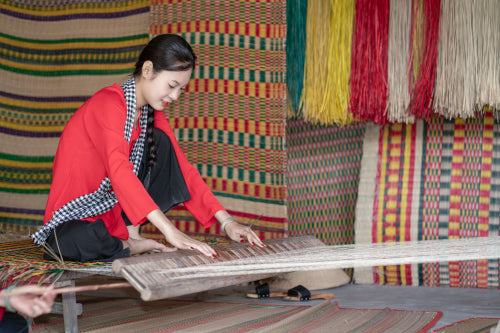
Artisan cooperatives have become a powerful force in revitalising rural economies across India's handicraft villages. By organising craftspeople into collective structures, these groups are enabling fairer income distribution, skill preservation, and sustainable livelihoods while keeping traditional knowledge alive for future generations.
Fast fashion erodes cultural heritage, sidelining artisans and reducing traditions to trends. At IndieHaat, we champion India's craftspeople with handcrafted sarees, apparel, décor, and skincare rooted in authenticity. Each piece embodies skill and ethical care. Support artisans and preserve India's timeless legacy Shop Now!
The Role of Cooperatives in Organising Artisans
In many handicraft villages, individual artisans often work informally and face challenges such as exploitation by middlemen, inconsistent market access, and limited bargaining power. Cooperatives address these issues by bringing producers together under a democratic model. This structure allows members to pool resources for bulk purchases of raw materials, share marketing efforts, and develop collective strategies that strengthen their position in the value chain.
Through cooperatives, artisans gain direct access to consumers and businesses, ensuring that a greater share of profits remains within the community. This collective approach transforms fragmented production into more resilient enterprises capable of competing in both domestic and international markets.
The cooperative model has been widely recognised as a transformative tool for strengthening India's artisan economy. According to cooperatives in India's artisan sector, these organisations operate as democratic structures that protect livelihoods while enabling economic advancement in handicraft villages. By pooling resources for raw material procurement, collective marketing, and skill development, artisans are able to overcome the limitations of informal work systems. This approach reduces dependency on intermediaries, improves bargaining power, and ensures that a larger share of income remains within artisan communities. Beyond economics, cooperatives also foster leadership opportunities, support women-led initiatives, and create pathways for sustainable development rooted in traditional craftsmanship. Over time, these collective systems have evolved into structured enterprises capable of securing consistent orders, adopting improved technologies, and building stronger market linkages, all while preserving cultural heritage.
Empowering Women and Marginalised Communities
Many successful cooperatives in India's artisan sector are led by women, creating meaningful opportunities for financial independence and social recognition. In regions like Gujarat, women-led groups have evolved from small-scale initiatives into sophisticated enterprises engaged in diverse crafts such as block printing, appliqué, and embroidery.
These cooperatives provide safety nets during economic uncertainties and facilitate access to government schemes and training programmes. By enabling women to participate actively in the workforce, they contribute to broader goals of gender inclusion and community resilience.
Preserving Heritage While Fostering Innovation
Handicrafts represent a vital link to cultural heritage, yet traditional skills risk being lost amid modernisation and competition from mass-produced goods. Cooperatives play a crucial role in documenting traditional designs, protecting intellectual property, and blending heritage techniques with contemporary market demands.
Through collaborations with design institutes and capacity-building initiatives, these groups upgrade equipment, refine production processes, and create high-quality products that appeal to discerning buyers. This balance of preservation and innovation helps retain talent in rural areas and reduces urban migration.
Economic Impact in Handicraft Villages
By focusing on the entire value chain from sourcing materials to branding and sales cooperatives enable artisans to move beyond subsistence work toward entrepreneurial models. This shift generates multiplier effects within local economies, supporting ancillary services, tourism, and infrastructure development in handicraft clusters.
Artisans benefit from higher and more stable incomes, while communities gain from shared prosperity. The democratic governance of cooperatives ensures decisions prioritise long-term sustainability over short-term gains, building resilience against market fluctuations.
Challenges and Opportunities Ahead
Despite their successes, artisan cooperatives face ongoing hurdles such as limited access to finance, technology gaps, and fragmented supply chains. Addressing these requires continued policy support, investment in skill development, and stronger linkages between producers and markets.
Policy frameworks for the handicrafts sector emphasise the central role of collective organisation in sustaining rural livelihoods and cultural industries. As highlighted in the national handicrafts policy framework, cooperatives are essential for improving artisan's access to markets, finance, and technology while ensuring fair returns for their labour. The policy underscores how structured producer organisations enable value-chain development from raw material sourcing to branding and exports helping artisans transition from subsistence production to scalable enterprises. It also points to the importance of cluster development, which attracts infrastructure investment, tourism, and supporting industries, thereby multiplying local economic benefits. At the same time, the framework stresses the need for preserving traditional knowledge through documentation and intellectual property protection, ensuring that cultural heritage is not lost in the process of modernisation. These combined efforts position cooperatives as key drivers of inclusive growth and long-term sector sustainability.
Opportunities lie in expanding ethical and sustainable practices that resonate with conscious consumers. As demand grows for authentic, handcrafted goods with transparent origins, well-organised cooperatives are ideally positioned to meet these expectations while upholding fair trade principles.
Connecting Consumers with Artisan Stories
Platforms like IndieHaat play an important role in bridging the gap between rural artisans and global audiences. By curating products sourced directly from craftspeople and cooperatives, such marketplaces help tell the stories behind each piece and ensure that purchases contribute meaningfully to community development.
Shoppers seeking genuine handmade Indian apparel, accessories, and home décor can support this ecosystem by choosing items that honour traditional craftsmanship and empower the makers.
Building a Sustainable Future for Indian Handicrafts
The cooperative movement in Indian crafts demonstrates how organised collective action can drive inclusive growth. By strengthening producer-owned enterprises, these models not only improve artisan incomes but also conserve cultural heritage and foster vibrant rural economies.
As more stakeholders recognise the value of this approach, the potential for handicraft villages to thrive as creative industry hubs continues to expand. Supporting artisan cooperatives represents a meaningful way for businesses and consumers alike to contribute to sustainable development rooted in tradition and community strength.
artisan cooperatives are quietly transforming India's handicraft landscape. Their success highlights the power of collaboration in creating economic opportunities while preserving the rich cultural tapestry that defines Indian craftsmanship. Through continued support and market connections, these efforts promise a brighter, more equitable future for generations of artisans.
Frequently Asked Questions
What is the economic impact of artisan cooperatives on rural handicraft villages?
Artisan cooperatives strengthen rural economies by transforming informal craft work into structured, sustainable enterprises. They help artisans achieve more stable incomes while supporting local industries such as tourism, infrastructure, and supply chains. Over time, this collective model promotes long-term economic growth and resilience in handicraft villages.
What are artisan cooperatives and how do they support handicraft villages in India?
Artisan cooperatives are collective organisations that bring craftspeople together to improve coordination, bargaining power, and access to markets. In Indian handicraft villages, they help artisans pool resources for raw materials, marketing, and skill development. This reduces dependency on middlemen and ensures fairer income distribution within artisan communities.
How do artisan cooperatives empower women and marginalized communities in the handicraft sector?
Artisan cooperatives create opportunities for women and marginalized groups by promoting financial independence and leadership roles. Many women-led cooperatives in India have grown into successful enterprises involved in traditional crafts like embroidery and block printing. They also provide access to training programs, government schemes, and social recognition within their communities.
Disclaimer: The above helpful resources content contains personal opinions and experiences. The information provided is for general knowledge and does not constitute professional advice.
You may also be interested in: The Economic Impact of Indias Handicraft Sector in Rural
Fast fashion erodes cultural heritage, sidelining artisans and reducing traditions to trends. At IndieHaat, we champion India's craftspeople with handcrafted sarees, apparel, décor, and skincare rooted in authenticity. Each piece embodies skill and ethical care. Support artisans and preserve India's timeless legacy Shop Now!
Powered by flareAI.co