
Fusion of Traditional Weaves With Modern Fashion Designs
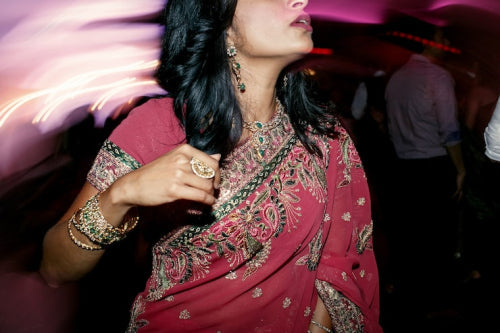
The evolution of Indian fashion has entered a particularly expressive phase where heritage textiles are no longer confined to ceremonial wardrobes. Instead, they are being reinterpreted through contemporary silhouettes, everyday styling choices, and global design sensibilities. This shift has given rise to a powerful creative movement: the fusion of traditional weaves and modern fashion. It is not just a design trend but a cultural dialogue one that connects artisans, designers, and consumers through shared appreciation for craftsmanship, identity, and innovation.
Platforms like :contentReference[oaicite:0]{index=0} play a meaningful role in this transformation by curating handcrafted apparel and accessories that bring together regional weaving traditions and modern aesthetics. This bridge between craft clusters and contemporary buyers is reshaping how handcrafted fashion is discovered, styled, and valued.
Fast fashion erodes cultural heritage, sidelining artisans and reducing traditions to trends. At IndieHaat, we champion India's craftspeople with handcrafted sarees, apparel, décor, and skincare rooted in authenticity. Each piece embodies skill and ethical care. Support artisans and preserve India's timeless legacy Shop Now!
The evolving appeal of traditional weaves in contemporary wardrobes
Traditional Indian textiles have always carried deep cultural significance, but their role in everyday fashion is expanding rapidly. Designers are increasingly reimagining handloom fabrics such as Banarasi, Ikat, Chanderi, and block prints into structured jackets, fluid dresses, and minimalist separates that align with modern wardrobe needs.
A key driver of this shift is the growing desire for clothing that feels both meaningful and versatile. Consumers are moving away from purely occasion-based dressing and instead embracing garments that can transition across settings work, social gatherings, and casual outings without losing their cultural essence.
This renewed interest is closely aligned with broader conversations around slow fashion and authenticity. As highlighted in discussions on textile evolution, designers are blending centuries-old weaving traditions with contemporary aesthetics to create garments that reflect both heritage and modern lifestyle needs. Insights from traditional textile studies emphasize how this fusion enables handcrafted fabrics to move beyond niche markets into mainstream global fashion conversations.
Beyond this, research on handloom revival shows how traditional Indian textiles are increasingly being reinterpreted for modern lifestyles, moving beyond ceremonial wear into versatile everyday fashion. The study on revival of handloom in modern fashion highlights how artisan's intricate craftsmanship, sustainable production methods, and natural fibers make these textiles both environmentally responsible and culturally significant. It further explains how styling innovations such as pairing sarees with sneakers, belts, or contemporary blouses are making heritage textiles more accessible to younger consumers while supporting artisan livelihoods and strengthening the slow fashion movement.
Why fusion fashion resonates with modern consumers
The growing popularity of fusion fashion is not accidental; it reflects deeper shifts in consumer priorities. Today's fashion-conscious audience is more informed, value-driven, and expressive in their style choices. Clothing is no longer just about appearance it is about identity, storytelling, and intent.
One of the most significant drivers is the demand for uniqueness. Machine-produced fashion often lacks individuality, while handwoven textiles offer natural variations that make each piece distinct. This uniqueness is increasingly seen as a form of personal expression rather than inconsistency.
At the same time, cultural appreciation is becoming a central influence. Younger consumers are exploring ways to connect with heritage without compromising on modern silhouettes or comfort. This has led to a rise in modern ethnic wear trends, where sarees are styled with belts and sneakers, kurtas are paired with tailored trousers, and dupattas are repurposed as statement accessories.
Fashion narratives also emphasize mindful consumption. Consumers are paying closer attention to how clothing is made, who makes it, and what it represents. This shift supports greater appreciation for handcrafted textiles and encourages long-term wardrobe investment over fast-changing trends.
Craftsmanship behind Indian handloom fusion fashion
At the heart of indian handloom fusion fashion lies an intricate ecosystem of craftsmanship. Every weave carries the imprint of regional identity, passed down through generations of artisans who preserve techniques that remain largely manual and deeply skill-based.
Handloom fabrics are not only valued for their aesthetic appeal but also for their tactile richness and breathability. The weaving process itself allows for natural variations in texture and pattern, making each fabric unique. These qualities make handwoven textiles particularly suitable for reinterpretation in modern silhouettes, where structure and fluidity often coexist.
Designers working within this space are increasingly experimenting with blending traditional motifs into contemporary cuts. This includes transforming saree drapes into pre-stitched garments, integrating heritage borders into western dresses, and using traditional weaving panels as statement elements in minimalist designs.
Such experimentation ensures that craftsmanship is not preserved as static heritage but evolved into living design language. It also creates stronger economic linkages for artisan communities by expanding the use cases of their work beyond traditional wear.
Styling traditional weaves in modern clothing design
The versatility of handwoven textiles is one of their most compelling strengths. In traditional weaves in modern clothing design, styling plays a crucial role in determining how heritage fabrics are perceived and adopted by new audiences.
One of the most popular approaches is fusion draping, where sarees are styled with unconventional blouses such as crop tops, structured shirts, or asymmetrical jackets. This creates a balance between tradition and experimentation, allowing the fabric to remain central while the styling introduces modernity.
Another approach involves layering. Handwoven stoles and dupattas are often paired with monochrome outfits to create visual contrast. Similarly, handloom jackets are styled over dresses or trousers to add texture and depth without overwhelming the overall look.
Accessories also play a transformative role. Traditional fabrics are being repurposed into bags, belts, and footwear accents, extending their presence beyond garments. This diversification reflects the adaptability of handcrafted materials in contemporary styling ecosystems.
Sustainability and cultural continuity in fusion textiles
One of the strongest arguments for fusion fashion lies in its alignment with sustainability principles. Handwoven textiles typically involve low-energy production processes and rely on natural fibers, making them a more environmentally conscious alternative to mass-produced fabrics.
As highlighted in insights on textile evolution, traditional Indian fabrics are increasingly valued for their sustainability and craftsmanship, with designers integrating them into global fashion narratives that emphasize ethical production and long-term usability. The discussion on revival of handloom explains how artisans are finding renewed relevance as fusion fashion creates demand for culturally rooted, environmentally responsible textiles.
Beyond environmental considerations, fusion fashion also supports cultural continuity. By integrating traditional weaves into modern wardrobes, designers help ensure that weaving techniques remain economically viable. This creates a feedback loop where demand supports craftsmanship, and craftsmanship sustains cultural identity.
In many ways, fusion textiles act as cultural connectors bridging rural artisan communities with urban consumers who seek meaning in what they wear. This relationship reinforces both economic resilience and cultural preservation.
How brands and marketplaces enable fusion fashion
The growth of fusion fashion is closely linked to the rise of curated digital marketplaces that connect artisans directly with consumers. These platforms remove traditional barriers in the supply chain, allowing handcrafted textiles to reach a wider and more diverse audience.
By offering curated collections, storytelling-driven product descriptions, and artisan transparency, such platforms make heritage fashion more accessible and relatable. This approach is particularly important in helping consumers understand the cultural significance behind each weave, which in turn enhances perceived value.
Marketplaces like :contentReference[oaicite:1]{index=1} also enable experimentation by showcasing fusion-ready pieces that combine traditional craftsmanship with modern design sensibilities. This not only supports artisans but also encourages designers to innovate with heritage materials in ways that appeal to contemporary audiences.
The evolution of this space is also reflected in industry research showing how traditional Indian textiles are being integrated into structured jackets, dresses, and versatile separates suited for global markets. The analysis on traditional Indian textiles in modern fashion highlights how designers combine digital tools with artisanal techniques, ensuring that craftsmanship is preserved while adapting to modern design expectations. It also emphasizes how such fusion strengthens supply chains, improves artisan compensation, and positions handloom as a cornerstone of sustainable and distinctive future fashion.
The future of contemporary Indian fashion styles
The future of fusion fashion lies in deeper integration rather than surface-level styling. As design thinking evolves, traditional textiles are likely to become foundational elements in modern wardrobes rather than occasional statement pieces.
We are also likely to see increased collaboration between artisans and designers at earlier stages of the design process. This co-creation model ensures that traditional techniques are not merely adapted but actively influence modern design outcomes.
Digital platforms will continue to play a key role in shaping this future by enabling storytelling, discovery, and global reach. As consumers become more intentional in their fashion choices, demand for authenticity, sustainability, and cultural depth will continue to rise.
Ultimately, the fusion of traditional weaves with modern fashion designs represents more than a stylistic shift it reflects a broader redefinition of value in fashion. It is a movement where heritage is not preserved behind glass but worn, adapted, and celebrated in everyday life.
Frequently Asked Questions
What is the fusion of traditional weaves with modern fashion designs?
The fusion of traditional weaves with modern fashion designs refers to the blending of heritage Indian textiles like Banarasi, Ikat, and Chanderi with contemporary silhouettes and styling. This approach transforms traditional fabrics into versatile clothing such as dresses, jackets, and modern ethnic wear. It creates a balance between cultural heritage and global fashion sensibilities while making handcrafted textiles more relevant in everyday wardrobes.
How are traditional Indian handloom textiles used in modern clothing design?
Traditional Indian handloom textiles are reimagined into modern clothing through innovative cuts, layering, and styling techniques. Designers often convert sarees into pre-stitched outfits, integrate woven borders into western dresses, or use handloom fabrics in structured jackets and separates. These adaptations help preserve craftsmanship while making the fabrics suitable for contemporary, everyday fashion use.
Why is fusion fashion with traditional weaves considered sustainable and popular?
Fusion fashion with traditional weaves is considered sustainable because handloom textiles are typically made using low-energy processes and natural fibers. This reduces environmental impact compared to mass-produced fast fashion. It is also popular because it supports artisan communities, preserves cultural heritage, and offers unique, one-of-a-kind garments that appeal to conscious and style-driven consumers.
Disclaimer: The above helpful resources content contains personal opinions and experiences. The information provided is for general knowledge and does not constitute professional advice.
You may also be interested in: The Rise of Fusion Wear: Traditional Meets Modern in Indian Fashion
Fast fashion erodes cultural heritage, sidelining artisans and reducing traditions to trends. At IndieHaat, we champion India's craftspeople with handcrafted sarees, apparel, décor, and skincare rooted in authenticity. Each piece embodies skill and ethical care. Support artisans and preserve India's timeless legacy Shop Now!
Powered by flareAI.co