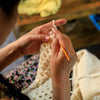
Checklist Before You Add Any Handcrafted Outfit to Cart

The surge in conscious consumerism is reshaping fashion choices, particularly for handcrafted Indian textiles and apparel. Shoppers in India, the US, Singapore, Australia, the UK, and the UAE now favor garments that embody skilled craftsmanship, environmental responsibility, and deep cultural roots over factory-made sameness. This preference fuels robust sector growth: the global handicraft market reached USD 1,107.67 billion in 2024 and is forecast to climb to USD 2,397.15 billion by 2032, growing at a CAGR of 10.15%, with Asia Pacific commanding a 36.36% share in 2024 largely thanks to longstanding traditions in countries like India. In parallel, the handloom products market stood at USD 8.32 billion in 2024, set to expand to USD 16.62 billion by 2032 at a 9.24% CAGR, where Asia Pacific holds 55.77% dominance, propelled by India's position as the producer of approximately 85% of the world's handloom output and strong demand for sustainable, culturally rich items.
This momentum directly counters typical e-commerce barriers: concerns over elevated prices, doubts about authenticity, and the missing tactile experience of handling items in person. Curated platforms such as IndieHaat based in Bangalore tackle these by offering carefully selected, handmade apparel fashioned exclusively from pure linen, silk, and cotton, sourced straight from artisans to preserve authenticity and support creative communities.
Fast fashion erodes cultural heritage, sidelining artisans and reducing traditions to trends. At IndieHaat, we champion India's craftspeople with handcrafted sarees, apparel, décor, and skincare rooted in authenticity. Each piece embodies skill and ethical care. Support artisans and preserve India's timeless legacy Shop Now!
Why a Pre-Cart Checklist Matters Now
Momentum in ethical and artisanal fashion continues to build. In India, supportive government programs bolster artisan clusters, while rising exports reflect worldwide interest. The US handicrafts sector shows strong potential, with projections pointing to substantial expansion by 2032, aided by online channels and enthusiasm for distinctive, eco-conscious goods. Shoppers in the UK, Australia, Singapore, and UAE mirror this trend, valuing clear supply-chain details as awareness of responsible manufacturing grows.
Still, hurdles remain: confirming genuineness remotely, judging real handmade quality absent direct touch, and validating green claims. A structured checklist helps overcome these, guiding informed decisions.
Verify the Artisan Story and Direct Sourcing
Begin by examining origins. Genuine handcrafted clothing stems from individual makers, not automated lines. Seek specifics about creators or regional groups locations, inherited skills, traditional methods. Direct sourcing eliminates intermediaries, promoting equitable compensation and verified genuineness.
India hosts millions of artisans; recent estimates place handloom and handicraft artisans at around 64.66 lakh, with significant numbers in states like Uttar Pradesh, Rajasthan, and Tamil Nadu, and women forming a major portion (around 64% overall). This vast network underscores the importance of transparency. Comparable focus exists in US and UK markets, where narratives behind products foster confidence. Key question: Does the seller provide artisan backgrounds, images, or community details? Brands emphasizing direct artisan partnerships, like IndieHaat, help sustain these heritage practices.
Check Fabric Purity and Material Authenticity
True handcrafted Indian pieces excel through natural fibers. Demand confirmation of 100% linen, silk, or cotton no synthetic mixes. Such materials offer breathability, graceful aging, and alignment with eco-values.
Market analyses point to heightened interest in low-impact, natural options, especially in Asia Pacific where traditional fiber use prevails (India leads handloom production globally). Buyers in Australia and Singapore lean toward reduced environmental footprint choices. Scrutinize listings: Are material sources and purity noted? Minor natural inconsistencies slight thickness variations or weave nuances often indicate authentic handwork, unlike flawless machine output.
Assess Craftsmanship and Quality Indicators
Handmade production embraces subtle human marks: gentle irregularities in weaving, distinctive motifs, manual finishing touches. Inspect high-resolution images for close views of stitching, embellishments, or printing techniques.
In UAE and UK contexts, longevity often outweighs fleeting trends. Feedback highlighting wear resistance and lasting appeal provides practical insight into durability.
Evaluate Ethical and Sustainable Practices
Responsible creation ensures fair treatment for makers alongside reduced ecological strain. Search for proof of equitable pay, secure workplaces, minimal-waste approaches, and plant-based dyes.
Rising favor for artisanal items in India and the US connects to broader sustainability drivers. Handloom's inherently lower emissions resonate strongly in Australia and Singapore. Probe: Does the brand outline workforce conditions, eco-measures, or certifications? Transparent details build credibility in conscious markets.
Read Reviews, Ratings, and Return Policies
Validate through shared experiences from relevant regions. Focus on remarks about sizing accuracy, post-arrival texture, and overall legitimacy.
IndieHaat items frequently appear on marketplaces like Amazon and ONDC analyze aggregated opinions for recurring themes. Generous return options mitigate the "no touch" drawback, a frequent issue in US, UK, and UAE online shopping.
Compare Pricing Against Value
Artisanal work justifies higher costs through intensive labor, premium inputs, and singular character. Perceived high pricing diminishes when balanced against exclusivity, resilience, and positive social influence.
Expanding sectors (India's apparel and handicrafts upward trajectory, US handicrafts surge) highlight worth in enduring quality and narrative depth rather than bargain alternatives.
Final Thoughts: Shop with Intention
Choosing a handcrafted outfit goes beyond commerce it upholds vibrant traditions and responsible consumption. Applying this checklist allows confident navigation of online selections for buyers in India, the US, Singapore, Australia, the UK, and the UAE, converting uncertainty into rewarding acquisitions.
With handicrafts and handlooms on clear upward paths, deliberate purchasing gains importance. When doubt arises, return to these guidelines: an exceptional garment, born of dedication, stands ready to enrich your wardrobe and story.
Frequently Asked Questions
How can I verify if a handcrafted outfit is authentic when shopping online?
Look for detailed artisan stories including the maker's location, traditional techniques used, and regional heritage. Genuine handcrafted pieces show subtle natural inconsistencies like gentle weaving irregularities or slight thickness variations, unlike perfectly uniform machine-made items. Brands that practice direct sourcing and provide transparency about their artisan partnerships, such as specific community details or creator backgrounds, are more likely to offer authentic handmade products.
Why are handcrafted Indian outfits more expensive than mass-produced clothing?
Handcrafted outfits justify higher prices through intensive manual labor, premium natural materials like 100% pure linen, silk, or cotton, and singular character that mass production cannot replicate. The cost reflects fair compensation for skilled artisans, eco-friendly production methods, and exceptional durability that outlasts fast fashion alternatives. When you consider the exclusivity, longevity, and positive social impact of supporting traditional craftspeople, the investment delivers greater long-term value than bargain alternatives.
What fabric materials should I look for when buying authentic handcrafted Indian clothing?
Demand confirmation of 100% natural fibers—pure linen, silk, or cotton—with no synthetic blends. These natural materials offer superior breathability, age gracefully over time, and align with sustainable values while maintaining traditional handloom authenticity. Check product listings for clear material sourcing information and purity notes, as authentic handcrafted pieces from India traditionally use these natural fibers that have been part of the country's textile heritage for generations.
Disclaimer: The above helpful resources content contains personal opinions and experiences. The information provided is for general knowledge and does not constitute professional advice.
You may also be interested in: Buy Pure Cotton Saree Online: A Quality Checklist – Indiehaat.com
Fast fashion erodes cultural heritage, sidelining artisans and reducing traditions to trends. At IndieHaat, we champion India's craftspeople with handcrafted sarees, apparel, décor, and skincare rooted in authenticity. Each piece embodies skill and ethical care. Support artisans and preserve India's timeless legacy Shop Now!
Powered by flareAI.co