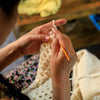
How to Shop Artisan-Designed Sarees Online

The timeless cadence of India's handloom tradition where skilled artisans in remote villages meticulously weave threads passed down through generations now resonates on digital screens across the globe. From bustling apartments in Mumbai to serene homes in Melbourne or Dubai, discerning shoppers are browsing collections of artisan-designed sarees, evaluating not merely hues and folds but the essence of genuineness, narrative depth, and the ethical promise that their choice directly supports the craftspeople, bypassing impersonal manufacturing chains.
India's handloom industry stands as one of the nation's most significant unorganized economic segments, embodying a heritage of exceptional craftsmanship that safeguards and celebrates the country's dynamic cultural legacy. Renowned worldwide, Indian weavers excel in distinctive techniques of hand-spinning, weaving, and printing, often operating from modest rural settings where expertise is inherited across family lines. This sector represents India's premier cottage industry, boasting approximately 2.8 million looms and serving as the second-largest source of rural jobs, supporting around 3.52 million individuals in core and related roles.
On a global scale, the handloom sarees market was worth USD 3.72 billion in 2024, with projections indicating growth from USD 3.99 billion in 2025 to USD 7.29 billion by 2032, achieving a compound annual growth rate (CAGR) of 8.99%. The Asia Pacific region commanded a leading 68.82% market share in 2024. Meanwhile, the wider Indian saree market reached about USD 5.76 billion in 2024 and is anticipated to expand to USD 10.33 billion by 2033, maintaining a steady CAGR of 6.70% from 2025 to 2033. This expansion is propelled by heightened interest in eco-friendly handwoven sarees, reinforced by governmental efforts such as Geographical Indication (GI) tags and the Handloom Mark scheme, alongside swift advancements in digital retail through AI-driven personalization and virtual fitting experiences. Younger buyers are increasingly drawn in via influencer promotions and environmentally aware campaigns, with e-commerce enhancing reach and convenience.
The broader handloom products market globally was valued at USD 8.32 billion in 2024, set to rise from USD 8.95 billion in 2025 to USD 16.62 billion by 2032, at a CAGR of 9.24%. Asia Pacific led with a 55.77% share in 2024, sustained by ongoing consumer appetite for sustainable, distinctive, and culturally resonant items.
However, for consumers across India, the US, Singapore, Australia, the UK, and the UAE, this online evolution presents a mix of excitement and caution. Can you truly rely on a saree you've never felt? What justifies the premium cost of handmade creations? And how can you verify that a "handloom" tag reflects reality rather than clever promotion?
Fast fashion erodes cultural heritage, sidelining artisans and reducing traditions to trends. At IndieHaat, we champion India's craftspeople with handcrafted sarees, apparel, décor, and skincare rooted in authenticity. Each piece embodies skill and ethical care. Support artisans and preserve India's timeless legacy Shop Now!
The Online Shift of India's Artisan Saree Economy
The global health crisis hastened an existing trend: e-commerce transforming localized textile arts into accessible international treasures. In diaspora hubs like the US, UK, and UAE, communities eagerly pursue Tussar or linen sarees suited for matrimonial ceremonies and cultural festivities. Meanwhile, working professionals in Singapore and Australia favor airy, responsibly produced cotton variants for daily sophistication. Within India, shoppers are progressively opting for artisan offerings over generic retail options, ideal for both ceremonial events and professional settings.
This surge stems from a preference for authentic materials unadulterated silk, cotton, and linen surpassing synthetic alternatives, coupled with patterns that bear the unique imprint of specific artisans or weaving communities, far removed from standardized factory outputs. The digital realm has democratized access, allowing buyers to explore weaves from Bengal's Tussar silks to Rajasthan's vibrant cottons without leaving home. Yet, this convenience demands savvy navigation to ensure quality and ethics align with expectations.
As platforms evolve, they incorporate features like detailed artisan profiles and supply chain transparency, fostering a connection that mirrors the intimacy of traditional bazaars. This shift not only broadens market reach but also revitalizes rural economies, where weavers once struggled with limited local demand.
Key Trends Shaping the Online Artisan Saree Market
Direct-to-artisan commerce frameworks are proliferating, eliminating intermediaries to channel greater earnings to creators while granting purchasers clear insights into product provenance. This model resonates strongly in markets like India, the US, UK, and UAE, where ethical sourcing influences decisions.
Awareness around material integrity is intensifying, distinguishing genuine handloom silk from adulterated mixes or authentic hand-spun cotton from mechanized replicas. In regions such as India, Singapore, and Australia, this scrutiny drives demand for verifiable purity, often certified through labels like the Handloom Mark.
Storytelling through design has become essential; consumers crave narratives detailing the saree's regional roots, weaving methods, and the artisans involved, extending beyond static images. Social channels like Instagram, YouTube, and Facebook amplify this through visually compelling content, engaging audiences in visual-dominant markets.
Seasonal demand fluctuations are evident, with peaks during festivals such as Diwali, Eid, Pongal, and Durga Puja, as well as wedding seasons, particularly boosting interest in diaspora areas like the US, UK, UAE, and Singapore. These periods see heightened searches for bespoke pieces that evoke personal and cultural significance.
Moreover, AI integration is revolutionizing the space: tools for pattern innovation merge age-old motifs with modern aesthetics, while virtual try-ons and tailored suggestions boost buyer assurance in appearance and fit, addressing long-standing online shopping barriers.
What to Look for Before You Click “Buy”
Begin with thorough fabric scrutiny. Reputable vendors explicitly state compositions like pure silk, linen, or cotton, avoiding ambiguous terms unless clarified. Details on weave varieties such as Tussar's textured appeal and sourcing of yarns, plus handloom certifications, are crucial indicators of quality.
Seek out artisan credits: mentions of particular weaving collectives, geographic clusters, or individual makers enhance credibility, especially comforting for international shoppers in the US, UK, and Australia who prioritize provenance.
Visual documentation is key in compensating for tangibility. Demand high-definition zooms on motifs, borders, and pallus, alongside dynamic videos illustrating drape, flow, and sheen to simulate in-person evaluation.
Transparent pricing demystifies costs, explaining how labor-intensive processes, natural pigments, and small-batch production elevate value compared to industrialized equivalents. Understanding this breakdown helps justify investments in enduring pieces.
Additionally, review return policies, customer testimonials, and third-party verifications to build confidence, ensuring your selection aligns with both aesthetic and ethical standards.
How Buyers in Different Regions Shop Artisan Sarees Online
In India, city dwellers frequently select versatile handloom sarees that seamlessly shift from festive gatherings to corporate environments, emphasizing comfort and understated refinement amid humid climates.
Across the US and UK, later-generation immigrants acquire sarees for heritage-linked occasions or as thoughtful presents, valuing embedded tales that strengthen cultural bonds despite geographic separation.
In the UAE, affluent purchasers opt for luxurious, embellished sarees tailored for opulent events and social milestones, where grandeur and exclusivity hold sway.
Singapore and Australia attract eco-minded individuals who champion artisanal integrity and sustainability, favoring distinctive creations that stand out in diverse wardrobes over mass-produced uniformity.
Digital interfaces facilitate these varied approaches with comprehensive listings, measurement aids, and emerging AI visualizations, effectively narrowing the gap imposed by distance and cultural variances. Marketplaces like Amazon and ONDC further streamline access, though discerning buyers often prefer curated sites for deeper authenticity.
The Hidden Risks of Buying Handmade Sarees Online
Credibility issues loom large, with spurious "handloom" assertions and fabric deceptions common on unchecked platforms, eroding confidence in virtual transactions.
Elevated costs can deter without context, as the investment in manual expertise often surprises those accustomed to budget-friendly synthetics. The inability to physically assess gauging texture, heft, and drape poses the greatest challenge, potentially leading to mismatches upon delivery.
Such apprehensions intensify for distant markets in the US, UK, and Australia, where logistics amplify doubts, whereas in India and Singapore, economic considerations play a more balanced role alongside quality concerns. Vigilance against these pitfalls involves cross-referencing seller reputations and seeking platforms with robust verification protocols.
Why Digital Platforms Matter for Artisans and Buyers Alike
Consumer-direct approaches secure weaver revenues by mitigating reliance on volatile regional sales, promoting financial resilience in artisan communities.
For worldwide shoppers, advantages include effortless procurement of scarce weaves and streamlined evaluations, eliminating the need for international journeys. This commercial dynamic subtly preserves heritage, as sustained sales invigorate fading crafts and transmit knowledge to future practitioners.
Building enduring trust occurs through accumulated feedback, loyal patronage, and endorsements on social networks like Instagram, Facebook, and YouTube, creating a virtuous cycle of reliability.
Beyond economics, these platforms educate on cultural nuances, fostering appreciation that transcends mere acquisition, and empowering buyers to make informed, impactful choices.
What's Next for Artisan Sarees in the Online Marketplace?
Verification protocols are advancing, with enhanced certifications and rigorous material assessments becoming standard to combat counterfeits. Multimedia elements such as streamed artisan dialogues, interactive videos, and behind-the-scenes glimpses will enrich emotional ties between creators and consumers.
Indian-based e-commerce entities targeting expatriate audiences are poised for further growth, leveraging technology to scale while honoring traditions.
Consumers should emphasize platforms prioritizing openness and education; vendors, in turn, must focus on informative content alongside sales strategies to cultivate lasting relationships.
Looking ahead, sustainability will dominate, with eco-certifications and traceable supply chains appealing to globally conscious demographics, ensuring the sector's vitality amid evolving preferences.
Buying a Saree Online Is No Longer Just a Transaction
Selecting an artisan saree digitally particularly those procured straight from makers, fashioned from pristine linen, silk, or cotton featuring singular motifs extends beyond wardrobe enhancement. It forges a link from rustic workshops to far-flung residences, perpetuating timeless abilities, legacies, and sustenance that span eras. Amid perpetual digital browsing, the truly resonant selection honors the dedicated artisans weaving history into every fold.
Frequently Asked Questions
How can I verify if a handloom saree purchased online is authentic?
Look for explicit fabric compositions (pure silk, cotton, or linen), handloom certifications like the Handloom Mark, and detailed artisan credits mentioning specific weaving collectives or geographic clusters. Reputable vendors provide high-definition images with zooms on motifs and borders, along with transparent pricing that explains the labor-intensive processes involved. Cross-reference seller reputations, customer testimonials, and third-party verifications to ensure the "handloom" tag reflects genuine craftsmanship rather than marketing claims.
Why are artisan-designed sarees more expensive than regular sarees?
Artisan sarees command premium prices due to labor-intensive handweaving processes, use of authentic materials like pure silk and natural pigments, and small-batch production that ensures uniqueness. Each piece reflects manual expertise passed down through generations, with costs also covering direct-to-artisan commerce models that eliminate intermediaries and channel greater earnings to rural weavers. Understanding this pricing breakdown helps justify the investment in enduring, culturally significant pieces that support traditional crafts and artisan livelihoods.
What should I look for when buying handloom sarees online from international platforms?
Prioritize platforms offering comprehensive fabric details, dynamic videos showing drape and sheen, and clear return policies to compensate for the inability to physically assess texture and weight. Seek artisan profiles and supply chain transparency that provide insights into product provenance, especially important for diaspora buyers in the US, UK, UAE, and Australia. Look for features like AI-driven virtual try-ons, measurement aids, and customer reviews to build confidence, while ensuring the platform has robust verification protocols against counterfeit "handloom" claims.
Disclaimer: The above helpful resources content contains personal opinions and experiences. The information provided is for general knowledge and does not constitute professional advice.
You may also be interested in: How Collaborative Partnerships Between Designers and Artisans
Fast fashion erodes cultural heritage, sidelining artisans and reducing traditions to trends. At IndieHaat, we champion India's craftspeople with handcrafted sarees, apparel, décor, and skincare rooted in authenticity. Each piece embodies skill and ethical care. Support artisans and preserve India's timeless legacy Shop Now!
Powered by flareAI.co