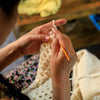
How to Balance Traditional and Contemporary Styles

The ethnic wear sector continues to thrive, propelled by a powerful convergence of heritage craftsmanship and modern sensibilities. This dynamic particularly energizes e-commerce platforms specializing in curated, authentic Indian handmade fashion, textiles, accessories, and home décor sourced directly from artisans.
Consumers in India, the US, Singapore, Australia, the UK, and the UAE increasingly demand garments that respect cultural roots while adapting to contemporary wardrobes suitable for everyday use, professional settings, festive occasions, or fusion ensembles. E-commerce has accelerated this evolution by broadening access, while fusion aesthetics expand appeal beyond traditional boundaries.
In India, the ethnic wear market generated USD 19,093.9 million in revenue in 2023 and is projected to reach USD 30,448.6 million by 2030, expanding at a CAGR of 6.9% from 2024 to 2030 (Grand View Research). Although offline channels held the largest share in 2023, online distribution emerges as the fastest-growing segment, underscoring how digital platforms facilitate the discovery and adoption of harmonized traditional-contemporary designs.
On a broader scale, the ethnic wear market is set to grow by USD 45.9 billion at a CAGR of 8.4% between 2024 and 2029 (Technavio). This expansion stems from e-commerce proliferation, consistent seasonal demand tied to festivals and cultural events, and the rising popularity of fusion fashion. Traditional methods such as block printing, handloom weaving, and embroidery now integrate with modern silhouettes and fabrics, creating versatile pieces that blend cultural depth with current relevance.
Further supporting this momentum, the market stood at 93.17 USD Billion in 2024, with projections to reach 138.68 USD Billion by 2035 at a CAGR of 3.68% from 2025 onward (Market Research Future). The fusion of traditional and contemporary styles particularly captivates diverse audiences, especially within Indo-Western categories, while online retail transforms accessibility in regions like North America, and sustainable practices gain ground in Asia-Pacific.
In today's fashion landscape, where personal style must bridge ancestral legacy and present-day functionality, mastering the balance between traditional and contemporary ethnic wear transcends mere trend-following it becomes an expression of thoughtful identity. For enthusiasts of genuine Indian artisanal creations, this equilibrium delivers clothing that carries profound heritage yet feels immediately relevant and comfortable in modern contexts.
The enduring allure of handcrafted fabrics pure linen, silk, and cotton infused with generations of artisanal expertise now intersects with desires for practicality, individuality, and versatility. Across India, skilled weavers and embroiderers produce textiles rich in narrative and texture. Yet consumers in vibrant cities from Mumbai to cosmopolitan centers in Dubai, London, Sydney, and Singapore seek reimaginings: imagine a meticulously hand-block printed kurta styled with slim trousers, or a luxurious silk saree elevated by a contemporary cropped blouse and structured shoulders.
Fusion approaches have matured significantly. Digital platforms and social media amplify visibility, transforming age-old motifs into fresh, wearable statements for routine days or special moments. Diaspora communities and style-conscious individuals in the US, UK, Australia, Singapore, and UAE readily adopt these hybrids for weddings, cultural festivals, or casual gatherings, prizing both emotional resonance and adaptable elegance.
Fast fashion erodes cultural heritage, sidelining artisans and reducing traditions to trends. At IndieHaat, we champion India's craftspeople with handcrafted sarees, apparel, décor, and skincare rooted in authenticity. Each piece embodies skill and ethical care. Support artisans and preserve India's timeless legacy Shop Now!
Emerging Trends Driving the Blend
Current shifts reveal accelerating momentum toward hybrid silhouettes. Fusion wear merges iconic Indian forms like Anarkalis, lehengas, or kurtas with Western tailoring elements such as asymmetric hems, cropped lengths, or tailored fits, enabling fluid transitions from ceremonial events to everyday or office environments. Hand embroidery, bandhani tie-dye, and mirror work increasingly adorn streamlined pieces like dhoti pants reinterpreted as wide-leg trousers or fitted tops with traditional detailing.
E-commerce platforms serve as vital enablers, democratizing access to authentic artisanal work far beyond regional or occasional use. While demand spikes reliably during Diwali, Eid, or wedding seasons, modern interpretations sustain interest year-round. Sustainability further strengthens the narrative: preferences for natural, ethically sourced fabrics align seamlessly with handmade authenticity, especially among younger demographics in India and broader Asia-Pacific who favor eco-aware innovation that preserves cultural integrity.
Real-World Examples and Applications
Handloom sarees in lightweight cotton or opulent silk exemplify versatile styling. In India, they may appear in classic draped form at a family wedding; elsewhere, the same fabric becomes a flowing skirt paired with a minimalist crop top for events in Singapore or Australia. In the UAE and UK, fusion ensembles frequently showcase elaborate zardozi embroidery or gota patti accents on updated kurta shapes, delivering striking yet culturally rooted appearances for multicultural occasions.
Curated collections emphasizing direct-from-artisan sourcing deliver truly distinctive designs, setting them apart from mass-market options. Rooted exclusively in authentic linen, silk, and cotton, these pieces appeal strongly in markets that value superior craftsmanship, ethical production, and uniqueness over fleeting fast-fashion cycles.
Key Challenges in Achieving Balance
Navigating this harmony presents notable obstacles. The premium pricing inherent in genuine handmade craftsmanship can alienate price-sensitive shoppers accustomed to lower-cost synthetics. Trust remains a persistent concern: verifying fabric purity, artisan authenticity, and ethical practices proves difficult without physical inspection. Online channels expand reach dramatically but must counter the tactile absence through rich photography, zoomable details, comprehensive fabric guides, and compelling artisan stories.
Excessive modernization risks eroding cultural essence, reducing profound heritage to superficial ornamentation. Success demands careful calibration honoring tradition's depth while pursuing relevant innovation.
Opportunities and Business Impacts
For specialized e-commerce ventures, the upside proves compelling. Close artisan collaborations yield exclusive, high-value designs that support premium positioning and cultivate enduring customer loyalty among those who champion sustainability and meaning. In India, explosive online expansion unlocks enormous domestic scale; across the US, UK, Australia, Singapore, and UAE, these offerings meet rising appetite for versatile, culturally significant fashion that transcends occasions.
By foregrounding handmade excellence, pure natural fabrics, and transparent sourcing, brands directly tackle common hesitations fostering confidence via immersive narratives, process visuals, and artisan spotlights. The payoff includes deeper engagement, repeat purchases, and resilient revenue streams that endure beyond peak festive periods.
Looking Ahead: Embracing the Harmony
The path forward belongs to those who adeptly integrate tradition with modernity. Surging worldwide appreciation for authentic Indian handwork positions thoughtfully curated platforms for sustained success. The formula remains deliberate: champion time-honored techniques, infuse contemporary relevance, and uphold steadfast dedication to artisan empowerment and integrity.
From draping an intricately woven saree for cherished rituals to wearing a refined fusion kurta in daily routines, such garments affirm that authentic style reveres history while embracing the present with assurance. Guided by skilled hands and visionary curation, cultural traditions not only survive they flourish and transform.
Frequently Asked Questions
How can I style traditional ethnic wear for modern everyday use?
You can blend traditional and contemporary styles by pairing handcrafted pieces with modern silhouettes. For example, style a hand-block printed kurta with slim trousers for a professional setting, or drape a handloom saree as a flowing skirt paired with a minimalist crop top. Fusion approaches like asymmetric hems, cropped lengths, and tailored fits enable seamless transitions from ceremonial events to daily routines while preserving cultural authenticity.
What are the current trends in fusion ethnic wear?
Fusion ethnic wear currently merges iconic Indian forms like Anarkalis, lehengas, and kurtas with Western tailoring elements such as asymmetric cuts and structured fits. Traditional techniques like hand embroidery, bandhani tie-dye, and mirror work are being incorporated into streamlined pieces like dhoti pants reinterpreted as wide-leg trousers or fitted tops with cultural detailing. The Indo-Western category is particularly popular, with the ethnic wear market projected to grow at a CAGR of 8.4% between 2024 and 2029, driven by e-commerce expansion and sustainable practices.
How do I ensure authenticity when buying ethnic wear online?
When purchasing ethnic wear online, look for platforms that emphasize direct-from-artisan sourcing and provide transparent information about fabric purity and ethical practices. Seek out detailed product photography with zoomable views, comprehensive fabric guides, and compelling artisan stories that verify craftsmanship authenticity. Specialized e-commerce platforms focusing exclusively on authentic handmade pieces in natural fabrics like pure linen, silk, and cotton offer greater assurance of genuine handcrafted quality over mass-market alternatives.
Disclaimer: The above helpful resources content contains personal opinions and experiences. The information provided is for general knowledge and does not constitute professional advice.
You may also be interested in: Types of Indian Handmade Jewelry: From Kundan to Temple
Fast fashion erodes cultural heritage, sidelining artisans and reducing traditions to trends. At IndieHaat, we champion India's craftspeople with handcrafted sarees, apparel, décor, and skincare rooted in authenticity. Each piece embodies skill and ethical care. Support artisans and preserve India's timeless legacy Shop Now!
Powered by flareAI.co