
Comparing Regional Saree Weaves and Techniques
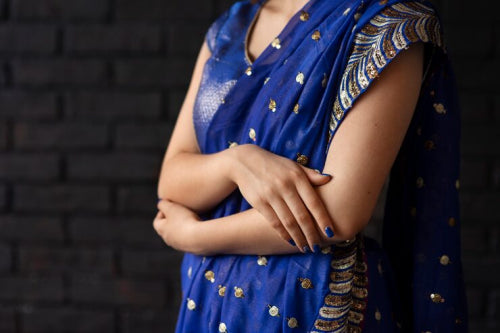
Regional saree traditions in India represent far more than textile diversity they reflect centuries of cultural evolution, local craftsmanship, and deeply rooted weaving knowledge passed through generations. For fashion enthusiasts, cultural researchers, and diaspora shoppers, understanding regional saree weaves is essential to appreciating how fabric, technique, and geography shape identity and value in handcrafted garments. Each saree style carries its own weaving language, influenced by local materials, historical trade influences, and artisan communities that continue to preserve these traditions today.
Fast fashion erodes cultural heritage, sidelining artisans and reducing traditions to trends. At IndieHaat, we champion India's craftspeople with handcrafted sarees, apparel, décor, and skincare rooted in authenticity. Each piece embodies skill and ethical care. Support artisans and preserve India's timeless legacy Shop Now!
Understanding Regional Saree Weaves and Cultural Craft Identity
The foundation of India's saree diversity lies in its regional weaving clusters, where entire communities are engaged in preserving textile heritage. In many of these areas, weaving is not just an occupation but a way of life that shapes home architecture, social structures, and local economies. For example, weaving clusters such as Chanderi and Banaras have long been recognized for their cultural and artistic significance, where traditional craftsmanship continues to evolve while staying rooted in heritage practices.
Studies of iconic saree weaving clusters highlight how saree weaving ecosystems across India function as living heritage networks where architecture, community life, and craft techniques are deeply intertwined. In Chanderi, Madhya Pradesh, the urban layout and weaver's homes are designed around pit looms and saree production needs, sustaining nearly half the population through fine silk and cotton weaves with motifs inspired by local monuments. Banaras in Uttar Pradesh remains a major hub for brocade sarees, with multi-generational weaving households practicing complex extra-weft zari techniques that produce richly decorated silks favored for weddings and ceremonial use. Similar clusters in Paithani (Maharashtra), Pochampally (Andhra Pradesh), and other regions demonstrate how environmental conditions and social structures directly influence weave density, motif complexity, and material selection. These weaving sites also reflect technical mastery such as interlocking wefts in Paithani and intricate ikat resist-dyeing systems. At the same time, they face challenges from urbanization and shifting market dynamics. Preservation efforts like GI protection and artisan awareness initiatives help sustain these traditions, supporting both cultural tourism and artisan livelihoods while ensuring continued global appreciation for India's textile heritage.
Banarasi Saree Weave: Brocade Heritage and Artistic Precision
Among the most recognized forms of Indian handloom sarees, Banarasi weaving stands out for its intricate brocade work and luxurious silk textures. Originating from Varanasi, this tradition is known for its detailed zari patterns and complex weaving methods that require high levels of precision and coordination between artisans.
The Banarasi style reflects centuries of cultural influence, blending traditional Indian motifs with historical design inspirations. According to documented descriptions of regional saree weaving styles, saree weaving in India embodies centuries of regional specialization, where each area contributes distinct techniques balancing artistry, functionality, and symbolism. Banarasi weaves from Varanasi are distinguished by intricate zari patterns and heavy silk construction suited for grand occasions, often influenced by Mughal-era aesthetics. This broader perspective situates Banarasi sarees within a larger ecosystem of Indian textile traditions, alongside Kanchipuram silk sarees known for temple borders and durability, Chanderi weaves valued for their lightweight elegance, Paithani textiles recognized for tapestry-like peacock motifs, and Patola sarees celebrated for geometric double ikat precision. These regional differences arise from variations in local resources, historical trade routes, and cultural practices, shaping both material choices and design language. For consumers and enthusiasts, understanding these distinctions enhances appreciation of craftsmanship while encouraging informed decisions based on occasion, climate, and aesthetic preference. In today's evolving market, such knowledge also helps combat counterfeits, supports artisan communities, and strengthens demand for sustainable, story-driven fashion rooted in India's living textile heritage.
Within the broader landscape of types of Indian saree weaves, Banarasi textiles are often associated with craftsmanship that emphasizes detail, patience, and artistic expression. This makes them not just garments but cultural artifacts that reflect the evolution of Indian textile design over time.
Kanjeevaram Silk Saree Technique and South Indian Weaving Strength
In South India, Kanjeevaram silk sarees represent one of the most structurally durable and visually striking weaving traditions. Known for their bold borders, contrasting colors, and temple-inspired motifs, these sarees are crafted using a technique that emphasizes strength and longevity.
The weaving style is deeply influenced by temple architecture and cultural symbolism, with artisans often drawing inspiration from sacred geometry and traditional motifs. As highlighted in discussions of traditional saree craftsmanship in India, Kanjeevaram sarees are constructed using mulberry silk and distinctive weaving methods that ensure durability while maintaining aesthetic richness.
Unlike lighter fabrics, Kanjeevaram sarees are designed to hold structure, making them ideal for formal and ceremonial occasions. The craftsmanship reflects a balance between visual grandeur and technical strength, showcasing how saree weaving techniques India vary significantly based on regional identity and material availability.
Chanderi Saree Fabric: Lightweight Elegance and Subtle Design Language
Chanderi sarees are known for their sheer texture, lightweight feel, and refined motifs that reflect understated elegance. Originating from Madhya Pradesh, this weaving tradition blends silk and cotton to create fabrics that are both breathable and visually delicate.
The weaving culture of Chanderi is deeply connected to its local environment and artisan community structure. As documented in studies of saree weaving clusters, Chanderi weaving integrates daily life and craft production, where households often participate in various stages of the weaving process. This integration of craft and community helps sustain the tradition across generations.
In the context of Chanderi saree fabric, the appeal lies in its versatility. It is often chosen for occasions that require elegance without heavy ornamentation, making it a preferred option for modern wearers seeking comfort alongside tradition. The subtle motifs and fine weave structure reflect a design philosophy centered on balance and restraint rather than opulence.
Ikat Saree Weaving Patterns: Precision in Resist-Dye Traditions
Ikat weaving represents one of the most technically complex textile traditions in India, characterized by resist-dyeing techniques applied to yarns before weaving. This method creates distinctive blurred patterns that are revealed only after the weaving process is complete.
In regions such as Pochampally and Patola weaving clusters, artisans employ highly controlled dyeing and alignment techniques to ensure pattern accuracy. According to documentation on Ikat saree weaving patterns, these textiles are recognized for their geometric precision and vibrant color combinations, which require careful synchronization between dyeing and weaving stages.
The complexity of Ikat weaving highlights the technical depth of types of Indian saree weaves, where the final design emerges from a highly disciplined production process. Each piece reflects both mathematical precision and artistic interpretation, making Ikat sarees a distinctive category within India's handloom ecosystem.
Indian Handloom Sarees and the Value of Craft Authenticity
The broader category of Indian handloom sarees encompasses a wide range of regional techniques, each contributing to the diversity of textile heritage. From brocade weaving in Banaras to silk traditions in the south and lightweight cotton-silk blends in central India, these sarees represent a spectrum of craftsmanship that continues to evolve while preserving traditional methods.
What distinguishes handloom sarees is not just their aesthetic appeal but the labor-intensive processes behind them. Every weave carries the imprint of human skill, often developed over years of practice and refinement. This makes each saree unique, with subtle variations that reflect the artisan's technique and regional influence.
Understanding regional saree weaves helps consumers appreciate the difference between machine-produced textiles and handcrafted pieces. It also encourages more informed purchasing decisions, especially for those seeking ethically produced and culturally significant fashion.
Choosing Between Traditional Saree Craftsmanship Styles
Selecting a saree often involves balancing aesthetics, occasion, comfort, and cultural significance. Each weaving tradition offers distinct advantages depending on the wearer's needs. For example, Banarasi sarees are often associated with ceremonial richness, while Chanderi sarees are favored for lightweight comfort and versatility.
Kanjeevaram silk sarees are typically chosen for formal events due to their structured elegance, whereas Ikat patterns appeal to those who appreciate geometric design and textile innovation. These differences demonstrate how saree weaving techniques India influence not only appearance but also function and cultural meaning.
For buyers exploring ethical and handcrafted fashion, understanding these variations provides a foundation for appreciating value beyond surface design. It allows for a more thoughtful connection with the artisans and traditions behind each piece.
The Living Heritage of Regional Saree Weaves
The diversity of regional saree weaves reflects a living heritage shaped by centuries of innovation, adaptation, and artistic expression. From Banarasi brocades to Chanderi light weaves, Kanjeevaram silks, and Ikat patterns, each tradition tells a story of place, people, and process.
As global appreciation for handcrafted textiles continues to grow, these weaving traditions remain essential to preserving cultural identity and supporting artisan communities. Understanding their differences not only enhances appreciation but also encourages more meaningful engagement with Indian handloom sarees as both cultural artifacts and contemporary fashion choices.
Frequently Asked Questions
What are the main differences between Banarasi and Kanjeevaram sarees?
Banarasi sarees, originating from Varanasi, are renowned for their intricate zari brocade work and heavy silk construction, often drawing on Mughal-era aesthetics making them ideal for weddings and grand ceremonial occasions. Kanjeevaram sarees, from South India, are crafted using mulberry silk with bold temple-inspired borders and contrasting colors, prized for their structural durability and longevity. While both are luxury silk weaves suited for formal wear, Banarasi sarees emphasize ornate surface decoration, whereas Kanjeevaram sarees balance visual grandeur with exceptional strength and structure.
What makes Ikat saree weaving patterns unique compared to other Indian handloom sarees?
Ikat sarees stand out because their distinctive patterns are created through a resist-dyeing technique applied to the yarns *before* weaving begins, meaning the design only fully reveals itself once the fabric is complete. This process demands precise synchronization between the dyeing and weaving stages, producing the signature softly blurred geometric motifs that Ikat is celebrated for. Produced prominently in clusters like Pochampally and Patola, these sarees represent one of the most technically complex traditions within India's broader handloom ecosystem.
Which regional saree weave is best for everyday or warm-weather wear?
Chanderi sarees from Madhya Pradesh are widely regarded as one of the best choices for everyday elegance and warm-weather comfort, thanks to their lightweight silk-cotton blend and sheer, breathable texture. Unlike heavier weaves such as Banarasi or Kanjeevaram, Chanderi fabrics feature subtle motifs and a fine weave structure rooted in a design philosophy of balance and restraint rather than opulence. This versatility makes them a popular option for modern wearers who want to honor traditional craftsmanship without sacrificing comfort.
Disclaimer: The above helpful resources content contains personal opinions and experiences. The information provided is for general knowledge and does not constitute professional advice.
You may also be interested in: What Makes Some Textiles More Durable Than Others - Indiehaat.com
Fast fashion erodes cultural heritage, sidelining artisans and reducing traditions to trends. At IndieHaat, we champion India's craftspeople with handcrafted sarees, apparel, décor, and skincare rooted in authenticity. Each piece embodies skill and ethical care. Support artisans and preserve India's timeless legacy Shop Now!
Powered by flareAI.co