
Maintaining Authenticity in Contemporary Linen Saree Designs
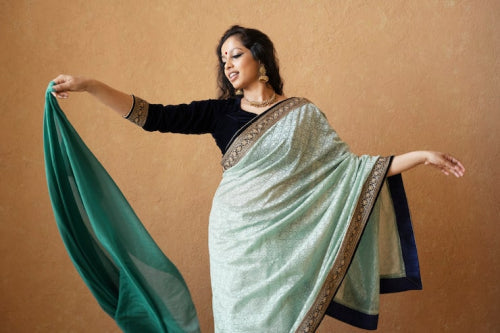
Contemporary linen saree design has emerged as one of the most compelling intersections of heritage craftsmanship and modern lifestyle needs. What once existed as a purely traditional garment has evolved into a versatile expression of identity, comfort, and aesthetic refinement. As designers reinterpret handwoven textiles through minimalist silhouettes and fusion styling, the conversation is no longer just about preserving tradition it is about sustaining its relevance in everyday wardrobes. Within this evolution, authenticity has become both a design principle and a differentiating factor for brands working with artisan-led fashion.
Fast fashion erodes cultural heritage, sidelining artisans and reducing traditions to trends. At IndieHaat, we champion India's craftspeople with handcrafted sarees, apparel, décor, and skincare rooted in authenticity. Each piece embodies skill and ethical care. Support artisans and preserve India's timeless legacy Shop Now!
The evolving identity of linen sarees in modern wardrobes
The linen saree has gradually shifted from occasion-specific attire to a more adaptive wardrobe staple. This transformation is driven by a growing appreciation for breathable fabrics and understated elegance that fits seamlessly into professional and casual environments. Designers are increasingly experimenting with clean lines, lightweight drapes, and subtle detailing while retaining the core identity of the saree.
Modern reinterpretations often focus on balancing simplicity with craftsmanship. As highlighted in discussions around modern innovations in contemporary sarees, linen's natural texture and adaptability make it ideal for minimalist yet impactful designs. The fabric's organic wrinkles are no longer seen as imperfections but as part of its visual character, reinforcing authenticity rather than detracting from it.
Beyond design aesthetics, contemporary linen sarees are increasingly shaped by sustainability and versatility. Linen is widely recognized for its low environmental impact, breathable structure, and ability to age gracefully over time. When combined with traditional weaving techniques or subtle handcrafted detailing, it results in garments that transition effortlessly between professional, casual, and cultural settings. This fusion of functionality and heritage allows linen sarees to remain relevant in evolving wardrobes while encouraging more intentional, slow-fashion consumption patterns.
This evolving identity reflects a broader shift in fashion preferences where wearers value garments that transition across contexts work, leisure, and cultural occasions without losing their traditional essence. The saree, particularly in linen, becomes a canvas for innovation while remaining grounded in its cultural roots.
Why authenticity matters in contemporary saree design
Authenticity in modern linen sarees is not simply about preserving traditional motifs; it is about maintaining a meaningful connection to craft, material, and process. As fashion becomes increasingly globalized, consumers are more discerning about what constitutes genuine handcrafted value versus mass-produced imitation.
Design evolution in this space often emphasizes transparency in sourcing and technique. Insights from fusion of tradition in contemporary Indian fashion highlight how designers integrate handloom fabrics, embroidery techniques, and regional craftsmanship into modern silhouettes that prioritize comfort and versatility. This approach ensures that artisans remain central to the creative process, with their expertise adding unique variations and storytelling depth to each garment. At the same time, it reinforces slow-fashion principles by promoting ethical sourcing, reduced waste, and long-term value over disposable trends.
For contemporary linen sarees, authenticity also extends to how the garment feels and functions in daily life. Breathability, durability, and natural texture contribute to a sense of integrity that synthetic alternatives struggle to replicate. This alignment between material honesty and design intent reinforces trust between artisans, brands, and end users.
Craftsmanship and the artisan influence on design integrity
At the heart of authentic linen saree design lies the contribution of artisans whose skills have been refined over generations. Their expertise in weaving, dyeing, and finishing brings depth and individuality to each garment. Unlike machine-produced textiles, handcrafted sarees carry subtle variations that reflect human touch and regional craft traditions.
The role of artisans is not limited to execution; they actively shape design outcomes. As noted in fusion of tradition in contemporary Indian fashion, contemporary designers increasingly collaborate with handloom communities to integrate traditional techniques into modern silhouettes. This collaboration ensures that cultural knowledge is not diluted but instead reinterpreted for current lifestyles.
Such partnerships also contribute to sustaining livelihoods and preserving textile heritage. When linen sarees incorporate handwoven textures or handcrafted detailing, they carry forward stories embedded in craft ecosystems. This narrative dimension enhances the garment's emotional value, making authenticity a lived experience rather than a marketing claim.
Sustainability and material integrity in linen sarees
Linen has gained prominence in contemporary saree design due to its natural sustainability profile and adaptability. Its low-impact cultivation and biodegradable nature make it a preferred choice for designers seeking environmentally responsible alternatives to synthetic fabrics. However, sustainability in this context is not limited to material sourcing; it also includes longevity and responsible production practices.
Modern interpretations of linen sarees often emphasize durability and wearability. As discussed in modern innovations in contemporary sarees, linen's ability to support slow fashion is tied to its resilience and aging quality, encouraging consumers to invest in fewer but higher-quality pieces that last over time. This reduces seasonal waste and supports a more mindful approach to wardrobe building.
Material integrity also reinforces authenticity. When linen is paired with traditional weaving methods or natural dyeing processes, it strengthens the connection between garment and origin. The result is a product that feels honest in both construction and aesthetic, aligning with the expectations of increasingly conscious consumers.
Fusion design and the reinterpretation of tradition
One of the most significant trends shaping contemporary linen sarees is fusion design the blending of traditional craftsmanship with modern silhouettes and global influences. This approach does not replace heritage; instead, it reinterprets it in ways that resonate with evolving lifestyles.
According to insights on fusion of tradition in contemporary Indian fashion, designers are incorporating elements such as structured drapes, minimalist embroidery, and adaptable styling to make sarees more accessible for daily wear. Linen, with its natural drape and breathable texture, serves as an ideal base for these innovations.
Fusion design also allows regional craft traditions to reach broader audiences. By integrating handloom techniques into modern forms, designers ensure that heritage craftsmanship remains visible without being confined to ceremonial contexts. This balance between innovation and tradition is central to maintaining authenticity in a rapidly evolving fashion landscape.
Maintaining authenticity in a competitive fashion marketplace
As demand for handcrafted fashion grows, so does the risk of dilution through mass replication and superficial design adaptation. Maintaining authenticity requires a deliberate commitment to transparency, ethical sourcing, and respect for artisan communities. For brands operating in the handcrafted apparel space, this is not a branding exercise but a structural approach to product development.
Authentic linen sarees distinguish themselves through visible and tactile cues handwoven textures, natural fiber variation, and subtle irregularities that reflect human craftsmanship. These characteristics should not be corrected or standardized away, as they are essential to the garment's identity.
Equally important is storytelling. When consumers understand the craft journey behind a saree from weaving to finishing they are more likely to value its authenticity. This narrative approach strengthens trust and positions linen sarees as meaningful cultural artifacts rather than interchangeable fashion items.
The future of authentic linen saree design
The future of linen saree design lies in its ability to remain rooted while evolving. As designers continue to experiment with silhouettes, textures, and styling approaches, authenticity will remain the anchor that ensures cultural continuity. The most successful interpretations will be those that respect the integrity of craft while adapting to modern expectations of comfort and versatility.
Consumer preferences are also shifting toward intentional fashion choices that prioritize quality over quantity. In this context, linen sarees offer a compelling balance of tradition, sustainability, and adaptability. Their continued evolution will depend on how effectively designers, artisans, and brands collaborate to preserve the essence of handcrafted textiles while making them relevant for contemporary life.
Ultimately, maintaining authenticity in contemporary linen saree designs is not about resisting change it is about guiding it thoughtfully. When tradition and innovation are allowed to coexist with respect for craft, the result is not just a garment but a living expression of cultural continuity.
Frequently Asked Questions
What makes contemporary linen saree designs authentic?
Contemporary linen saree designs are considered authentic when they preserve traditional handloom techniques while adapting to modern aesthetics. Authenticity comes from artisan craftsmanship, natural linen textures, and subtle handwoven variations that reflect human touch. Transparency in sourcing and respect for regional weaving practices also play a key role in maintaining design integrity. These elements ensure the saree remains rooted in cultural heritage while evolving with contemporary fashion.
Why is sustainability important in linen saree design?
Sustainability is a core factor in linen saree design because linen is a natural, biodegradable fiber with a low environmental impact. Its durability and breathable structure support slow fashion by encouraging long-term use instead of fast consumption. When combined with ethical production and traditional weaving methods, it reduces waste and supports artisan communities. This makes linen sarees both environmentally responsible and culturally meaningful.
How are linen sarees evolving in modern fashion wardrobes?
Linen sarees are evolving into versatile wardrobe staples that suit both professional and casual settings. Designers are focusing on minimalist silhouettes, breathable fabrics, and fusion styling to make them more adaptable for everyday wear. This shift allows sarees to transition easily across work, leisure, and cultural occasions without losing their traditional essence. As a result, they are becoming a preferred choice for modern, comfort-driven fashion.
Disclaimer: The above helpful resources content contains personal opinions and experiences. The information provided is for general knowledge and does not constitute professional advice.
You may also be interested in: How Collaborative Partnerships Between Designers and Artisans
Fast fashion erodes cultural heritage, sidelining artisans and reducing traditions to trends. At IndieHaat, we champion India's craftspeople with handcrafted sarees, apparel, décor, and skincare rooted in authenticity. Each piece embodies skill and ethical care. Support artisans and preserve India's timeless legacy Shop Now!
Powered by flareAI.co