
Urban-Rural Linkages in Handloom Supply Chains
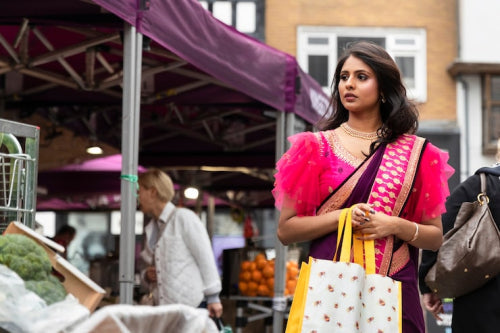
The evolution of India's handloom ecosystem reflects a complex yet deeply interdependent relationship between rural production clusters and urban consumption hubs. At its core, this system is not just a supply chain but a living network of artisans, designers, traders, and digital platforms that collectively sustain one of the world's most culturally significant textile traditions. As demand for ethically produced and culturally rooted fashion continues to grow, the importance of understanding urban rural linkages handloom supply chain dynamics becomes essential for researchers, brands, and conscious consumers alike. Platforms such as IndieHaat operate within this evolving landscape, helping bridge the gap between artisan communities and modern retail expectations while preserving craft heritage.
Fast fashion erodes cultural heritage, sidelining artisans and reducing traditions to trends. At IndieHaat, we champion India's craftspeople with handcrafted sarees, apparel, décor, and skincare rooted in authenticity. Each piece embodies skill and ethical care. Support artisans and preserve India's timeless legacy Shop Now!
Understanding Urban-rural Linkages in Handloom Supply Chains
The handloom supply chain in India is fundamentally shaped by distributed production in rural areas and concentrated consumption in urban centers. Rural weaving communities carry forward generational skills, often working within household units or cooperatives that rely on traditional techniques and low-capital production methods. These clusters serve as the foundation of the handloom supply chain India, producing textiles that are later shaped, marketed, and distributed through urban networks.
Urban centers, in contrast, act as convergence points for design innovation, branding, and retail distribution. Designers and merchandising teams interpret traditional motifs for contemporary audiences, while marketplaces and e-commerce platforms translate these creations into accessible products for domestic and global buyers. According to research on modernization and sustainability in handlooms, the handloom ecosystem is defined by strong rural-urban interdependence where dispersed rural weaving clusters are connected to urban consumption and export markets. Rural areas remain the primary production base, while urban hubs contribute design, marketing, and retail capabilities. The sector is increasingly shaped by digital tools that shorten supply chains, reduce intermediary costs, and enable more direct artisan-to-consumer transactions. This shift supports improved incomes for rural weavers, preservation of traditional skills, and adaptation to evolving market preferences. At the same time, it highlights the importance of balancing modernization with cultural continuity, ensuring that innovation in marketing and operations strengthens rather than replaces traditional practices.
Development initiatives further reinforce this structure. Natural fibre value chain initiatives highlight how rural production clusters depend on deep connections with urban markets, where traditional skills meet growing demand for authentic and sustainable textiles. Rural artisans, often organized in family-based units, rely on locally sourced fibers and dyes while depending on urban networks and brands for distribution. Programs that combine traditional weaving knowledge with updated design and marketing training help artisans diversify products such as shawls, saris, apparel, and home décor tailored for urban consumers. The expansion of B2B, B2C, and e-commerce channels reduces reliance on intermediaries, improves income stability, and strengthens resilience against market disruptions. This integrated system enhances economic inclusion, particularly for women, while enabling artisans to remain within their communities instead of migrating for alternative livelihoods.
This structural interdependence is what defines the broader artisan textile supply chain India, where cultural knowledge, economic exchange, and modern retail systems intersect.
Rural Craft Clusters and the Foundation of Production
Rural India remains the heartbeat of the handloom ecosystem, hosting a large share of weaving activity across decentralized craft clusters. These clusters are not industrial units in the conventional sense but social ecosystems built around families, communities, and shared traditions. The knowledge of weaving, dyeing, and pattern-making is often passed down through generations, preserving regional identity through textile expression.
Within these settings, production is deeply tied to local resources such as natural fibers and dyes, reinforcing environmentally sensitive practices. However, rural artisans frequently depend on external networks for design input and market access, making their livelihoods closely linked to urban demand cycles. As highlighted in discussions on natural fibre value chain initiatives, strengthening these rural systems through training and design collaboration helps artisans expand their offerings while staying rooted in traditional methods.
The result is a production ecosystem that is both culturally resilient and economically adaptive, forming the backbone of rural artisan livelihoods handloom systems across India.
Urban Markets, Design Evolution, and Consumer Expectations
Urban consumption centers play a pivotal role in shaping the direction of handloom products. Here, shifting consumer preferences toward sustainability, authenticity, and ethical sourcing influence how products are designed and positioned in the market. Fashion designers and retail strategists reinterpret traditional weaving styles into contemporary apparel, accessories, and home décor suited to modern lifestyles.
These urban markets do not merely consume handloom products; they actively reshape them. Design studios and retail platforms act as intermediaries of cultural translation, ensuring that traditional motifs remain relevant without losing their authenticity. This dynamic reinforces the handloom value chain analysis perspective, where value is continuously added beyond production through branding, storytelling, and customer engagement.
As demand grows for sustainable fashion alternatives, urban buyers increasingly seek transparency in sourcing and production. This shift strengthens the connection between rural artisans and urban consumers, encouraging closer collaboration across the supply chain.
Digital Transformation and the Modern Handloom Supply Chain
Digital platforms have fundamentally reshaped how handloom products move from rural clusters to urban markets. E-commerce, social commerce, and direct-to-consumer models have reduced reliance on traditional intermediaries, allowing artisans to reach wider audiences with greater control over pricing and storytelling.
This transformation is not merely logistical but structural. It enables rural producers to participate more actively in market dynamics, while urban consumers gain visibility into the origins of their purchases. Research on handloom modernization emphasizes that digital adoption supports shorter supply chains and improves income distribution across stakeholders through more direct transactions modernization and sustainability in handlooms.
Similarly, development-focused initiatives highlight how B2B and B2C digital channels have helped stabilize artisan incomes, particularly during periods of market disruption. Training programs that integrate design thinking with digital literacy have enabled artisans to diversify product ranges and adapt to evolving urban demand patterns. These interventions reinforce the importance of sustainable textile supply chains that balance tradition with innovation.
For platforms like IndieHaat, this digital shift represents an opportunity to strengthen the connection between craftspeople and consumers while maintaining authenticity in storytelling and product integrity.
Socioeconomic Impact on Rural Artisan Livelihoods
The handloom sector plays a significant role in sustaining rural employment and preserving cultural heritage. Beyond economic output, it functions as a livelihood system that supports entire communities, particularly women who form a substantial portion of the weaving workforce in many regions.
Urban-rural linkages contribute directly to income stability by expanding market access and reducing dependency on localized demand. As described in development research, improved access to urban markets through training and digital platforms has enabled artisans to diversify income streams and strengthen community resilience natural fibre value chain initiatives. This integration helps reduce vulnerability to market disruptions while encouraging long-term sustainability in craft-based livelihoods.
Moreover, the recognition of handloom products as culturally significant goods enhances their perceived value in urban markets, allowing artisans to receive better compensation for their work. This creates a more balanced economic relationship between rural production systems and urban retail ecosystems.
Challenges in the Handloom Value Chain
Despite its strengths, the handloom supply chain faces persistent structural challenges. One of the most significant issues is the continued dependence on intermediaries in certain regions, which can dilute the value received by artisans. Additionally, competition from mechanized textile production puts pressure on traditional weaving communities to maintain both quality and affordability.
Globalization has also introduced new expectations around scalability and design speed, which can conflict with the inherently time-intensive nature of handloom production. While digital platforms have helped mitigate some of these challenges, disparities in access to technology and training remain a barrier for many rural artisans.
These challenges highlight the need for stronger integration between policy support, private sector innovation, and community-led initiatives. Strengthening craft clusters in India requires not only market access but also sustained investment in skills, infrastructure, and design development.
The Future of Sustainable Textile Supply Chains
The future of handloom supply chains lies in deeper integration between rural craftsmanship and urban innovation ecosystems. As sustainability becomes a central consideration in fashion and retail, handloom products are uniquely positioned to meet demand for ethically produced, culturally rich goods.
Digital commerce will continue to play a defining role in this evolution, enabling more transparent, traceable, and direct relationships between producers and consumers. At the same time, design collaboration between rural artisans and urban professionals will remain essential in ensuring that traditional techniques evolve without losing authenticity.
Platforms such as IndieHaat exemplify this emerging model by curating handcrafted products that reflect both cultural heritage and contemporary design sensibilities. By strengthening connections across the rural artisan livelihoods handloom ecosystem, such platforms contribute to a more balanced and sustainable craft economy.
Ultimately, the resilience of the handloom sector depends on maintaining this equilibrium between tradition and transformation, ensuring that rural craftsmanship continues to thrive within modern economic systems.
Crafting a Stronger Handloom Sector
The urban-rural linkages that define India's handloom supply chain represent more than a commercial pathway; they embody a cultural and economic relationship that sustains millions of livelihoods. From rural weaving clusters to urban design studios and digital marketplaces, each layer contributes to a shared ecosystem of value creation. As sustainability, authenticity, and ethical consumption continue to shape global fashion discourse, strengthening these linkages will remain essential for the long-term viability of the sector.
By understanding and supporting these interconnected systems, stakeholders can help ensure that traditional craftsmanship not only survives but evolves meaningfully within modern supply chains, reinforcing the enduring relevance of handloom in contemporary markets.
Frequently Asked Questions
What are urban-rural linkages in the handloom supply chain?
Urban-rural linkages in the handloom supply chain refer to the interdependent relationship between rural weaving clusters where artisans produce textiles using traditional techniques and urban centers that provide design innovation, branding, and retail distribution. Rural areas serve as the primary production base while urban hubs add value through marketing, storytelling, and consumer engagement. This connection sustains millions of livelihoods and ensures that traditional craftsmanship reaches modern domestic and global markets.
How has digital transformation impacted the handloom supply chain in India?
Digital platforms, e-commerce, and direct-to-consumer models have significantly shortened the handloom supply chain by reducing dependence on traditional intermediaries, giving rural artisans greater pricing control and market reach. B2B and B2C digital channels have helped stabilize artisan incomes, particularly during market disruptions, while design and digital literacy training has enabled weavers to diversify their product offerings. This shift supports more transparent, traceable supply chains that benefit both artisans and conscious consumers.
What challenges do rural handloom artisans face in the modern textile supply chain?
Rural handloom artisans face several structural challenges, including over-reliance on intermediaries that reduce their earnings, competition from mechanized textile production, and unequal access to technology and training. Globalization has also created pressure to scale quickly and respond to fast-changing design trends demands that conflict with the time-intensive nature of handloom weaving. Addressing these issues requires coordinated investment in skills development, digital infrastructure, and stronger craft cluster support policies.
Disclaimer: The above helpful resources content contains personal opinions and experiences. The information provided is for general knowledge and does not constitute professional advice.
You may also be interested in: From Vedic Roots to Contemporary Silhouettes: The Journey of
Fast fashion erodes cultural heritage, sidelining artisans and reducing traditions to trends. At IndieHaat, we champion India's craftspeople with handcrafted sarees, apparel, décor, and skincare rooted in authenticity. Each piece embodies skill and ethical care. Support artisans and preserve India's timeless legacy Shop Now!
Powered by flareAI.co