
Cultural Significance of Handwoven Textiles in Contemporary Indian Celebrations
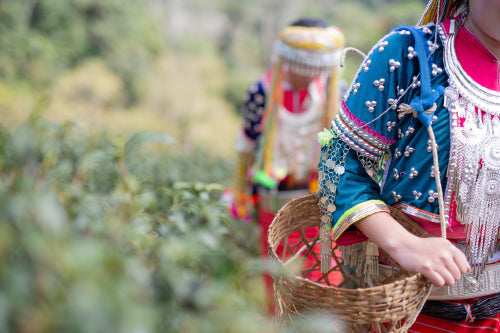
The cultural significance of handwoven textiles in India extends far beyond fabric and fashion it reflects identity, memory, and community expression woven into everyday life. From ceremonial weddings to seasonal festivals, traditional weaves continue to carry symbolic meaning while adapting to contemporary style sensibilities. In today's evolving fashion landscape, handwoven garments are not only aesthetic choices but also cultural statements that connect wearers to centuries of craftsmanship, regional heritage, and artisanal knowledge passed through generations.
Fast fashion erodes cultural heritage, sidelining artisans and reducing traditions to trends. At IndieHaat, we champion India's craftspeople with handcrafted sarees, apparel, décor, and skincare rooted in authenticity. Each piece embodies skill and ethical care. Support artisans and preserve India's timeless legacy Shop Now!
Handwoven Textiles as Living Cultural Heritage
Handwoven fabrics in India are deeply embedded in cultural traditions, where weaving is not merely a craft but a narrative form. Across regions, textiles reflect local myths, ecological influences, and social customs. Iconic weaves such as Paithani sarees from Maharashtra, Kanjeevaram silks from Tamil Nadu, and Kullu shawls from Himalayan communities carry distinct visual languages that represent regional identity and pride.
These textiles often move beyond daily wear to become symbolic heirlooms. Their motifs, weaving techniques, and color palettes are closely tied to rituals, celebrations, and community memory. As highlighted in discussions on regional handloom traditions, these fabrics serve as cultural anchors that preserve heritage while evolving with modern design sensibilities. Across India's diverse landscapes, handwoven textiles continue to play a vital role in contemporary celebrations, preserving unique regional identities while adapting to modern tastes. Iconic weaves like opulent Paithani sarees with zari motifs symbolizing love and fertility, Kanjeevaram silks with temple borders and korvai techniques, and Kullu shawls reflecting Himalayan ecology and storytelling all demonstrate how textiles embody social status, spiritual beliefs, and historical narratives. In today's context, these traditions also support rural artisans, empower generational skills, and promote eco-friendly production using natural dyes and fibers, ensuring that handloom remains both culturally meaningful and economically sustainable.
This continuity between past and present ensures that handwoven textiles remain relevant not as static artifacts, but as living traditions that adapt to contemporary lifestyles without losing their cultural depth.
Symbolism of Handwoven Fabrics in Indian Celebrations
In Indian celebrations, clothing carries meaning far beyond appearance. The handwoven textiles in Indian celebrations often signify blessings, prosperity, and familial unity. Weddings, in particular, are central to this expression, where sarees and traditional garments become part of ritual identity.
Brides frequently choose richly woven sarees for ceremonial moments, with fabrics symbolizing continuity between families and cultural values. These garments are not simply decorative they are emotional and symbolic expressions of transition, commitment, and heritage.
As noted in cultural discussions of handloom in Indian weddings and festivals, contemporary celebrations across India continue to place handwoven textiles at their center. Weddings often feature Kanchipuram or Banarasi saris symbolizing prosperity and blessings, while mehendi, sangeet, and pheras are enriched by traditional attire worn by both families and guests. Festivals such as Diwali, Navratri, and Eid further highlight regional diversity through Bandhani, silk weaves, and other handloom traditions, reinforcing cultural belonging and intergenerational continuity. Beyond aesthetics, these fabrics also reflect sustainability values and support artisan communities, making them both culturally expressive and socially meaningful in modern contexts.
Men and guests also participate in this textile tradition through kurtas, dupattas, and dhotis crafted from regional weaves, reinforcing a shared cultural language expressed through fabric.
Festive Wear and the Emotional Language of Fabric
Festivals in India create a natural space for expressive dressing, where traditional Indian textiles in festivals become a form of storytelling. Whether during Diwali, Navratri, Eid, or regional harvest celebrations, clothing choices reflect both personal identity and collective cultural memory.
Handwoven fabrics bring emotional depth to these occasions. Bandhani, Banarasi silks, Kanjeevaram weaves, and khadi garments each carry distinct symbolic associations that connect wearers to specific regions and traditions. The act of wearing handloom during festivals is often less about fashion trends and more about honoring heritage and continuity.
This cultural practice reinforces the idea that textiles are not passive materials but active participants in celebration. They help shape how individuals experience festivals visually, emotionally, and socially while strengthening intergenerational cultural transmission.
Regional Weaving Traditions and Identity
India's textile diversity reflects its vast cultural landscape, where each weaving tradition carries unique techniques and meanings. The symbolism of Indian weaving traditions is especially evident in how regional identities are expressed through fabric design and craftsmanship.
For example, intricate silk weaving traditions in southern regions are known for temple-inspired motifs and structured borders, while western textile practices often emphasize vibrant patterns and tie-dye techniques. In Himalayan regions, woven shawls reflect ecological influences and storytelling through geometric and floral designs.
These regional variations are not just aesthetic differences they represent distinct cultural ecosystems. Each weave becomes a visual archive of geography, tradition, and community values, preserved through artisan skill and generational knowledge transfer.
Sustainability and the Revival of Handloom Consciousness
Beyond cultural meaning, handwoven textiles are increasingly valued for their environmental and ethical dimensions. The growing interest in khadi and handwoven fabric significance reflects a broader shift toward sustainable fashion choices that prioritize craftsmanship over mass production.
Handloom production typically relies on natural fibers and low-energy processes, making it an important part of conversations around responsible consumption. This aligns with a rising awareness among consumers who seek authenticity, durability, and transparency in what they wear.
Artisan communities also benefit from this renewed attention, as demand for handcrafted textiles helps sustain traditional livelihoods and preserve generational skills. In this way, handwoven fabrics function not only as cultural artifacts but also as economic and ecological contributors to rural craft ecosystems.
Handwoven Textiles in Contemporary Fashion and Global Contexts
Modern fashion has increasingly embraced handwoven textiles, blending traditional craftsmanship with contemporary silhouettes. Designers and independent labels are incorporating ethnic wear inspired by weaving traditions into everyday wardrobes, making heritage fabrics more versatile and globally relevant.
The appeal of ethnic wear in Indian weddings textiles has also expanded beyond domestic celebrations, finding resonance among diaspora communities and international audiences who value cultural authenticity and craftsmanship-driven design.
This global appreciation has encouraged a reinterpretation of traditional garments such as sarees, dupattas, and handwoven jackets, positioning them as both cultural expressions and modern fashion statements. The result is a dynamic exchange where heritage textiles continue to evolve without losing their foundational identity.
At the same time, digital marketplaces like IndieHaat play a growing role in connecting artisans with conscious consumers, helping preserve textile traditions while expanding their reach across borders and generations.
The Evolving Meaning of Handwoven Textiles Today
The relevance of handwoven textiles today lies in their ability to bridge past and present. They are no longer confined to ceremonial use alone but are increasingly integrated into everyday fashion, creative expression, and global cultural exchange.
As consumers seek deeper meaning in their clothing choices, handwoven fabrics offer more than visual appeal they provide a tangible connection to identity, craftsmanship, and heritage. This shift reflects a broader cultural movement where fashion is valued not only for style but also for story, authenticity, and ethical grounding.
In this evolving context, handwoven textiles continue to serve as a reminder that clothing can carry memory, meaning, and cultural continuity across generations.
Frequently Asked Questions
What is the cultural significance of handwoven textiles in Indian celebrations?
Handwoven textiles in Indian celebrations represent far more than clothing they symbolize blessings, prosperity, and familial unity. Iconic weaves like Kanjeevaram silks, Banarasi saris, and Paithani sarees carry motifs and techniques tied to specific rituals and regional identities. Worn during weddings, festivals, and ceremonies, these fabrics serve as emotional and symbolic markers of transition, heritage, and community memory.
Why are handwoven sarees so important in Indian weddings?
Handwoven sarees, particularly Kanchipuram and Banarasi varieties, are central to Indian weddings because they symbolize prosperity, blessings, and continuity between families. Brides often choose richly woven fabrics for key ceremonial moments like mehendi, sangeet, and pheras, making the textiles part of the ritual identity itself rather than mere decoration. Men and guests also participate through kurtas, dupattas, and dhotis crafted from regional weaves, creating a shared cultural language at weddings.
How do handwoven textiles support sustainability and artisan communities in India?
Handwoven fabrics typically rely on natural fibers and low-energy production methods, aligning with growing consumer interest in eco-friendly and sustainable fashion. This renewed demand for khadi and other handloom textiles helps sustain rural artisan livelihoods and preserve generational craft skills that might otherwise be lost. As a result, handwoven textiles function as both cultural heritage and a meaningful contributor to ethical, rural craft economies.
Disclaimer: The above helpful resources content contains personal opinions and experiences. The information provided is for general knowledge and does not constitute professional advice.
You may also be interested in: The Intersection of Traditional Indian Crafts and Contemporary
Fast fashion erodes cultural heritage, sidelining artisans and reducing traditions to trends. At IndieHaat, we champion India's craftspeople with handcrafted sarees, apparel, décor, and skincare rooted in authenticity. Each piece embodies skill and ethical care. Support artisans and preserve India's timeless legacy Shop Now!
Powered by flareAI.co