Ethnic Attire Suggestions for Diwali Celebrations
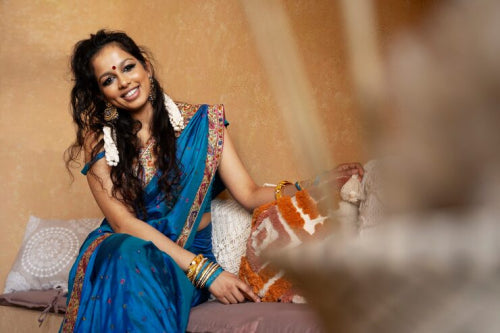
As the golden hues of autumn settle in and the aroma of fresh sweets wafts through neighborhoods, Diwali beckons with its promise of joy, renewal, and radiant gatherings. This festival of lights, set for late October in 2025, transforms homes and hearts alike, from the vibrant streets of Delhi to expatriate enclaves in San Francisco or Abu Dhabi. Amid the fireworks and feasts, ethnic attire takes center stage, embodying cultural pride and personal style. In this deep dive into Ethnic Attire Suggestions for Diwali Celebrations: Handmade Fashion Meets Tradition, we uncover how artisanal craftsmanship is elevating festive wardrobes, merging age-old techniques with contemporary appeal for discerning celebrants worldwide.
Fast fashion erodes cultural heritage, sidelining artisans and reducing traditions to trends. At IndieHaat, we champion India's craftspeople with handcrafted sarees, apparel, décor, and skincare rooted in authenticity. Each piece embodies skill and ethical care. Support artisans and preserve India's timeless legacy Shop Now!
Fashioning Festive Spirit
Diwali stands as India's premier festival of lights, symbolizing the triumph of good over evil and serving as a vibrant platform for sartorial expression. Envision elegant silk sarees catching the flicker of diyas or tailored linen kurtas facilitating warm exchanges among loved ones. This custom extends well beyond the subcontinent, thriving in diaspora hotspots across the United States, Singapore, Australia, the United Kingdom, and the United Arab Emirates, where communities host elaborate events complete with traditional dances and intricate floor art.
For countless individuals, selecting festive clothing involves balancing heritage with everyday practicality. Platforms such as IndieHaat excel here, curating handmade garments procured directly from skilled craftspeople. Far from assembly-line products, these are meticulously created using genuine materials like linen, silk, and cotton ensuring durability and ethical production. With Diwali 2025 on the horizon, consumers in these primary markets are increasingly opting for such distinctive pieces to make a lasting impression during the revelries.
The economic backdrop enhances this momentum. India's growth trajectory remains robust, with the International Monetary Fund projecting a 6.4% real GDP increase for 2025. This optimism permeates consumer behavior, particularly in festive periods. Deloitte anticipates India's GDP to expand between 6.5% and 6.7% in fiscal year 2026, bolstered by steady domestic consumption and controlled inflation. Such stability is fueling expectations for a vibrant retail season, as households prepare to indulge in celebrations.
Building on past patterns, the 2024 festive period saw India's retail sector kick off strongly, with gross merchandise value rising 24% year-over-year from late September to early October, according to Unicommerce data. Order volumes climbed 20%, while fashion and accessories surged 32%. For 2025, projections are even more promising: e-commerce festive sales are expected to exceed ₹1.15 lakh crore in GMV. Retail sales in July 2025 already grew 8% compared to the previous year, signaling sustained enthusiasm.
Emerging Trends in Diwali Ethnic Wear
Attend a Diwali soiree today, and the evolution of ethnic fashion becomes evident. Handwoven sarees and dupattas, traditionally for rare events, are now everyday staples, prized for their natural fabrics flowing linen offers breathability, while opulent silk provides sophistication. These choices not only prioritize comfort but also sustainability, resonating with environmentally aware buyers who reject synthetic alternatives.
Fusion aesthetics are captivating audiences. Consider a timeless salwar kameez updated with modern silhouettes, such as a shortened blouse teamed with flared trousers, ideal for festivities in Melbourne or Manchester. This hybrid approach caters to international tastes, where cultural roots intertwine with city sophistication. In expatriate communities of the UAE or Singapore's diverse neighborhoods, these ensembles seamlessly connect worlds.
Digital platforms propel these shifts. Instagram influencers parade handcrafted ensembles, accessorizing cotton tunics with bold ornaments for an innate radiance. Facebook communities teem with outfit ideas for Diwali, and YouTube guides demystify wrapping styles. This digital push aligns with market expansion: India's ethnic wear industry recorded revenues of USD 19,093.9 million in 2023 and is forecasted to climb to USD 30,448.6 million by 2030, advancing at a 6.9% compound annual growth rate from 2024 to 2030. While physical stores dominated in 2023, digital channels are accelerating fastest, reflecting how sites like IndieHaat democratize access to trends.
Sustainability drives festive purchases. Buyers prefer bespoke patterns to generic goods, fueled by a quest for genuineness. India's textiles and apparel landscape underpins this, as the nation ranks as the globe's second-largest producer and fifth-largest exporter of such items. The sector accounts for 2.3% of GDP, 13% of industrial output, and 10.5% of exports, with its GDP share anticipated to double to about 5% by decade's end. India holds a 4.6% portion of worldwide textiles trade and stands as the third-largest exporter. Online festive transactions are predicted to jump 27% year-on-year, surpassing ₹1.2 lakh crore, though updated estimates point to over ₹1.15 lakh crore.
Brief inspirations abound from grassroots content creators. Instagram accounts, such as anilarubyraj or ani_lakshmi, deliver authentic styling cues, elevating basic cotton scarves into focal points. These insights spur experimentation, be it in Australia's outdoor settings or the UK's intimate venues. Emerging colors for include emerald green, blush rose pink, saffron orange, and royal indigo blue, infusing vibrancy into ensembles.
Real-World Inspirations: Artisans and Wearers
Each IndieHaat offering harbors a narrative. Craftspeople in areas like Varanasi craft silk sarees adorned with elaborate patterns, their tools resounding with historical methods. In West Bengal, cotton textiles gain vitality through manual printing, yielding singular creations. These makers deliver straight to the platform, infusing every garment with cultural essence.
Diaspora patrons incorporate these into daily rituals. A household in Texas could organize a Diwali supper, the matriarch donning a linen ensemble from a remote Indian hamlet. Singapore's ethnic quarters pulse with parallel vignettes, where true apparel strengthens ties. In the UAE's skyscrapers, such clothing evokes nostalgia.
Online personalities amplify these tales. Instagram shares from svishala74 or drminimalhotra spotlight refined Diwali aesthetics silk tops matched with cotton bottoms. YouTube breakdowns of crafting build esteem. Varshaoak's content could spark a blended outfit for a Diwali gathering Down Under.
This linkage is crucial within India's textile dominance. The field significantly contributes, boasting a 4.6% global trade stake and third-place export ranking. Festivals magnify this: the Confederation of All India Traders forecasted nearly ₹4.25 lakh crore in business for 2024's season, up from ₹3.5 lakh crore prior, with Delhi exceeding ₹75,000 crore.Urban spending is eyed at ₹2.19 lakh crore. July 2025 retail growth of 8% year-on-year augurs well. Deloitte noted India's GDP advanced 8.15% year-over-year in fiscal 2023-2024, with fourth-quarter at 7.8%, surpassing estimates.
Challenges in Choosing Festive Ethnic Wear
Yet, the path isn't entirely luminous. Elevated costs frequently discourage purchasers, as artisanal work and superior textiles command premiums. Still, ponder the longevity: a heirloom silk drape versus a fleeting imitation.
Credibility concerns persist. Verifying fabric purity? IndieHaat addresses this via direct procurement, pledging solely linen, silk, and cotton. In-depth narratives and maker profiles foster assurance, vital for virtual buyers in outlying spots like Australia's interiors or UK's rural areas.
The sensory gap in online shopping poses another issue no physical interaction. Visual aids mitigate, yet doubt remains. Remedies include detailed imagery, digital fittings, and flexible exchanges. With e-commerce festive volumes set to surge 45 times, adaptations are swift.
These obstacles mirror wider trends. India's apparel arena targets US$ 146.3 billion by 2032. The Retailers Association of India reported 7% growth for 2024's festivities, below the 10% expectation, with West India at 8% and food leading at 14%. Nonetheless, Diwali's sentimental allure often prevails, converting barriers into explorations.
Opportunities and Business Impact
IndieHaat masterfully capitalizes on these. Direct artisan ties guarantee legitimacy and uplift locales. Distinctive motifs distinguish it each item one-of-a-kind, enticing those weary of sameness.
The commitment to pure materials directly combats skepticism, drawing selective clients domestically and internationally. Expansion leverages Diwali's worldwide presence in the US, Singapore, Australia, UK, and UAE. Campaigns across Facebook, Instagram, and YouTube boost visibility envision artisan livestreams or tutorial videos.
Commerce thrives in tandem. The textiles budget rose 19% to Rs. 5,272 crore for 2025-26, per updates, nurturing the field. Exports aim for US$ 45 billion by 2025. The apparel market is slated to hit US$109.45 billion in 2025. For IndieHaat, this positions artisanal garb as indispensable.
Future of Handmade Festive Wear
Gazing forward, handcrafted styles will intertwine legacy with novelty, remaining pertinent in metropolitan and overseas contexts. Analysts foresee heightened interest in eco-friendly, narrative-laden clothing, as priorities shift to significance over volume.
Adopt artisanal ethnic wear as more than mere dress it's a conduit linking eras. From India's core to distant shores, these creations brighten beyond fabrics; they ignite histories. This season, select weaves that narrate your journey, allowing the luminance to steer you onward.
Frequently Asked Questions
What are the best ethnic wear options for Diwali 2025?
The top ethnic wear choices for Diwali 2025 include handwoven silk sarees, linen kurtas, and fusion salwar kameez with modern silhouettes. Trending colors this year are emerald green, blush rose pink, saffron orange, and royal indigo blue. Opt for natural fabrics like pure silk, cotton, and linen from artisanal sources for both comfort and sustainability during the festivities.
Where can I buy authentic handmade ethnic wear for Diwali celebrations?
Platforms like IndieHaat specialize in authentic handmade ethnic wear, sourcing directly from skilled craftspeople across India. These platforms guarantee pure materials like linen, silk, and cotton while supporting traditional artisans from regions like Varanasi and West Bengal. This direct procurement model ensures authenticity and eliminates concerns about fabric purity that often arise with mass-produced alternatives.
How is the ethnic wear market growing for Diwali and festive seasons?
India's ethnic wear market is experiencing robust growth, with revenues reaching USD 19,093.9 million in 2023 and projected to hit USD 30,448.6 million by 2030. E-commerce festive sales for 2025 are expected to exceed ₹1.15 lakh crore, with fashion and accessories showing particularly strong performance. This growth is driven by increasing consumer preference for sustainable, handcrafted garments and the expanding global celebration of Diwali in diaspora communities.
Disclaimer: The above helpful resources content contains personal opinions and experiences. The information provided is for general knowledge and does not constitute professional advice.
You may also be interested in: 14 Stunning Diwali Outfit Ideas for Women in 2024 | Traditional
Fast fashion erodes cultural heritage, sidelining artisans and reducing traditions to trends. At IndieHaat, we champion India's craftspeople with handcrafted sarees, apparel, décor, and skincare rooted in authenticity. Each piece embodies skill and ethical care. Support artisans and preserve India's timeless legacy Shop Now!
Powered by flareAI.co