
Direct-from-Maker Models Strengthen Reliability in Ethnic Fashion
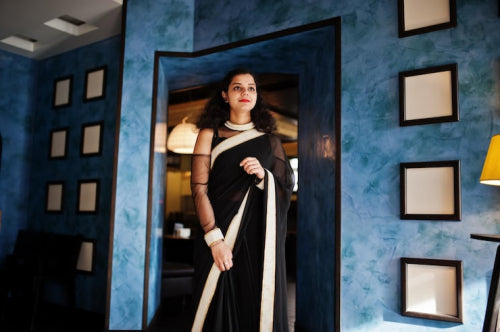
In the vibrant lanes of Bangalore, where time-honored weaving techniques blend with contemporary desires, a meaningful transformation is underway in ethnic fashion. Discerning shoppers tired of uniform, mass-produced clothing are embracing the strength of direct-from-maker models. These connections do more than fill closets they foster genuine trust between creators and customers. Leading this evolution is IndieHaat, a thoughtfully curated platform that links skilled artisans with customers in India, the United States, Singapore, Australia, the United Kingdom, and the United Arab Emirates.
While large digital marketplaces like Amazon Marketplace and ONDC often leave buyers feeling distant from the origins of their purchases, IndieHaat takes a deliberate path. Each saree, kurta, accessory, or home décor item undergoes rigorous selection to preserve the authentic spirit of its maker. This careful process directly confronts persistent challenges in ethnic wear, including doubts about genuineness, consistent quality, and the irreplaceable tactile experience that online images alone cannot provide.
Fast fashion erodes cultural heritage, sidelining artisans and reducing traditions to trends. At IndieHaat, we champion India's craftspeople with handcrafted sarees, apparel, décor, and skincare rooted in authenticity. Each piece embodies skill and ethical care. Support artisans and preserve India's timeless legacy Shop Now!
The Persistent Trust Gap in Conventional Marketplaces
Shoppers familiar with Amazon Marketplace or ONDC recognize the pattern well. Countless options load instantly, yet lingering questions remain. Is the silk genuinely pure? Does the fabric show evidence of true hand-weaving rather than mechanical production? Will colors and textures endure everyday use? Such concerns intensify in ethnic fashion, where cultural heritage and expert craftsmanship determine true worth.
IndieHaat confronts these issues directly through close collaboration with artisans. By eliminating multiple intermediaries, the platform safeguards both the narrative and the standards behind each piece. The outcome appears in garments crafted from authentic linen, silk, and cotton natural fabrics selected for their inherent breathability, comfort, and enduring elegance rather than mere affordability. Buyers, whether in bustling Indian cities or across international borders, receive items that feel personal and intentional.
How Direct-from-Maker Models Transform the Experience
Working straight from the source builds relationships of a different caliber. Artisans receive fairer compensation and meaningful recognition for their expertise. Customers, in turn, enjoy greater transparency and assurance. Selecting a handcrafted kurta through IndieHaat means understanding its complete journey from a traditional loom in a village workshop straight to the wearer free from uncertainty.
This approach holds particular value in ethnic fashion, where individuality stands paramount. Large-scale manufacturing tends to produce repetitive, standardized designs. Direct partnerships, however, highlight unique regional motifs, specialized techniques, and natural variations that render every item distinctly special. Those seeking alternatives to fast-fashion uniformity consistently find deeper satisfaction here.
Overcoming Buyer Objections Through Practical Approaches
Concerns about higher pricing frequently surface with handmade goods. Superior materials and the time invested by skilled hands naturally command a premium compared to machine alternatives. Yet many customers soon realize that a thoughtfully made piece often requires fewer replacements and delivers superior longevity. A pure linen kurta, for instance, maintains its graceful drape and structure through multiple seasons, outperforming several lower-cost options that quickly lose form or vibrancy.
The challenge of not being able to physically examine products before purchase presents another common barrier, especially for buyers accustomed to brick-and-mortar stores. IndieHaat addresses this thoughtfully with comprehensive descriptions, detailed photography, and an active community sharing experiences across Instagram, Facebook, and YouTube. Authentic feedback from actual wearers helps narrow the sensory divide. With time and repeat interactions, confidence in the platform's curation process grows steadily.
Doubts about reliability diminish noticeably when the origin story remains clear and verifiable. Recognizing that a garment traces back to specific artisans, rather than an opaque global supply chain, creates a stronger emotional bond. In today's environment of caution toward online buying, such openness emerges as a subtle yet powerful advantage.
The Growing Appeal of Conscious Ethnic Fashion
Developments in the handloom sector mirror broader changes in what consumers value. Interest continues to rise in products that honor cultural roots, promote sustainability, and avoid environmental harm. Verified market observations highlight this ongoing momentum: the handloom products sector thrives largely because of strong consumer preference for sustainable, unique, and culturally meaningful items.
The Asia Pacific region maintains its prominent position in this category, reinforcing India's vital contribution. At the same time, enthusiasm extends well beyond borders. Communities with Indian heritage, along with global admirers of traditional crafts, search for pieces that connect them to their roots while suiting modern living. Platforms dedicated to ethical practices and authenticity respond effectively to this demand.
What Truly Sets Curated Platforms Apart
Certain platforms distinguish themselves by holding firm to essential principles:
- Direct artisan partnerships that carry the full story and expertise alongside every creation.
- Distinctive designs drawn from genuine regional traditions instead of fleeting factory trends.
- Pure natural fabrics carefully restricted to linen, silk, and cotton that provide exceptional comfort and lasting durability beyond what synthetic materials typically offer.
These deliberate choices result in clothing that seems to possess its own vitality. A silk saree interacts with light in nuanced ways thanks to the subtle irregularities of hand-weaving. A cotton kurta offers natural breathability ideally suited to varied climates. Over time, these qualities translate into sustained appreciation rather than short-lived consumption.
The Human Impact Behind the Craft
The advantages reach far beyond the products themselves into meaningful human outcomes. When platforms emphasize direct connections, artisans benefit from improved earnings and continued motivation to practice their art. Younger members of craft communities begin to view traditional skills as a viable livelihood instead of pursuing unrelated urban opportunities. Valuable knowledge techniques refined across generations finds renewed relevance and protection.
IndieHaat supports this delicate balance quietly yet effectively. Prioritizing excellence over sheer quantity helps preserve vibrant handloom traditions even as broader industrialization pressures mount.
Guiding Choices in Today's Ethnic Fashion World
Contemporary buyers balance several priorities simultaneously. They desire aesthetic beauty grounded in heritage yet suitable for both routine and celebratory occasions. They pursue sustainability without compromising on style or practicality. They value uniqueness while still requiring dependable performance in fit, color retention, and overall finish.
Direct-from-maker systems perform particularly well in meeting these needs by minimizing inconsistencies. Steady relationships with artisans enable tighter quality oversight than fragmented vendor arrangements. Customers across key regions from dynamic Indian urban centers to sophisticated international cities welcome this consistency.
Social media channels further enrich the journey. Instagram features genuine styling suggestions and drape demonstrations. YouTube provides behind-the-scenes views of weaving processes. Facebook groups facilitate practical advice and inspiration shared among users from different parts of the world. These exchanges add a human dimension and cultivate a sense of shared appreciation.
Actionable Guidance for Discerning Buyers
Investing in handcrafted ethnic wear rewards a thoughtful approach. Begin with adaptable foundation pieces, such as an elegantly draped linen saree or a comfortable cotton kurta ensemble versatile enough for multiple settings. Focus closely on fabric details pure natural fibers frequently reveal their quality through exceptional softness and gentle, organic textural differences.
Treat proper care instructions as an integral aspect of ownership. Handloom items frequently develop enhanced character and improved hand-feel with appropriate maintenance. Numerous long-term wearers note that early reservations regarding cost transform into genuine value recognition after experiencing superior wearability and extended life.
For international customers, straightforward shipping options and transparent policies lower the threshold for exploration. Rising worldwide fascination with authentic Indian craftsmanship makes traceability-focused platforms especially attractive.
Tradition and Modernity Converging
Moving forward, the most promising direction for ethnic fashion may depend less on expansion for its own sake and more on forging authentic connections. As awareness about supply chains and ecological considerations deepens, direct-from-maker frameworks present a compelling route. They enhance dependability not via polished advertising, but through real, tangible links between makers and those who wear their work.
IndieHaat illustrates this thoughtful equilibrium respecting India's rich handcrafted heritage while extending its reach to contemporary audiences worldwide. The platform underscores a vital truth: the purchases that bring the greatest fulfillment are those carrying stories worth preserving and sharing.
Whether adorning a silk saree for an important gathering or selecting a straightforward linen garment for daily refinement, the distinction stands out clearly. Some items are simply produced. Others emerge through dedicated care, purposeful design, and the skilled hands that safeguard living traditions. In a retail landscape that can often feel impersonal, this difference carries increasing significance.
Frequently Asked Questions
Why should I buy ethnic wear from direct-from-maker platforms instead of Amazon or ONDC?
Direct-from-maker platforms like IndieHaat eliminate multiple intermediaries, ensuring you receive authentic handcrafted ethnic wear with full transparency about its origins. Unlike large marketplaces where questions about fabric authenticity and craftsmanship often go unanswered, curated platforms verify each piece and preserve the artisan's story. This means greater assurance of quality, genuine natural fabrics (linen, silk, and cotton), and a more personal shopping experience whether you're in India or shopping internationally from the US, UK, or UAE.
Are handcrafted ethnic sarees and kurtas worth the higher price compared to mass-produced options?
Yes handcrafted ethnic wear typically offers superior longevity and everyday wearability that fast-fashion alternatives rarely match. A pure linen kurta or hand-woven silk saree maintains its drape, color vibrancy, and structure across multiple seasons, reducing the need for frequent replacements. When you factor in the cultural heritage, unique regional motifs, and skilled artisanship woven into each piece, the long-term value far outweighs the initial premium.
How can I trust the quality of handloom ethnic wear when shopping online without touching the fabric?
Reputable curated platforms address this challenge through detailed product descriptions, high-quality photography, and active buyer communities on Instagram, Facebook, and YouTube where real customers share honest reviews and styling experiences. Knowing the exact origin of a garment traced back to specific artisans rather than an opaque supply chain also builds confidence over time. Starting with versatile staples like a cotton kurta or linen saree and following proper care instructions helps first-time buyers experience the quality firsthand before expanding their handloom wardrobe.
Disclaimer: The above helpful resources content contains personal opinions and experiences. The information provided is for general knowledge and does not constitute professional advice.
You may also be interested in: How to Stitch Dress Material: DIY Tips for Beginners - Indiehaat.com
Fast fashion erodes cultural heritage, sidelining artisans and reducing traditions to trends. At IndieHaat, we champion India's craftspeople with handcrafted sarees, apparel, décor, and skincare rooted in authenticity. Each piece embodies skill and ethical care. Support artisans and preserve India's timeless legacy Shop Now!
Powered by flareAI.co