
How Handcrafted Pottery Is Making a Comeback in Urban Indian Homes
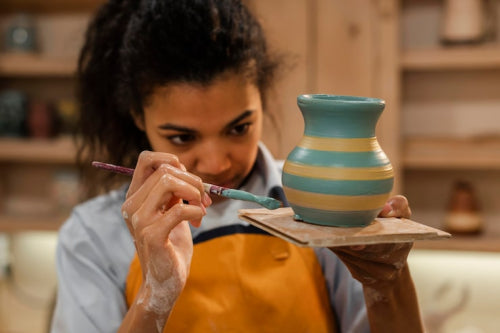
In Bengaluru's vibrant Indiranagar, a software engineer pauses mid-sip from a hand-thrown terracotta mug, its uneven rim catching the dawn light filtering through floor-to-ceiling windows. This simple vessel, shaped on a Rajasthan wheel, has become the centerpiece of a quiet movement reshaping urban Indian interiors.
Step inside any contemporary residence in Pune's Koregaon Park or Delhi's Vasant Vihar, and the evidence is unmistakable: terracotta vases cradle fresh marigolds, stoneware platters anchor minimalist dining tables, and hand-glazed planters cascade with trailing pothos. The resurgence isn't mere nostalgia. The global pottery ceramics sector underscores the scale valued at USD 12.43 billion in 2024, it is forecast to expand to USD 19.21 billion by 2034, advancing at a compound annual growth rate of 4.45% from 2025 onward. This growth stems directly from surging appetite for sustainable, handcrafted, and visually striking products in homes, décor, and hospitality.
The transformation runs deeper than aesthetics. Stainless steel and injection-molded plastics, once unchallenged staples, now share shelf space with clay. A Mumbai interior designer scrolling IndieHaat's feed remarks, “My mother served chai in kulhars, but I never imagined they'd elevate a Scandinavian-inspired kitchen.”
Fast fashion erodes cultural heritage, sidelining artisans and reducing traditions to trends. At IndieHaat, we champion India's craftspeople with handcrafted sarees, apparel, décor, and skincare rooted in authenticity. Each piece embodies skill and ethical care. Support artisans and preserve India's timeless legacy Shop Now!
Sustainability Meets Urban Aspiration
Asia Pacific currently holds the dominant position, commanding 44% of the worldwide market in 2024, propelled by centuries-old production centers and rich cultural legacies. Yet the most rapid expansion is unfolding in North America, where affluent consumers fuel demand for premium lifestyle goods. Indian city dwellers sit at this dynamic crossroads exporting heritage while embracing global design currents.
Stoneware remains the bedrock segment, capturing 36% of the market thanks to its robustness and accessible pricing. Meanwhile, the porcelain and bone china category is accelerating fastest, reflecting a surge in luxury dining preferences. These high-end pieces now grace tables in Dubai's skyline residences and Singapore's executive condominiums, often paired with Indian stoneware for textured contrast.
In Australia, adherents of “slow living” have elevated Indian terracotta planters to social media icons. London's Shoreditch design studios import fair-trade pottery that carries the narrative of Khurja's six-century legacy. Dubai's upscale cafés deploy glazed Indian ceramics capable of enduring intense heat while preserving their handcrafted character.
The appeal transcends borders because the medium communicates universally. A thumb-indented mug from a West Bengal atelier feels equally authentic in a compact Singapore HDB flat or a spacious UK townhouse, its tactile imprint a quiet testament to human artistry in a digital age.
Direct Artisan Connections Power the Revival
IndieHaat functions as the vital conduit linking rural potters with metropolitan buyers. Artisans in Rajasthan's remote hamlets employing the same iron-rich clay passed down through generations now dispatch finished works straight to high-rise balconies in Bengaluru and Gurugram. By bypassing layers of intermediaries, the platform guarantees fair remuneration for creators while maintaining price points that rival mass-produced options.
Trust poses a persistent challenge in digital artisan commerce. How can a buyer in Chennai confirm a bowl's provenance? IndieHaat resolves this through rigorous transparency: every listing includes the maker's verified profile, complete with workshop imagery and craftsmanship credentials. A Singapore-based patron notes, “Watching the potter center the clay on the wheel turned a transaction into a connection.”
Cost perceptions demand equal attention. Handcrafted pottery undeniably carries a premium over factory equivalents. Yet context reframes value. When purchasers recognize that 40 dollars invested in a terracotta planter sustains livelihoods and safeguards vanishing skills versus disposable décor destined for landfills the equation shifts decisively.
Overcoming the Tactile Barrier
The absence of physical interaction before purchase remains a legitimate hurdle. IndieHaat counters with immersive multimedia narratives. Instagram Reels capture the rhythmic slap of wet clay against skilled palms; YouTube documentaries trace the firing cycle as kilns blaze against dusk. These are not promotional flourishes but portals to genuineness.
Influencer @ani_lakshmi exemplifies the approach. Her Bangalore apartment showcases IndieHaat acquisitions in daily use terracotta lamps diffusing amber glow across linen upholstery, stoneware serveware hosting weekend gatherings. The lived-in visuals reassure prospective buyers: if it integrates seamlessly here, it will in my space too.
Community platforms extend the conversation. Facebook circles in Hyderabad exchange seasoning techniques for new clay cookware and microwave-safe glaze identifiers. YouTube channels run by UAE-based Indian expatriates illustrate Emirati majlis sweets presented in Indian ceramic trays, forging culinary bridges that resonate across continents.
Market Data Confirms the Cultural Shift
Domestic consumption of handmade home décor climbed 18% in 2024, per the Export Promotion Council for Handicrafts. Khurja pottery registered a striking 40% rise in urban e-commerce orders. National pottery exports surged 30% in fiscal 2023–24, with the United States, United Arab Emirates, and United Kingdom emerging as primary destinations. These metrics illuminate more than commercial expansion they signal a profound reconnection with heritage.
Singapore's design enclaves now juxtapose Indian earthenware against Nordic restraint. Coastal Australian residences pair cobalt-glazed vases with weathered timber. The unifying thread? A collective yearning for objects imbued with narrative in an era of uniformity.
The Potter Behind the Piece
Every data point represents a living artisan. In West Bengal's Kumartuli precincts, craftsmen once devoted exclusively to festival idols now produce sleek contemporary tableware. Their earnings fund education for the next generation, extending impact far beyond individual transactions.
IndieHaat demonstrates that profitability and preservation can coexist. By mandating pure clay bodies free of synthetic additives, the platform upholds the material integrity that first captivated discerning buyers. Linen runners and cotton napkins complement silk-glazed ceramics, curating harmonious tablescapes rooted in natural fibers.
A Lasting Cultural Investment
The pottery renaissance transcends passing décor fads. Amid towering concrete cityscapes, these clay artifacts serve as tangible anchors to earth and ancestry. They affirm that true elegance often resides in the subtle irregularities of human hands.
The National Institute of Design emphasizes that fusing traditional techniques with modern retail frameworks is essential for safeguarding India's craft legacy. Platforms like IndieHaat execute this fusion flawlessly, transforming village kilns into global networks while preserving uncompromised authenticity.
Next time you raise a hand-thrown vessel to your lips, trace its odyssey: riverbed clay gathered at dawn, shaped on a humming wheel, fired beneath starlit skies, and delivered to your urban table. In that unhurried sip of morning chai, you partake in a renaissance one that reveres centuries of mastery while crafting sustainable, soulful homes for generations ahead.
Frequently Asked Questions
How can I buy authentic handcrafted pottery online in India?
Platforms like IndieHaat connect urban buyers directly with rural artisans, ensuring authenticity through verified maker profiles, workshop imagery, and craftsmanship credentials. These platforms bypass intermediaries to offer fair prices while guaranteeing genuine handmade products from traditional pottery centers like Rajasthan, Khurja, and West Bengal. Multimedia content including Instagram Reels and YouTube documentaries helps buyers understand the creation process and verify the provenance of each piece before purchase.
Is handcrafted pottery more expensive than factory-made ceramics?
While handcrafted pottery typically carries a premium over mass-produced alternatives, the investment supports artisan livelihoods and preserves centuries-old crafting traditions. When considering that a handmade terracotta planter or stoneware piece is durable, sustainable, and uniquely crafted—versus disposable décor destined for landfills—the value proposition shifts significantly. Additionally, direct-to-consumer platforms have made artisanal pottery more accessible by eliminating middlemen and offering competitive pricing.
Why is handcrafted pottery becoming popular in Indian urban homes?
Handcrafted pottery is experiencing a renaissance in urban Indian homes due to a growing preference for sustainable, authentic, and visually striking home décor. City dwellers are moving away from mass-produced plastics and steel, embracing terracotta vases, stoneware platters, and hand-glazed planters that combine heritage craftsmanship with contemporary design aesthetics. The global pottery ceramics market, valued at USD 12.43 billion in 2024, reflects this shift toward mindful consumption and artisanal products.
Disclaimer: The above helpful resources content contains personal opinions and experiences. The information provided is for general knowledge and does not constitute professional advice.
You may also be interested in: Buying Indian Crafts Online: Avoiding Counterfeit Products
Fast fashion erodes cultural heritage, sidelining artisans and reducing traditions to trends. At IndieHaat, we champion India's craftspeople with handcrafted sarees, apparel, décor, and skincare rooted in authenticity. Each piece embodies skill and ethical care. Support artisans and preserve India's timeless legacy Shop Now!
Powered by flareAI.co