
Fostering Confidence Through Detailed Craft Narratives
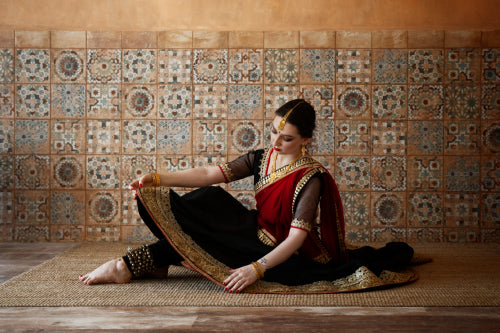
In an age of endless online options, what makes a shopper pause over a handcrafted Tussar saree or a bolt of pure linen dress material? For growing numbers of conscious consumers across India, the United States, Singapore, Australia, the United Kingdom, and the UAE, it's the human story behind the weave the weaver's skill passed down through generations, the careful selection of natural fibres, and the cultural heritage captured in every thread.
This is the essence of detailed craft narratives, an approach that is reshaping how brands like IndieHaat connect buyers with India's timeless handloom traditions.
Fast fashion erodes cultural heritage, sidelining artisans and reducing traditions to trends. At IndieHaat, we champion India's craftspeople with handcrafted sarees, apparel, décor, and skincare rooted in authenticity. Each piece embodies skill and ethical care. Support artisans and preserve India's timeless legacy Shop Now!
Crafting Trust Through Storytelling
Storytelling has always been central to Indian culture, from ancient epics recited during family gatherings to heirloom sarees treasured across generations and proudly worn at weddings, festivals, and special occasions. In the artisanal marketplace, it serves as a powerful bridge, transforming anonymous products into meaningful connections that resonate deeply with buyers seeking authenticity in a world flooded with mass-produced goods.
Consumers today crave more than just beautiful fabrics they want to know who made their linen saree, how the Tussar silk was harvested from the forests of Bihar or Jharkhand, and why these pure fabrics linen, silk, and cotton stand apart in both feel and spirit. IndieHaat, the Bangalore-based curated e-commerce brand, embodies this philosophy. By partnering directly with artisans, the company ensures every item, whether a stunning Tussar saree or elegant dress material, is chosen for its quality, cultural resonance, and ethical production. Unlike typical marketplaces, IndieHaat's rigorous selection process highlights handmade items sourced straight from the makers, celebrating unique designs and authentic pure fabrics that keep sustainable traditions alive.
Emerging Trends in Artisan Storytelling
Across target markets, brands are embracing localized narrative marketing. In India and the UAE, artisan backstories take centre stage, helping buyers appreciate the hours of labour and living heritage woven into each piece. Digital transformation has accelerated this shift, with platforms like Instagram, Facebook, and YouTube becoming vital channels for narrating the craft process from the rhythmic clack of the loom to the final intricate border.
Consumer behaviour is evolving in step. Shoppers in India and Singapore increasingly favour detailed, transparent narratives over generic product descriptions. In the US, online platforms host live artisan sessions, allowing international audiences to witness the creation in real time and feel a personal connection despite the distance.
One indicator of this momentum comes from the handloom sector itself. The handloom product market is expanding steadily, supported by rising consumer appreciation for traditional craftsmanship, sustainable production methods, and unique textile designs. Increased demand for eco-friendly and culturally significant products has reinforced the role of handloom goods in both domestic and international markets, with sarees remaining the leading segment.
Real-World Examples and Applications
IndieHaat stands out as a compelling case study. By featuring artisan profiles alongside products like linen sarees and Tussar sarees on its digital platforms, the brand brings the maker's voices directly to customers. Shoppers discover the regional techniques, the pure natural fibres used, and the direct sourcing that ensures fair returns to the artisans while preserving age-old skills.
Similar strategies appear in other markets. In Singapore, e-commerce platforms promote handcrafted textiles through immersive storytelling that resonates with local appreciation for cultural craftsmanship. Luxury retailers in the UK and Australia leverage behind-the-scenes craft videos to differentiate authentic handmade items, helping buyers feel confident about the premium nature of true artisanal work.
These examples demonstrate how narratives turn high-value purchases of apparel, accessories, home décor, and even artisanal skincare into informed, emotionally resonant decisions bridging the gap between distant buyers and Indian artisans. For Indian buyers, this means connecting with the weaver's story during wedding season shopping or festival preparations, making the experience far more personal than a simple click-to-buy.
Overcoming Common Objections in Online Craft Sales
Even with growing interest, buyers often hesitate. High pricing prompts questions about value. A trust deficit emerges when purchasing from afar, especially on competitive marketplaces like Amazon or India's ONDC. And without the chance to touch and feel the fabric in person, doubts linger about quality, drape, and authenticity of pure handloom fabrics like Tussar sarees or linen dress materials.
Detailed craft narratives address these concerns head-on. By sharing the full journey of a specific linen dress material from the artisan's village workshop to the finished garment brands justify the investment through the visible skill, time, and ethical practices involved. Short videos on Instagram or YouTube let viewers virtually experience the texture and movement, while artisan stories build emotional trust that proves the item's uniqueness and cultural significance.
For IndieHaat's global audience, this transparency transforms potential objections into compelling reasons to choose handmade with confidence. A customer in the UK might watch a weaver explain the natural dyeing process for a Tussar silk saree and immediately understand why the piece feels special and worth the price.
Practical Applications for Product Listings and Marketplaces
Integrating rich narratives into product listings is both straightforward and remarkably effective. On Amazon Marketplace or ONDC, beyond standard specifications, sellers can include short videos of the weaving process, artisan interviews, or stories tied to regional traditions and sustainable practices. For Tussar sarees and linen sarees, descriptions go deeper than measurements they evoke the inspiration behind unique designs and the care that ensures longevity.
This approach reduces perceived risk for high-ticket handmade apparel and décor, encouraging conversions even in fast-paced online environments where competition is fierce. Brands can also create dedicated Instagram Reels or YouTube shorts showcasing the entire craft journey, turning passive scrollers into engaged, confident buyers who appreciate the value of authentic handcrafted dress materials.
Challenges and the Road Ahead
Storytelling is not without its hurdles. Content overload risks overwhelming busy consumers, diluting engagement if every detail is shared without focus. Brands must strike a balance offering depth without excess while remaining culturally sensitive to diverse audiences from Mumbai to Melbourne or Dubai to New York.
Yet the opportunities far outweigh the limitations. By fostering these connections, e-commerce brands empower artisans economically, sustain India's rich handloom legacy, and help consumers acquire not just products but pieces of living culture that enrich wardrobes, homes, and daily life whether it's a linen saree for a family function or home décor that carries the warmth of Indian craftsmanship.
Opportunities for Meaningful Commerce
Forward-thinking brands have a clear path forward. By leveraging detailed craft narratives consistently across Instagram, Facebook, and YouTube, they can build loyal communities that value authenticity over anonymity. IndieHaat's model direct artisan partnerships, unwavering focus on pure linen, silk, and cotton fabrics, and commitment to unique, culturally rooted designs serves as a powerful blueprint for success in both domestic and international markets.
In the end, every handcrafted saree, dress material, or accessory carries far more than beauty; it carries a legacy of skill, community, and sustainability. By sharing these stories openly and authentically, brands like IndieHaat do more than sell products they sustain traditions, support creative communities, and empower global consumers to buy with genuine confidence and pride.
As shoppers increasingly seek deeper meaning in their purchases, the brands that master the art of craft narratives will lead the way in preserving India's artisanal heritage while creating lasting connections across borders. This thoughtful approach not only addresses the unique needs of buyers in India and abroad but also strengthens the entire ecosystem of handloom artisans, ensuring these timeless crafts continue to thrive for generations to come.
Frequently Asked Questions
Why do detailed craft narratives help build trust when buying handloom sarees online?
Craft narratives give buyers a transparent look into the full journey of a product from the artisan's workshop to the finished piece addressing common concerns about quality, authenticity, and pricing. When shoppers can see the weaving process through short videos or read about the regional techniques behind a Tussar saree or linen dress material, they develop an emotional connection that replaces in-person touch and feel. This storytelling approach is especially effective on platforms like Instagram and YouTube, where brands like IndieHaat share artisan profiles that turn a purchase into a meaningful, informed decision.
How are e-commerce brands using storytelling to sell authentic Indian handloom and artisan products globally?
Brands like IndieHaat partner directly with weavers and artisans to feature their stories alongside product listings on digital platforms, making the maker's voices a central part of the shopping experience. Across markets in India, the US, Singapore, the UK, and the UAE, localized narrative marketing including live artisan sessions, behind-the-scenes craft videos, and detailed origin stories helps international buyers appreciate the cultural significance and skilled labour embedded in each handcrafted piece. This strategy not only drives conversions on competitive marketplaces like Amazon and ONDC but also builds loyal communities that value authenticity over mass-produced alternatives.
What makes handloom sarees and pure fabric dress materials worth the premium price?
Handloom sarees whether Tussar silk, linen, or cotton are crafted using traditional techniques passed down through generations, with natural fibres often sourced directly from regions like Bihar and Jharkhand, making each piece culturally unique and ethically produced. Unlike factory-made textiles, these products involve hours of skilled artisan labour and sustainable practices that justify the higher investment. Detailed craft narratives, such as a weaver explaining the natural dyeing process for a Tussar silk saree, help buyers understand precisely what they're paying for a living piece of India's handloom heritage, not just a garment.
Disclaimer: The above helpful resources content contains personal opinions and experiences. The information provided is for general knowledge and does not constitute professional advice.
You may also be interested in: Handcrafted Sarees Showcase Diversity of India's Regional Weaves
Fast fashion erodes cultural heritage, sidelining artisans and reducing traditions to trends. At IndieHaat, we champion India's craftspeople with handcrafted sarees, apparel, décor, and skincare rooted in authenticity. Each piece embodies skill and ethical care. Support artisans and preserve India's timeless legacy Shop Now!
Powered by flareAI.co