
Handloom Storytelling Through Fabrics and Design
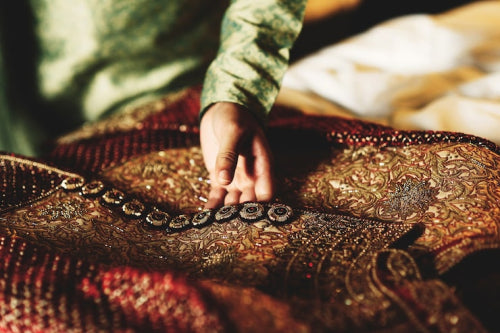
In the bustling lanes of Indian villages and weaving clusters, handloom textiles continue to narrate stories of skill, patience, and cultural identity that mass-produced garments simply cannot match. A Tussar saree, with its natural golden sheen and textured drape, carries the legacy of generations of weavers who have perfected their craft over decades. As Indian consumers across metros and small towns seek meaningful connections in their wardrobes and homes, handloom and handicraft products are experiencing renewed appreciation as living embodiments of heritage.
This resurgence goes beyond mere tradition. It represents a conscious choice for authenticity amid fast fashion and mass production. Handloom Storytelling Through Fabrics and Design examines how artisan-made sarees, dress materials, and home décor are seamlessly integrating into contemporary Indian lifestyles while preserving age-old techniques.
Fast fashion erodes cultural heritage, sidelining artisans and reducing traditions to trends. At IndieHaat, we champion India's craftspeople with handcrafted sarees, apparel, décor, and skincare rooted in authenticity. Each piece embodies skill and ethical care. Support artisans and preserve India's timeless legacy Shop Now!
The Enduring Cultural Significance of Handloom Textiles
Handloom fabrics have long been more than clothing or décor in India. Each motif, weave pattern, and natural dye shade reflects specific regional identities, seasonal rhythms, and community traditions. From the luxurious Banarasi silk to breathable linen drapes suited for Indian climates, these textiles connect wearers to their roots whether worn during family functions, festivals like Diwali and Navratri, or even in professional settings that celebrate cultural confidence.
Platforms like IndieHaat, a Bangalore-based curated e-commerce brand, play a pivotal role by partnering directly with artisans. This approach ensures quality, cultural authenticity, and fair practices, offering a collection of handmade apparel, accessories, home décor, and artisanal products that feel personal and meaningful rather than mass-market.
Shifting Preferences Towards Authentic Indian Handicrafts
Indian consumers today prioritise pieces with soul and substance. Linen sarees and Tussar sarees have gained popularity for their comfort in varying climates, versatility for both festive occasions and daily elegance, and the unique character that comes from handcrafted production. Dress materials allowing local tailoring further empower customers while sustaining traditional skills.
This trend aligns with growing awareness around sustainability and ethical sourcing. Shoppers want transparency about who made their products and the conditions involved. Curated brands address this by building direct relationships with weaving communities, focusing on pure natural fabrics like linen, silk, and cotton instead of synthetic blends.
Why Pure Fabrics Resonate in India
- Superior comfort: Natural fibres breathe better in India's diverse climates and age beautifully with proper care.
- Cultural relevance: Traditional weaves evolved specifically for regional needs and aesthetics.
- Environmental mindfulness: Minimal processing and avoidance of harmful synthetics support eco-conscious living.
India's Vibrant Handicrafts Sector and Artisan Empowerment
The journey of each handloom piece begins in artisan clusters across states like West Bengal, Uttar Pradesh, Tamil Nadu, and others. Artisans invest individual attention and expertise into every creation something industrial manufacturing cannot replicate. According to verified industry insights, the India handicrafts market reached USD 4,565.0 Million in 2024 and is projected to grow significantly, driven by rising appreciation for ethnic and handmade décor, e-commerce expansion, government export initiatives, tourism, and demand for sustainable products.
Direct sourcing models like IndieHaat's ensure better returns flow back to makers while delivering distinctive designs that stand out from generic options available on larger marketplaces. This approach strengthens rural economies and keeps traditional knowledge alive for future generations.
Global Diaspora and Modern Applications of Indian Textiles
Indian professionals in metropolitan cities and abroad incorporate Tussar and linen pieces into everyday and formal wardrobes. In the US, UK, Singapore, Australia, and UAE, these textiles enhance homes through cushion covers, throws, and wall art that add warmth and narrative depth. Social media has been instrumental, with artisan profiles and process videos building trust and helping buyers appreciate the value behind each creation.
Contemporary collaborations between designers and traditional weavers produce limited editions that honour original techniques while adapting to modern tastes whether through fusion silhouettes or colour palettes popular across regions.
Overcoming Challenges in Handloom Appreciation
Handcrafted items often come at a premium due to the time, skill, and quality materials involved. For discerning buyers, this represents an investment in longevity, uniqueness, and community support rather than a one-time purchase. IndieHaat emphasises these aspects, helping customers understand the true value.
Building online trust remains important. High-quality imagery, detailed fabric descriptions, artisan stories, and transparent policies help overcome hesitation about purchasing high-value items without physical touch. Many customers discover that the authenticity and narrative offered by specialised platforms outweigh the convenience of generic alternatives.
The IndieHaat Difference: Authentic Connections
What distinguishes IndieHaat is its unwavering commitment to genuine handloom and handicraft work. Every piece is thoughtfully selected for quality and cultural integrity. Customers receive not merely products but rich context about the originating region, artisan community, and design significance.
This resonates deeply with conscious consumers who want purchases that contribute positively. Whether selecting a Tussar saree for a wedding, linen dress material for custom tailoring, or meaningful home décor, buyers participate in preserving India's artisanal heritage.
Sustainability and the Future of Indian Craft Traditions
The broader movement towards sustainable choices complements handloom revival. By supporting traditional techniques that use natural resources mindfully, consumers contribute to environmental well-being alongside cultural preservation. Government schemes promoting handicraft exports and skill development further bolster these efforts.
Instagram and other platforms amplify artisan voices, showcasing the human stories and intricate processes. This transparency addresses common concerns and elevates perceived value as buyers witness the dedication involved.
Embracing Handloom in Contemporary Indian Life
Picture a professional woman in Mumbai or Bangalore draping a lightweight linen saree for important meetings followed by evening rituals. Or families across India and the diaspora celebrating festivals where handcrafted textiles become centrepieces of joy and tradition. These real scenarios highlight how handloom integrates beautifully into modern routines.
As appreciation grows, the handloom sector evolves through artisan dedication and mindful patronage. Curated platforms play a crucial role in ensuring economic viability and cultural continuity.
“The most powerful designs are those that carry memory in their folds.”
Starting Your Handloom Journey with Confidence
Whether drawn to the understated elegance of linen sarees, the distinctive texture of Tussar silk, or versatile dress materials for personalised styling, the world of Indian handloom offers rich possibilities. Supporting brands that maintain close artisan partnerships transforms each purchase into an act of cultural stewardship and creative empowerment.
The looms of India continue weaving stories of resilience and beauty. By choosing authentic handicrafts, consumers help ensure these traditions not only survive but thrive, enriching lives and wardrobes for generations to come. IndieHaat exemplifies how commerce, when grounded in respect and direct relationships, becomes a powerful force for heritage preservation.
Frequently Asked Questions
What makes handloom sarees like Tussar and linen more valuable than mass-produced alternatives?
Handloom sarees are crafted by skilled artisans who invest individual attention and expertise into every piece, making each one truly unique. Fabrics like Tussar silk and linen are made from natural fibres that breathe better in India's diverse climates and age beautifully with proper care. Unlike mass-produced garments, they carry regional cultural identity, traditional weave patterns, and natural dye techniques passed down through generations qualities that factory production simply cannot replicate.
Why are Indian consumers increasingly choosing authentic handloom and handicraft products?
Modern Indian consumers are drawn to handloom textiles for their authenticity, sustainability, and cultural resonance in a world dominated by fast fashion. There is growing demand for transparency around ethical sourcing shoppers want to know who made their products and under what conditions. Curated platforms that partner directly with artisan communities meet this need by offering pure natural fabrics like silk, linen, and cotton, along with the stories behind each creation.
How big is India's handicrafts market and what is driving its growth?
India's handicrafts market reached USD 4,565.0 million in 2024 and is projected to grow significantly in the coming years. Key growth drivers include rising appreciation for ethnic and handmade décor, the expansion of e-commerce, government export initiatives, and increasing global demand for sustainable, artisan-made products. The Indian diaspora in countries like the US, UK, Singapore, and UAE is also fuelling demand, incorporating traditional textiles into both wardrobes and home décor.
Disclaimer: The above helpful resources content contains personal opinions and experiences. The information provided is for general knowledge and does not constitute professional advice.
You may also be interested in: Tussar Silk Emerges as Preferred Choice for Lightweight Elegance
Fast fashion erodes cultural heritage, sidelining artisans and reducing traditions to trends. At IndieHaat, we champion India's craftspeople with handcrafted sarees, apparel, décor, and skincare rooted in authenticity. Each piece embodies skill and ethical care. Support artisans and preserve India's timeless legacy Shop Now!
Powered by flareAI.co