
Linen and Cotton Blends Offer Comfort and Versatility for Modern Lifestyles
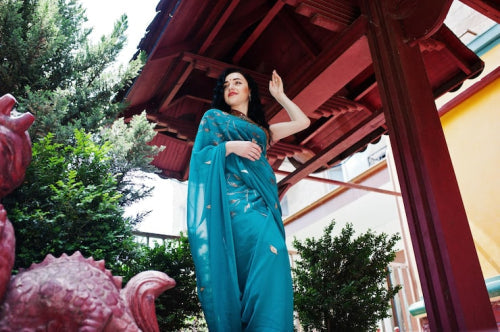
Eco-conscious choices, and year-round fashion needs, people are turning to fabrics that do more than just look good they deliver real comfort, breathability, and practicality. Linen and cotton blends stand out as a smart, sustainable option that has gained steady popularity among those who want clothing that moves with their lives.
Fast fashion erodes cultural heritage, sidelining artisans and reducing traditions to trends. At IndieHaat, we champion India's craftspeople with handcrafted sarees, apparel, décor, and skincare rooted in authenticity. Each piece embodies skill and ethical care. Support artisans and preserve India's timeless legacy Shop Now!
The Appeal of Natural Fibers in Everyday Wear
Natural fabrics have always held a special place in wardrobes because they feel alive and responsive. Linen, known for its crisp texture and cooling quality, and cotton, prized for softness and durability, come together in blends that overcome the limitations of either fabric alone. These combinations create garments that feel light, breathe well, and maintain a clean, polished appearance whether you are heading to work, running errands, or enjoying a weekend getaway.
Consumers increasingly seek options that align with sustainable fashion practices. Blends of linen and cotton draw from both traditions of craftsmanship while offering modern convenience. They support comfort-focused lifestyles by reducing the need for frequent washing or special care, which appeals to busy schedules across diverse daily routines.
What Makes Linen and Cotton Blends Unique
Linen and cotton blends combine the best traits of each material. Linen brings exceptional breathability and a slightly textured finish, while cotton adds softness, absorbency, and strength. The resulting fabric feels airy yet structured, drapes beautifully, and resists wrinkles better than pure cotton in many cases.
These blends are versatile enough for multiple climates and occasions. They work equally well in warm conditions thanks to natural ventilation properties and in cooler settings when layered. The eco-friendly nature of both base materials grown with minimal processing makes linen and cotton blends a thoughtful choice for those prioritizing responsible fashion.
Cotton Linen Fabric Benefits for Daily Comfort
Cotton linen fabric benefits shine through in how it handles temperature and moisture. The porous structure of linen allows air to circulate freely, keeping skin dry even during active days. Cotton contributes a smooth, skin-friendly feel that many find soothing against the body.
One notable advantage is the blend's durability. Woven together, these fibers form a fabric that withstands repeated wear without losing shape or softness. This translates to garments that remain comfortable season after season, reducing waste from frequent replacements. The natural fibers also help regulate body temperature, making them ideal for environments where conditions fluctuate throughout the day.
Many find that cotton linen fabric benefits extend to the way they look after washing. The blend holds its shape well and dries quickly, saving time and energy compared with heavier fabrics. This practicality aligns perfectly with the demands of modern routines that value efficiency alongside style.
Breathable Fabrics for Everyday Wear: Why Linen Cotton Blends Stand Out
Breathable fabrics for everyday wear have become essential for anyone who values comfort without sacrificing style. Linen and cotton blends excel here because they work actively to keep wearers cool and dry. The open weave of linen captures heat and releases it, while cotton adds a silky layer that feels pleasant against the skin.
These fabrics perform reliably across different activities. Whether walking through city streets, commuting on public transport, or enjoying an outdoor event, the blend maintains freshness without the need for frequent changes. Their lightweight construction also prevents overheating, a common complaint with heavier materials.
Another key strength is versatility. Linen and cotton blends transition seamlessly from casual to semi-formal settings. A simple blouse or shirt can dress up or down depending on the occasion, giving wearers one essential piece that handles multiple roles. This adaptability makes them a smart investment in a wardrobe built for real life.
Versatile Fabrics for Modern Lifestyles: Linen Cotton Blends in Practice
Versatile fabrics for modern lifestyles are those that adapt to shifting demands without constant adjustments. Linen and cotton blends fit this description perfectly. They appear in everything from lightweight shirts and pants to dresses, scarves, and even home textiles.
Think about the practical scenarios people face daily. A blend shirt might pair well with jeans for a relaxed office look or with chinos for a more polished appearance. In cooler evenings, a lightweight linen cotton blend layer adds comfort without trapping heat. The same principle applies to accessories and home décor items, where the fabric's natural texture and durability add character to spaces and personal items alike.
Shoppers also appreciate how these blends support sustainable clothing materials choices. By using fewer resources than synthetic alternatives and allowing for longer wear, linen and cotton blends contribute to a more mindful approach to fashion. Their eco-friendly fashion fabrics reputation continues to grow as consumers seek products that reflect values of quality and responsibility.
Blends of Linen and Cotton: Growing Popularity Among Fashion Enthusiasts
Blends of linen and cotton have seen rising interest among fashion enthusiasts who want fabrics that feel as good as they look. The combination delivers a balanced experience soft enough for skin contact yet structured enough to hold its shape. This makes them ideal for everything from summer staples to transitional pieces that bridge seasons.
Trends show increasing appreciation for comfortable cotton linen clothing that doesn't feel heavy or restrictive. The natural fiber's ability to wick moisture and promote airflow addresses common complaints about fabric choice in warmer months. Fashion-forward buyers often note the subtle texture and subtle sheen that blends bring, adding visual interest without compromising wearability.
Furthermore, the durability of these fabrics means they hold up well through multiple washes and seasons. This longevity appeals to those tired of fast-fashion cycles that lead to quick disposal. By choosing blends of linen and cotton, shoppers contribute to a cycle of reuse and care that extends the life of their wardrobe.
Practical Tips for Choosing and Caring for Linen Cotton Blend Garments
Choosing the right linen cotton blend garment starts with understanding your specific needs. Look for breathable fabrics for everyday wear that match your climate and activity level. Consider the weight lighter options suit warmer days while slightly heavier weaves work better for milder seasons. Pay attention to the blend ratio; higher linen content tends to emphasize breathability, while more cotton adds softness.
- Opt for natural fibers for summer when maximum airflow is desired.
- Seek sustainable clothing materials that come from reputable sources to support artisan traditions.
- Verify that the garment is machine-washable for convenience without sacrificing quality.
Care is straightforward. Always turn garments inside out before washing to protect the weave. Use lukewarm water and gentle cycles to preserve the natural fibers. Air drying is often recommended for optimal longevity, though sun exposure can enhance the linen's classic look. Following these simple steps ensures your linen and cotton blend garments stay comfortable and looking their best for years.
Embracing Natural Fabrics for Summer and Beyond
Natural fabrics for summer shine when they combine cooling properties with everyday usability. Linen and cotton blends deliver exactly that balance, offering relief from heat while maintaining style and comfort. As seasons transition, these versatile options remain relevant, proving their worth across the full year.
The blend's ability to adapt to changing conditions cool mornings turning into warm afternoons makes it a reliable wardrobe staple. Many find themselves reaching for linen cotton blend garments more often once they experience the difference in how the fabric feels against the skin over extended wear.
Ultimately, linen and cotton blends represent a thoughtful step toward fabrics that honor both tradition and modernity. Their breathable qualities, comfort-focused design, and sustainable appeal continue to make them a favorite for those seeking practical yet refined choices in their daily lives.
The global cotton blended fabric market, valued at $98.6 billion in 2025 and expected to reach $157.4 billion by 2034 with a compound annual growth rate of 5.3 percent, highlights the increasing adoption of natural-fiber combinations for their superior performance in comfort and versatility. Among these, cotton-linen blends contribute significantly to the apparel and home textiles segments, which together account for over half of total consumption. These fabrics blend cotton's softness and breathability with linen's natural strength, resulting in lightweight materials that regulate body temperature effectively and resist wrinkles, making them perfect for modern lifestyles characterized by dynamic routines and diverse environments. In casual wear, for instance, the blend creates shirts, trousers, and dresses that transition effortlessly from daytime activities to evening outings, offering durability that outlasts pure synthetics while remaining eco-conscious.
Frequently Asked Questions
Are linen and cotton blends sustainable clothing materials?
Yes, linen and cotton blends are considered sustainable clothing materials because they use natural fibers and can support longer-lasting garments. Their durability, reduced need for frequent replacement, and eco-friendly appeal make them popular among consumers seeking responsible fashion choices.
Why are linen and cotton blends considered ideal for everyday wear?
Linen and cotton blends offer excellent breathability, softness, and durability, making them comfortable for daily clothing. These natural fiber blends help regulate body temperature, absorb moisture, and provide versatile style for work, travel, and casual occasions.
What are the main cotton linen fabric benefits for modern lifestyles?
Cotton linen fabric benefits include improved comfort, quick drying, wrinkle resistance, and long-lasting performance. The blend combines cotton's softness with linen's cooling properties, making it a practical choice for busy lifestyles and changing climates.
Disclaimer: The above helpful resources content contains personal opinions and experiences. The information provided is for general knowledge and does not constitute professional advice.
You may also be interested in: Rise of Linen and Cotton Handlooms in Contemporary Indian
Fast fashion erodes cultural heritage, sidelining artisans and reducing traditions to trends. At IndieHaat, we champion India's craftspeople with handcrafted sarees, apparel, décor, and skincare rooted in authenticity. Each piece embodies skill and ethical care. Support artisans and preserve India's timeless legacy Shop Now!
Powered by flareAI.co