
Traditional Weaving Techniques Find Space in Contemporary Fashion Trends
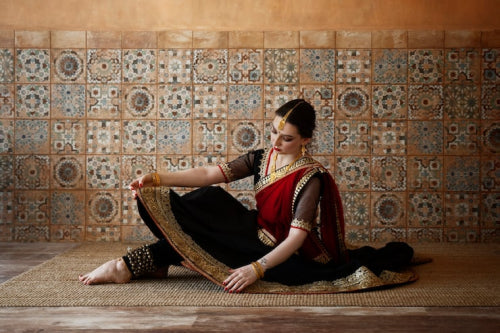
In an era where conscious consumerism meets cultural revival, traditional weaving techniques are carving out a distinct niche in contemporary fashion. From intricate hand embroidery to ancient dyeing methods, these heritage practices are no longer confined to seasonal wardrobes or ceremonial attire. Instead, they are being reimagined through modern silhouettes, relaxed tailoring, and unexpected combinations with everyday pieces. This shift reflects a deeper appreciation for the skill, story, and sustainability embedded in every weave.
Indian artisans have long mastered the art of transforming raw materials into garments that tell a unique tale. Today, designers are drawing on these centuries-old methods to create collections that bridge the gap between past and present. The result is fashion that feels both rooted and forward-looking, appealing to those who value authenticity in a world of fast fashion.
The latest fashion industry analyses highlight how Indian designers are increasingly gaining international attention by combining traditional craft knowledge with contemporary design approaches, creating a new understanding of how heritage textiles can participate in global fashion markets. Designers are drawing inspiration from regional techniques such as hand embroidery, weaving, dyeing, and artisanal surface treatments while developing collections that appeal to modern consumers around the world. This trend demonstrates that traditional craftsmanship is not limited to historical or cultural contexts; it can become a foundation for innovative fashion businesses when paired with strong design thinking and market awareness. The growing interest in artisan-made clothing is also connected to changing consumer expectations around sustainability, authenticity, and responsible production. Handcrafted garments often represent slower production cycles, skilled human involvement, and distinctive characteristics that differentiate them from mass-market alternatives.
Fast fashion erodes cultural heritage, sidelining artisans and reducing traditions to trends. At IndieHaat, we champion India's craftspeople with handcrafted sarees, apparel, décor, and skincare rooted in authenticity. Each piece embodies skill and ethical care. Support artisans and preserve India's timeless legacy Shop Now!
Reviving Handloom Fabrics for Everyday Wear
Handloom fabrics, once reserved for special occasions, are now finding new life in practical, contemporary wardrobes. Richly textured materials that historically carried a ceremonial weight are being reshaped into versatile jackets, separates, dresses, and skirts. Designers are experimenting with innovative silhouettes that allow these textiles to move seamlessly from day to evening.
This evolution is closely tied to growing interest in craftsmanship and sustainability. Each woven piece carries the mark of skilled artisans and regional influences that industrial production simply cannot replicate. By adapting these fabrics into relaxed, wearable styles, creators are proving that traditional techniques can thrive beyond preservation efforts.
- Layered separates that mix handloom with cotton for balanced comfort and texture
- Relaxed silhouettes that embrace the natural drape of woven materials
- Accessible price points that make artisan quality approachable for modern consumers
Indian Handloom Weaving Trends Shaping Modern Style
Contemporary fashion trends in India are celebrating the resurgence of Indian handloom weaving trends. Designers are blending traditional techniques with modern design thinking to produce collections that stand out without losing cultural depth. The handloom fashion movement is gaining momentum as more brands recognize the value of supporting artisans while delivering products that resonate with today's consumers.
This integration goes beyond surface-level aesthetics. It involves thoughtful storytelling, slow production cycles, and a commitment to ethical sourcing. The result is clothing that feels personal and purposeful rather than disposable.
Heritage Weaving Techniques in Contemporary Wardrobes
Heritage weaving techniques are finding fresh applications across various categories. From fusion outfits that fuse Indian motifs with global silhouettes to standalone garments that highlight regional craft mastery, the possibilities are expanding rapidly.
Consumers are increasingly drawn to pieces that carry a meaningful origin story. A handwoven garment offers more than fabric; it offers connection to the weaver's community and the land that nurtured it. This emotional connection is becoming a key differentiator in the marketplace.
The Handloom Fashion Movement: a Growing Phenomenon
The handloom fashion movement is transforming how we think about textile consumption. It is shifting focus from quantity to quality, from trend cycles to timeless craftsmanship. This movement is not just about preserving old skills; it is about evolving them for new generations and new markets.
Artisans are being recognized not as traditionalists but as innovators who bring fresh perspectives to their craft. Their work is finding space in high-end collections as well as everyday essentials, proving that heritage can coexist with innovation.
Sustainable Indian Fashion Through Artisan Weaving
Sustainable Indian fashion is taking a practical form through artisan weaving traditions. These practices emphasize minimal waste, ethical labor, and materials that have been passed down through generations. Unlike mass-produced alternatives, handcrafted garments often require fewer chemical processes and shorter supply chains.
The environmental impact of traditional methods is being re-evaluated in light of modern needs. Weavers are adopting efficient techniques that reduce water usage and energy consumption while maintaining the integrity of their designs. This balance is proving especially appealing to conscious consumers worldwide.
Modern Uses of Traditional Textiles in Daily Life
Modern uses of traditional textiles are extending well beyond clothing into home décor and accessories. Cushions, throws, and small-scale woven items are finding popularity in homes that seek warmth and character. These pieces bring the same artisanal charm found in apparel into living spaces.
Accessories such as belts, bags, and jewelry are also benefiting from these techniques. Each item carries the signature of skilled hands and unique regional patterns, making them both functional and collectible.
Challenges and Opportunities for Artisan Weavers
While the opportunity is clear, artisan weavers face challenges in scaling production and reaching global markets. Access to capital, modern technology, and international distribution networks can be limiting factors. Yet these constraints also create space for creative solutions.
Collaborations between designers and artisans are opening new pathways. Joint projects allow weavers to experiment with contemporary forms while maintaining core techniques. The result is innovation that honors tradition rather than replacing it.
Support systems that provide training in business management and digital marketing are helping artisans navigate the complexities of modern commerce. These efforts are ensuring that the knowledge and skills of weaving communities are protected and sustained.
Why These Techniques Matter for the Future
The continued evolution of craft-based fashion shows how traditional weaving techniques can remain economically valuable and culturally relevant while adapting to the preferences of a new generation of fashion consumers. The appeal lies in the combination of authenticity and practicality that only true craftsmanship can deliver.
As consumers seek more meaningful experiences in their wardrobes, these techniques offer a clear path forward. They support communities, reduce environmental strain, and create garments that become part of personal histories rather than temporary trends.
For those exploring sustainable Indian fashion, the message is encouraging. The market is rewarding those who understand the value of heritage while remaining open to fresh ideas. The future belongs to brands and consumers who see traditional textiles not as relics of the past but as foundations for innovative, responsible fashion today.
Frequently Asked Questions
How are traditional weaving techniques being used in contemporary fashion trends?
Traditional weaving techniques are being incorporated into contemporary fashion through modern designs, sustainable materials, and innovative styling. Designers are blending heritage craftsmanship with current fashion trends to create unique garments that preserve cultural artistry while appealing to modern consumers.
Why are handwoven textiles becoming popular in modern fashion design?
Handwoven textiles are gaining popularity in modern fashion because they offer authenticity, craftsmanship, and a connection to cultural traditions. Many fashion brands are using these textiles to support sustainable fashion practices and highlight the value of artisanal skills.
What role do traditional weaving methods play in sustainable fashion?
Traditional weaving methods support sustainable fashion by often using eco-friendly materials and time-honored production techniques. They help reduce reliance on mass production while promoting ethical craftsmanship and preserving valuable weaving traditions for future generations.
Disclaimer: The above helpful resources content contains personal opinions and experiences. The information provided is for general knowledge and does not constitute professional advice.
You may also be interested in: Fusion of Traditional Weaves With Modern Fashion Designs
Fast fashion erodes cultural heritage, sidelining artisans and reducing traditions to trends. At IndieHaat, we champion India's craftspeople with handcrafted sarees, apparel, décor, and skincare rooted in authenticity. Each piece embodies skill and ethical care. Support artisans and preserve India's timeless legacy Shop Now!
Powered by flareAI.co