
Preserving Artisan Communities Through Regional Textile Clusters
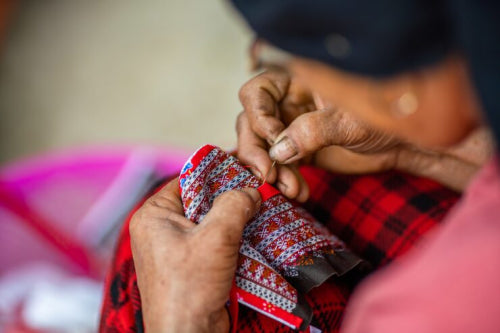
In the bustling lanes of Bangalore, where modern commerce meets ancient craftsmanship, IndieHaat stands as a quiet yet powerful force preserving India's rich handloom heritage. As conscious consumers seek more than mere clothing, they crave stories woven into every thread. Regional textile clusters are emerging as vital lifelines for artisan communities across the country. Preserving Artisan Communities Through Regional Textile Clusters is not just a passing trend it is a meaningful movement connecting weavers in remote villages to discerning buyers in India, the US, Singapore, Australia, the UK, and the UAE.
Fast fashion erodes cultural heritage, sidelining artisans and reducing traditions to trends. At IndieHaat, we champion India's craftspeople with handcrafted sarees, apparel, décor, and skincare rooted in authenticity. Each piece embodies skill and ethical care. Support artisans and preserve India's timeless legacy Shop Now!
The Enduring Appeal of India's Textile Heritage
Across India, generations of families have passed down the intricate art of weaving sarees, dress materials, Tussar sarees, and linen sarees. These creations are far more than garments they embody regional identity, masterful skill, and a deep commitment to sustainability. While mass-produced apparel has challenged these traditions, a renewed appreciation for authentic, handcrafted pieces is steadily reversing the tide.
Consumers in India and abroad are increasingly drawn to the breathable comfort of pure linen, the natural sheen and texture of Tussar silk, and the timeless elegance of handwoven cotton. Platforms like IndieHaat play a pivotal role by curating directly from artisans, ensuring every piece carries an honest narrative of its origin, craftsmanship, and cultural significance.
Regional Textile Clusters: Hubs of Living Tradition
India's true strength in textiles lies in its specialised regional clusters, where communities have honed particular techniques over centuries. In eastern regions such as West Bengal, Jharkhand, Chhattisgarh, and Odisha, Tussar silk production continues to thrive. Artisans carefully transform wild silk cocoons gathered from forest trees into luxurious yet earthy fabrics prized for their unique texture and graceful drape.
These clusters do more than produce fabric they build community resilience. Weavers collaborate closely, share generational knowledge, and innovate thoughtfully while remaining rooted in tradition. Many now blend Tussar with cotton to create lighter contemporary wear or develop intricate motifs inspired by local folklore and festivals.
Linen clusters have similarly gained fresh momentum, focusing on sustainable, breathable fabrics perfectly suited to India's diverse climates and growing demand in warmer international markets. Artisans adapt traditional handloom skills to craft elegant linen sarees and dress materials that appeal to modern consumers who value durability, comfort, and authenticity.
Bridging Artisans and Global Markets
IndieHaat exemplifies how curated e-commerce can truly empower artisan communities. With its strong commitment to handmade items directly sourced from artisans, the brand ensures every product meets high standards of quality, cultural authenticity, and ethical production. Its focus on pure linen, silk, and cotton resonates powerfully with buyers seeking alternatives to synthetic, mass-produced fabrics.
Digital platforms are transforming opportunities for artisans. Through Amazon Marketplace and the ONDC Marketplace, even small producers can reach customers far beyond local village haats. The ONDC initiative, in particular, has opened new doors by enabling seamless, inclusive digital commerce across India's vast and diverse regions.
For audiences in Singapore, Australia, the UK, the US, and the UAE, these platforms provide a genuine window into India's cultural richness. A Tussar saree or linen dress material purchased online carries the same pride and connection as one acquired in a traditional market supported by transparency and direct links to the artisans.
Overcoming Common Barriers to Handcrafted Purchases
Prospective buyers often hesitate due to concerns around high pricing, trust, and the inability to physically touch and feel products before purchase. These objections are understandable, yet they often stem from a limited understanding of true value in handcrafted goods.
- High pricing reflects the many hours of skilled labour, sustainable practices, and unique designs that cannot be replicated at industrial scale.
- Trust deficit is addressed through detailed artisan stories, rigorous curation, high-quality imagery, and transparent sourcing information.
- The sensory gap is bridged with comprehensive size guides, fabric descriptions, and genuine customer feedback.
Many customers who initially purchase for special occasions return for everyday wear, discovering the superior comfort and lasting character of authentic linen and Tussar garments.
Real Impact on Artisan Lives and Communities
Behind every thriving textile cluster are families sustaining their livelihoods and cultural legacy through their craft. In Chhattisgarh's Tussar hubs, weavers who once faced inconsistent demand now enjoy steadier opportunities by connecting directly with national and global buyers via thoughtful platforms.
Similar success stories emerge from linen-weaving communities that adapt traditional techniques to contemporary tastes without compromising heritage. This approach creates consistent income, encourages the transmission of skills to younger generations, and supports wider community development in areas such as education and healthcare. By choosing handcrafted sarees and dress materials, consumers become active participants in preserving these living traditions.
Sustainable Fashion Rooted in Indian Wisdom
Handloom production naturally aligns with environmental consciousness. It consumes fewer resources than large-scale industrial methods, relies on natural fibres like linen, silk, and cotton, and minimises waste through mindful, skilled craftsmanship. IndieHaat's dedication to only authentic fabrics underscores this commitment to sustainability.
Buyers in eco-conscious markets abroad, as well as growing numbers within India, actively seek such options. Regional clusters enable localised supply chains with lower environmental impact compared to mass manufacturing and long-distance transport of synthetic materials.
The India Handicrafts Market and Its Promise
The India handicrafts market has shown remarkable vitality, driven by rising disposable incomes, growing appreciation for ethnic and handmade products, the expansion of e-commerce platforms, government support through export schemes, increasing tourism, and a worldwide shift toward sustainable goods. Online stores have become especially important distribution channels, helping connect regional artisans with broader audiences.
Looking Ahead: The Future of Artisan Empowerment
The synergy between traditional textile clusters, curated platforms like IndieHaat, and accessible marketplaces points to a promising future. Government initiatives, improved digital infrastructure, and rising consumer awareness are creating fertile conditions for scaling positive impact while safeguarding cultural authenticity.
Challenges persist from maintaining consistent quality at larger volumes to ensuring fair compensation and educating new audiences but the foundation remains strong. Supporting regional textile clusters means investing in cultural preservation, economic resilience for artisan families, and a genuinely sustainable approach to fashion.
Why Your Next Purchase Matters
Selecting a handcrafted Tussar saree, linen dress material, or pure cotton piece from IndieHaat goes far beyond personal style. It becomes a meaningful act of cultural stewardship that directly supports artisan families across India's vibrant regional clusters.
In an era of fast-changing trends, these textiles offer something enduring: a connection to heritage, exceptional quality, and the deep satisfaction of knowing your choices contribute to something larger. Whether you are in Bengaluru, Mumbai, New York, Singapore, or Dubai, the threads of craftsmanship create bonds that transcend borders.
The revival of India's regional textile clusters is ultimately about ensuring the hands that weave our shared stories continue to thrive for generations to come. Explore the collection today and become part of this living, breathing tradition.
Frequently Asked Questions
What are regional textile clusters, and why are they important for Indian artisans?
Regional textile clusters are geographically concentrated communities where artisans have refined specific weaving techniques over generations such as Tussar silk production in West Bengal, Jharkhand, Chhattisgarh, and Odisha. They serve as hubs of living tradition, enabling weavers to collaborate, share knowledge, and innovate while staying rooted in heritage. Beyond fabric production, these clusters build economic resilience, support intergenerational skill transfer, and contribute to community development in areas like education and healthcare.
How can I buy authentic handloom sarees and dress materials online from Indian artisans?
Platforms like IndieHaat curate handcrafted sarees, Tussar silk, linen, and cotton dress materials sourced directly from artisan communities across India. Products are also available through Amazon Marketplace and the ONDC Marketplace, making them accessible to buyers in India, the US, UK, Singapore, Australia, and the UAE. Each purchase comes with transparent sourcing information, artisan stories, and quality assurance bridging the trust gap common in online handloom shopping.
Is buying handcrafted linen and Tussar silk a sustainable fashion choice?
Yes handloom production is inherently eco-friendly, consuming fewer resources than industrial manufacturing and relying on natural fibres like linen, silk, and cotton with minimal waste. Regional textile clusters also support localised supply chains, significantly reducing the environmental footprint compared to mass-produced synthetic apparel. For conscious consumers globally, choosing handcrafted Indian textiles means aligning personal style with both cultural preservation and environmental responsibility.
Disclaimer: The above helpful resources content contains personal opinions and experiences. The information provided is for general knowledge and does not constitute professional advice.
You may also be interested in: Revival of Regional Handloom Traditions Captures International Attention
Fast fashion erodes cultural heritage, sidelining artisans and reducing traditions to trends. At IndieHaat, we champion India's craftspeople with handcrafted sarees, apparel, décor, and skincare rooted in authenticity. Each piece embodies skill and ethical care. Support artisans and preserve India's timeless legacy Shop Now!
Powered by flareAI.co