Tips to Get the Best Value on Handcrafted Products

The global handicrafts market continues its impressive expansion, reflecting a profound consumer shift toward authentic, human-made goods over mass-produced uniformity. Recent analyses show varying yet consistently robust figures: one authoritative source pegs the market at USD 906.8 billion in 2024, with expectations of reaching USD 1,942.4 billion by 2033 at a CAGR of 8.83% from 2025 to 2033, driven by demand for unique handmade items, e-commerce growth, sustainability focus, supportive policies, and cultural events. Another report values it higher at USD 1,107.67 billion in 2024, projecting USD 1,218.77 billion in 2025 and USD 2,397.15 billion by 2032 with a 10.15% CAGR, highlighting Asia Pacific's dominant 36.36% share in 2024 and strong U.S. growth toward USD 627.86 billion by 2032. A third estimates USD 739.95 billion in 2024, forecasting USD 983.12 billion by 2030 at a 4.9% CAGR, with Asia Pacific commanding 34.81% revenue share and the U.S. poised for the fastest regional growth at 3.7%. These converging trends underscore surging interest in culturally rich, eco-conscious products particularly evident in India's enduring traditions of handloom textiles, block printing, and artisanal craftsmanship now reaching global audiences through thoughtful online curation.
For discerning buyers interested in handcrafted apparel, accessories, or home décor especially those crafted exclusively from pure linen, silk, and cotton true value emerges not from the lowest price but from durability, ethical integrity, and lasting significance. Here are authoritative strategies to secure the greatest return on these meaningful investments.
Fast fashion erodes cultural heritage, sidelining artisans and reducing traditions to trends. At IndieHaat, we champion India's craftspeople with handcrafted sarees, apparel, décor, and skincare rooted in authenticity. Each piece embodies skill and ethical care. Support artisans and preserve India's timeless legacy Shop Now!
Why Handcrafted Pieces Command a Premium and Deliver Superior Returns
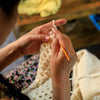
Handmade apparel and décor stand apart from fast-fashion alternatives because their creation demands time, skill, and respect for tradition. Artisans invest days or weeks in each item, using age-old methods: weaving on manual looms where every pass of the shuttle shapes the cloth, applying natural dyes derived from plants and minerals, or executing fine embroidery by hand. Fabrics remain uncompromised crisp linen that grows softer with wear, breathable cotton grown organically, tussar silk prized for its natural texture and luster.
This deliberate process guarantees fair, direct compensation to craftspeople, often in rural Indian communities where such work preserves livelihoods. Environmentally, it stands in stark contrast to industrial scale: limited runs minimize surplus, natural fibers decompose without persistent pollution, and low-water techniques reduce resource strain compared to synthetic-heavy production. The outcome is exceptional longevity a well-crafted linen kurta or silk saree endures years of use while maintaining beauty, offering far better cost-per-wear than disposable garments.
Those who recognize this dynamic view each acquisition as a thoughtful commitment rather than mere consumption. The garment becomes a carrier of heritage, sustaining skills that face erosion in a mechanized world.
Identifying Authentic Handcraftsmanship Online
Without physical inspection, verification relies on careful evaluation of available evidence. Reputable listings provide precise details: fabric composition (100% linen, mulberry silk, or handspun cotton), geographic origin, and artisan collective involved. Certifications carry weight India's Handloom Mark confirms manual loom production, while the Silk Mark authenticates pure silk.
Examine imagery closely: authentic handmade pieces show subtle hallmarks minor variations in thread tension, soft color gradients from natural dyes, or gentle irregularities impossible to replicate mechanically. Steer clear of perfectly identical, overly sharpened photos that suggest factory replication. Ethical platforms enhance trust by sharing artisan profiles, workshop photos, short creation videos, or community context.
Buyer feedback proves invaluable, especially from international customers in primary regions such as the US, UK, Australia, Singapore, and UAE, where repeat purchases often praise fabric resilience and true-to-photo appearance. Additional safeguards include requests for fabric samples, extended return policies, or traceability features like QR codes that map the item's path from artisan to delivery. These elements collectively reduce uncertainty in remote purchasing.
Strategic Approaches to Optimize Spending
Smart timing amplifies value: align buys with seasonal promotions, festival collections, or artisan-led limited releases, where curated brands present authentic pieces at accessible entry points without diluting quality. New-customer offers or bundled selections pairing a handwoven dupatta with a coordinating kurta yield more impact per expenditure.
Emphasize versatility: neutral-toned linen sarees or cotton tunics adapt across seasons, events, and wardrobes, maximizing utility compared to fleeting trends. Quality trumps volume one meticulously crafted handloom piece frequently outlasts multiple lower-grade substitutes, reducing long-term replacement costs.
Models that source directly from artisans eliminate intermediary markups, ensuring fairer pricing that benefits makers and buyers alike. While broader marketplaces such as Amazon and ONDC feature handcrafted listings, specialized platforms distinguish themselves through stringent curation vetting every item for genuine cultural roots and ethical production, excluding mass imitations.
The Deeper Advantages: Environmental Stewardship and Heritage Continuity
Opting for handcrafted over fast fashion yields tangible planetary benefits. Natural, plant-sourced dyes curb chemical discharge into waterways, small-batch methods drastically cut textile waste, and biodegradable fibers like cotton and silk avoid microplastic accumulation. These choices directly challenge the fashion sector's outsized ecological burden.
In India, where handicrafts support millions of families, intentional purchases reinforce economic stability and cultural continuity. Global enthusiasm for sustainable, distinctive goods accelerates this momentum, with Asia Pacific consistently leading market share and expansion.
The Enduring Value of Deliberate Selection
Ultimately, the richest value in handcrafted products transcends immediate savings it resides in enduring quality, embedded narratives, and meaningful support for creators. Selecting an item produced with integrity means engaging with a continuum of artistry that spans generations and, through continued appreciation, extends into the future. Amid abundant choices, such purposeful connection remains irreplaceable. Discover collections that embody this ethos IndieHaat provides a refined gateway to India's handcrafted legacy, delivering sarees, accessories, and décor imbued with genuine artisanal depth.
Frequently Asked Questions
How can I verify the authenticity of handcrafted products when shopping online?
Look for precise details about fabric composition (100% linen, mulberry silk, or handspun cotton), geographic origin, and the artisan collective involved. Authentic handmade pieces show subtle hallmarks like minor variations in thread tension, soft color gradients from natural dyes, and gentle irregularities that can't be replicated mechanically. Certifications such as India's Handloom Mark and Silk Mark provide additional verification, while reputable platforms often share artisan profiles, workshop photos, and buyer reviews from international customers.
Why do handcrafted products cost more than mass-produced items, and are they worth the investment?
Handcrafted items command a premium because artisans invest days or weeks using traditional methods like manual loom weaving, natural plant-based dyeing, and fine hand embroidery with uncompromised natural fibers. This deliberate process results in exceptional longevity a well-crafted linen kurta or silk saree endures years of use while maintaining beauty, offering far better cost-per-wear than disposable garments. The investment also supports fair compensation for craftspeople in rural communities and minimizes environmental impact through limited production runs and biodegradable materials.
What are the best strategies to save money on authentic handcrafted products without compromising quality?
Align purchases with seasonal promotions, festival collections, or artisan-led limited releases to access quality pieces at better price points. Choose versatile, neutral-toned items like linen sarees or cotton tunics that adapt across seasons and events, maximizing utility over fleeting trends. Prioritize platforms that source directly from artisans to eliminate intermediary markups, and consider bundled selections or new-customer offers that provide more value per expenditure while maintaining authentic craftsmanship.
Disclaimer: The above helpful resources content contains personal opinions and experiences. The information provided is for general knowledge and does not constitute professional advice.
You may also be interested in: The Ultimate Guide to Choosing the Perfect Dupatta for Every
Fast fashion erodes cultural heritage, sidelining artisans and reducing traditions to trends. At IndieHaat, we champion India's craftspeople with handcrafted sarees, apparel, décor, and skincare rooted in authenticity. Each piece embodies skill and ethical care. Support artisans and preserve India's timeless legacy Shop Now!
Powered by flareAI.co