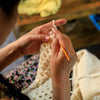
How to Ensure You're Buying Ethically Sourced Apparel
Churning out disposable trends that ravage the environment and exploit labor forces, a profound shift is taking root. Consumers are increasingly scrutinizing the origins of their clothing, craving garments that embody artistry and integrity rather than mere convenience. Picture enveloping yourself in a saree that transcends mere textile it's a narrative of ancestral expertise, crafted by artisans who earn rightful wages for their dedication. This essence captures ethical sourcing: a commitment extending beyond attire to moral accountability.
The momentum behind responsible clothing is undeniable, with the global sustainable fashion market valued at USD 10.40 billion in 2024, poised to expand from USD 11.35 billion in 2025 to USD 22.49 billion by 2032 at a 10.25% CAGR. This surge stems from heightened awareness of fast fashion's harms, spurring demand for eco-conscious alternatives like plant-based leathers. Parallelly, the ethical fashion arena reached $9.38 billion in 2025, forecasted to climb to $14.03 billion by 2030 with an 8.4% CAGR, emphasizing minimized harm to people and planet through transparent supply chains. The industry's environmental toll is stark, including vast greenhouse gas emissions, water consumption, and plastic pollution, with polyester comprising over half of textile fibers. Amid these concerns, another analysis values the sustainable fashion sector at USD 9,194.20 million in 2025, projecting growth to USD 17,769.2 million by 2032 at 9.9% CAGR, driven by apparel's 47.4% dominance and organic fabric's lead due to health-focused shifts. Navigating this evolving terrain demands savvy mastering ethically sourced apparel ensures your choices align with authenticity, particularly for heritage pieces like handwoven sarees.
Fast fashion erodes cultural heritage, sidelining artisans and reducing traditions to trends. At IndieHaat, we champion India's craftspeople with handcrafted sarees, apparel, décor, and skincare rooted in authenticity. Each piece embodies skill and ethical care. Support artisans and preserve India's timeless legacy Shop Now!
Why Ethical Apparel Commands a Premium
Price often emerges as the primary hurdle in ethical fashion discussions. What justifies the elevated cost of a handwoven tussar saree compared to its machine-produced equivalent? The answer lies in the intricate human involvement. Skilled weavers invest extensive time days or even weeks employing traditional methods inherited across generations. These creations shun mass production, emerging from premium natural yarns such as tussar silk, pure linen, or organic cotton, yielding limited editions where each item boasts distinct characteristics.
This pricing structure also incorporates equitable trade principles. Authentic platforms eliminate intermediaries, directing earnings straight to rural Indian artisans, fostering economic stability and cultural preservation in areas vulnerable to industrialization. Consider IndieHaat, a Bangalore-curated e-commerce entity: it collaborates directly with craftspeople to present meticulously chosen handmade garments, accessories, home goods, and skincare, all vetted for quality, cultural fidelity, and ethical production. In a landscape where apparel holds the prominent 47.4% share in sustainable categories for 2026, such approaches validate the investment it's a stake in communal welfare and ecological harmony.
Common reservations, like steep costs, stem from habits formed around cheap, fleeting items. Yet, ethical pieces offer superior durability, outlasting quick-fading alternatives and curbing long-term waste. In key regions such as the US, UK, and Australia, where sustainability resonates strongly, buyers prioritize lasting value. Europe's commanding position in sustainable fashion, at USD 3.54 billion in 2026, highlights regulatory and conscious-driven progress, while Asia Pacific's rapid 11.15% CAGR blends heritage with innovation. Framing it differently: selecting ethically sourced dress materials means financing empowerment, especially for female artisans in India's countryside, granting them autonomy amid traditional constraints.
IndieHaat distinguishes itself through direct artisan sourcing, exclusive patterns, and unadulterated fabrics solely linen, silk, and cotton eschewing synthetics for purity. This commitment addresses pricing skepticism by underscoring inherent worth: no mass replication, just bespoke elegance that endures. As global consciousness evolves, these premiums reflect not extravagance, but a deliberate choice for superior craftsmanship over commodified uniformity.
Building Trust Through Authenticity Verification Online
Online purchasing amplifies doubts, particularly the inability to physically inspect items a frequent objection eroding confidence. How can one confirm a linen saree's genuineness without tactile assurance? Prioritize sellers offering exhaustive details: full disclosure on 100% natural constituents, free of artificial mixes. Seek validated seals like India's Handloom Mark, affirming manual creation and origin.
Delve into visuals: crisp, detailed images expose handcrafting's hallmarks minor weave variances or dye nuances that machinery cannot duplicate. These traits signify mastery, not imperfections. Bolster this with buyer testimonials from diverse locales, such as the UAE or Singapore, sharing wear experiences that affirm excellence. IndieHaat enhances credibility by profiling specific weavers and their locales, weaving narratives that humanize purchases. Accessible via Amazon and ONDC marketplaces, it caters to international clientele in India, the US, and beyond.
The trust gap narrows with vigilant research. Validate green assertions through evidence of botanical dyes minimizing pollution. In an era where online channels command the largest market portion in 2026, thanks to superior discovery and specialized selections, leverage social platforms Instagram, Facebook, YouTube for process insights. Observe live demonstrations of weaving; it's a proxy for hands-on evaluation. While competitor's Instagram profiles provide benchmarks, favor those stressing unmediated artisan ties to sidestep counterfeits.
Practical strategies include soliciting fabric samples or utilizing lenient returns. For IndieHaat's tussar sarees, the focus on singular aesthetics and pristine materials reassures skeptics. Advanced features like QR codes enable traceability, mapping a garment's path from workshop to delivery. This mitigates sensory limitations, transforming virtual shopping into a reliable, enlightened pursuit. By embracing these methods, consumers cultivate assurance, ensuring investments honor true ethical standards.
The Profound Benefits of Sustainable and Ethical Choices
Ethical sourcing transcends wage fairness; it champions environmental stewardship. Handlooms favor natural, vegetal colorants that curb chemical runoff, with minimal production scales slashing excess. This counters fast fashion's profligacy, where synthetics like polyester exacerbate degradation. Organic options, holding the foremost fabric share in 2026 amid wellness trends, underscore this pivot toward benign materials.
Direct models empower villages, safeguarding India's weaving legacies against erosion. IndieHaat exemplifies this ethos: its selective array of handcrafted sarees sustains traditions while advancing green methodologies. Regionally, Asia-Pacific led as the largest ethical fashion area in 2026, with Western Europe accelerating fastest, signaling widespread embrace.
Innovations in recycled elements, capturing 53.25% in 2025, and vegetal alternatives propel expansion. Men's segment led end-users in 2026, yet women's 49.57% portion advances via minimalist preferences. These selections diminish sectoral burdens emissions, hydration demands, and waste. Opting for genuine weaves aligns with a ethos prizing excellence over excess, fostering planetary health.
Integrate ethically: blend new acquisitions with current closets. An IndieHaat tussar saree serves as a multifaceted highlight, adaptable for varied events. As premium sustainable lines ascend, entities emphasizing just trade and green resources redefine norms, including negative carbon footprint apparel via pioneering alliances. The fashion realm's significant environmental impact, from gases to plastics, necessitates this transition, where informed buys mitigate harms and amplify positives.
Committing to Ethics for Lasting Impact
each acquisition casts a ballot for the future. Embracing ethically sourced garments vibrant, artisan-forged sarees ignites transformation. It counters elevated prices with enduring merit, forges trust via openness, and upholds sustainability. As sectors flourish and consciousness permeates India, the US, Singapore, Australia, the UK, and UAE, action beckons. Let principles steer your selections; your attire and the globe will reap the rewards.
Frequently Asked Questions
Why is ethically sourced clothing more expensive than fast fashion?
Ethical apparel commands a premium because it involves skilled artisans who spend days or weeks handcrafting each piece using traditional methods passed down through generations. The pricing reflects fair wages paid directly to craftspeople, premium natural materials like organic cotton and tussar silk, and the absence of mass production. Unlike cheap fast fashion items, ethically sourced garments offer superior durability and longevity, making them a better long-term investment that supports both artisan communities and environmental sustainability.
How can I verify that clothing is genuinely ethically sourced when shopping online?
Look for detailed product descriptions that specify 100% natural materials and verified certifications like India's Handloom Mark, which confirms manual creation. Examine high-resolution images for handcrafting hallmarks such as minor weave variations or natural dye nuances that machines cannot replicate. Check for transparent information about the artisans and their locations, read customer reviews from various regions, and look for sellers who offer fabric samples or flexible return policies. Advanced features like QR codes can also help trace a garment's journey from workshop to delivery.
What environmental benefits come from choosing ethically sourced apparel over fast fashion?
Ethically sourced clothing significantly reduces environmental harm by using natural, plant-based dyes that minimize chemical runoff and employing minimal production scales that slash waste. Unlike fast fashion's reliance on polyester and synthetic materials that contribute to plastic pollution, ethical fashion prioritizes organic fabrics and handloom methods that require less water and produce fewer greenhouse gas emissions. By choosing authentic handwoven pieces, you're supporting sustainable practices that counter the fashion industry's environmental toll while preserving traditional craftsmanship and promoting planetary health.
Disclaimer: The above helpful resources content contains personal opinions and experiences. The information provided is for general knowledge and does not constitute professional advice.
You may also be interested in: Ethnic Wear Options for Women in India – Indiehaat.com
Fast fashion erodes cultural heritage, sidelining artisans and reducing traditions to trends. At IndieHaat, we champion India's craftspeople with handcrafted sarees, apparel, décor, and skincare rooted in authenticity. Each piece embodies skill and ethical care. Support artisans and preserve India's timeless legacy Shop Now!
Powered by flareAI.co