
Why Authentic Craftsmanship Matters More Than Ever
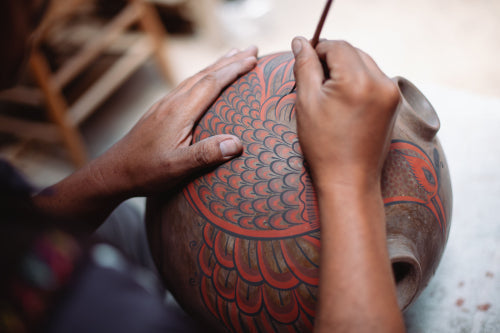
Authentic craftsmanship represents more than the creation of a handmade object. It reflects the knowledge, patience, and cultural understanding behind every piece made by skilled artisans. As consumers become more thoughtful about what they purchase, handmade products are increasingly valued for their individuality, responsible production methods, and connection to human creativity. The importance of handmade products lies not only in their appearance but also in the stories, skills, and traditions preserved through the making process.
Fast fashion erodes cultural heritage, sidelining artisans and reducing traditions to trends. At IndieHaat, we champion India's craftspeople with handcrafted sarees, apparel, décor, and skincare rooted in authenticity. Each piece embodies skill and ethical care. Support artisans and preserve India's timeless legacy Shop Now!
The Growing Value of Authentic Craftsmanship
Mass production has made everyday products more accessible, but it has also changed how people think about ownership and value. Many products are designed for speed, scale, and convenience, which can make it difficult to understand the effort and expertise involved in their creation.
Authentic craftsmanship offers a different perspective. A handcrafted product carries evidence of the maker's decisions, from selecting materials to applying techniques developed through experience. This connection between creator and creation gives handmade goods a sense of purpose that extends beyond basic functionality.
For consumers interested in meaningful purchases, craftsmanship provides a way to support creativity, preserve traditional knowledge, and choose products that reflect care and attention. The value of artisan-made products comes from this combination of practical use, cultural relevance, and personal connection.
Why Handmade Products Matter in a Mass-produced World
The contrast between handmade vs mass produced products is not simply about production methods. It represents two different approaches to how goods are designed, made, and experienced.
Mass production often focuses on consistency and efficiency, while handmade creation allows artisans to incorporate unique details, regional influences, and personal expertise. Neither approach serves every need, but craftsmanship offers qualities that are difficult to replicate through automated processes.
Handmade goods encourage consumers to consider questions that are often overlooked during everyday purchasing decisions: Who created this product? What skills were involved? What materials were chosen? How does buying this item affect the people and traditions connected to it?
These questions are becoming increasingly important as shoppers look beyond appearance and price. They want greater understanding of the origin and meaning behind the products they bring into their lives.
Craftsmanship as a Link Between Heritage and Modern Design
Traditional Indian crafts and artisans represent generations of knowledge passed through families, communities, and learning systems. Techniques involving textiles, embroidery, weaving, decorative arts, and natural materials often contain cultural histories that cannot be separated from the communities that developed them.
Preserving traditional craftsmanship does not mean keeping craft practices unchanged. Many artisans continue to adapt their skills by combining heritage techniques with contemporary designs, allowing traditional methods to remain relevant for modern audiences.
Programs that support craft education and entrepreneurship show how traditional skills can continue to evolve. According to artisan training programs, connecting traditional knowledge with design and business skills can help ensure that craft practices remain active and sustainable.
This balance between preservation and innovation is essential. When craftsmanship is treated as a living practice rather than a historical artifact, artisans gain opportunities to continue creating while younger generations can see craft as a meaningful professional path.
The Role of Ethical and Sustainable Craftsmanship
Ethical and sustainable craftsmanship is increasingly connected to how people evaluate the products they purchase. Consumers are paying closer attention to durability, production processes, and the human effort involved in making goods.
Handcrafted products often encourage a more thoughtful approach to consumption. Instead of focusing only on replacing items frequently, buyers may appreciate products designed with care, skill, and long-term value in mind.
Craftsmanship can also support communities by creating opportunities for skilled makers. When artisans are recognized for their expertise, their work becomes more than a decorative tradition; it becomes a source of creativity, income, and cultural continuity.
Research on craftsmanship and community development highlights how traditional making practices can contribute to sustainable livelihoods by connecting cultural preservation with economic opportunity. The discussion of craftsmanship creating sustainable livelihoods reflects the broader role that skilled makers can play in maintaining valuable knowledge systems.
For consumers, choosing handmade products can represent a more conscious relationship with the objects they own. It creates an opportunity to support practices built around skill, responsibility, and respect for materials.
How Consumers Can Recognize Authentic Artisan Work
As interest in handmade products grows, understanding what defines authentic craftsmanship becomes increasingly important. A handmade label alone does not always explain the quality, process, or story behind a product.
Look Beyond the Finished Product
Authentic craftsmanship involves understanding the journey behind an item. Details such as material choices, production methods, and the maker's expertise provide insight into the value of a creation.
Consumers can look for transparency about how products are made and whether the brand shares meaningful information about the artisans, techniques, and traditions involved.
Appreciate Skill and Individuality
Small variations in handmade goods are often signs of human involvement rather than imperfections. These differences reflect the creative decisions of artisans and make each piece distinct.
Recognizing this individuality changes the way people view quality. Instead of expecting every item to look identical, consumers can appreciate the character that comes from skilled craftsmanship.
Why Brands and Marketplaces Have a Role in Protecting Craft Traditions
Brands that work with artisan communities have an opportunity to help consumers understand the value behind handmade products. This requires more than presenting products as decorative items; it involves communicating the knowledge, effort, and cultural significance connected to them.
Responsible storytelling can help bridge the gap between artisans and customers. When people understand the process behind a product, they are better able to appreciate why craftsmanship requires time, experience, and specialised skills.
For curated platforms focused on handcrafted apparel, accessories, home décor, and artisan-made goods, authenticity becomes an important part of connecting makers with audiences who value meaningful design. The goal is not simply to offer alternatives to mass-produced products but to create awareness about the people and traditions behind each creation.
Supporting craftsmanship also means supporting the continuation of knowledge. When artisans have opportunities to share their skills and reach new audiences, traditional practices can continue to develop while maintaining their cultural identity.
The Future of Craftsmanship Depends on Appreciation
Authentic craftsmanship remains relevant because it represents qualities that technology and automation cannot fully replace: human judgment, cultural knowledge, creativity, and personal expression.
The future of handmade goods will depend on creating stronger connections between artisans and consumers. Younger generations of makers need opportunities to learn traditional techniques while also exploring new approaches that fit contemporary lifestyles.
Consumers also have an important role. Every purchase decision communicates what kinds of production methods and values deserve attention. Choosing handmade products with awareness can encourage greater respect for artisan communities and the skills they preserve.
Craftsmanship matters because it keeps human creativity at the centre of what we make and use. In a world where many products are designed for speed and scale, authentic handmade creations remind us of the value of patience, expertise, and cultural connection.
Frequently Asked Questions
What is authentic craftsmanship and why does it matter?
Authentic craftsmanship refers to products created through skilled human effort, traditional knowledge, and careful attention to materials and techniques. It matters because it preserves cultural heritage, supports artisan communities, and gives consumers a deeper connection to the products they choose.
Why are handmade products valuable compared to mass-produced products?
Handmade products offer qualities that are often difficult to replicate through mass production, including individuality, craftsmanship, and a connection to the maker. The value of artisan-made products comes from the skill, creativity, and cultural meaning behind each creation.
How does ethical and sustainable craftsmanship support artisans and traditions?
Ethical and sustainable craftsmanship helps maintain traditional skills by creating opportunities for artisans to continue their work and share their knowledge with future generations. It encourages more conscious consumption by highlighting the importance of responsible production, cultural preservation, and long-term value.
Disclaimer: The above helpful resources content contains personal opinions and experiences. The information provided is for general knowledge and does not constitute professional advice.
You may also be interested in: Why Support for Local Artisans Is Important - Indiehaat.com
Fast fashion erodes cultural heritage, sidelining artisans and reducing traditions to trends. At IndieHaat, we champion India's craftspeople with handcrafted sarees, apparel, décor, and skincare rooted in authenticity. Each piece embodies skill and ethical care. Support artisans and preserve India's timeless legacy Shop Now!
Powered by flareAI.co