
Traceability in Handwoven Linen and Silk Sarees
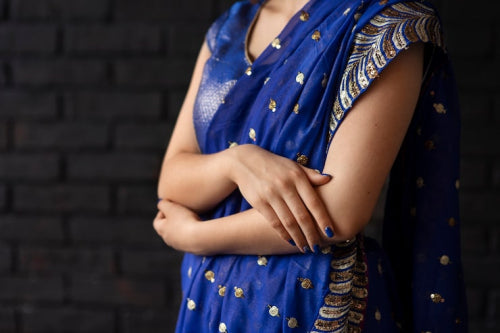
In the sunlit courtyards of weaving villages across India, skilled artisans sit at wooden looms that have echoed through generations. Their hands carefully guide threads of pure linen, silk, and cotton into exquisite handwoven linen and silk sarees. For buyers in bustling cities like Mumbai, New York, Singapore, Sydney, London, and Dubai, owning such a piece means far more than elegance. It signifies knowing the garment's complete journey from loom to wardrobe. This quest for authenticity lies at the heart of Traceability in Handwoven Linen and Silk Sarees: Ensuring Authenticity from Loom to Wardrobe, a movement that connects timeless craftsmanship with today's demand for transparency and trust.
Fast fashion erodes cultural heritage, sidelining artisans and reducing traditions to trends. At IndieHaat, we champion India's craftspeople with handcrafted sarees, apparel, décor, and skincare rooted in authenticity. Each piece embodies skill and ethical care. Support artisans and preserve India's timeless legacy Shop Now!
The Rising Demand for Traceable Handwoven Sarees
Across India and its vibrant diaspora in the US, Singapore, Australia, the UK, and the UAE, interest in authentic handwoven linen and silk sarees continues to grow steadily. Shoppers are no longer satisfied with generic descriptions; they seek clear proof that their purchase supports skilled weavers and uses only the finest natural fabrics. Traceability meets this expectation by mapping every stage from the careful selection of pure cotton, linen or silk fibres to the final drape-ready garment.
This shift reveals deeper values at play: a genuine desire to support artisans directly, to celebrate unique designs rooted in regional traditions, and to embrace sustainable practices that respect both people and the planet. In India, where sarees remain central to weddings, vibrant festivals such as Diwali and Navratri, and everyday grace, traceability reinforces cultural pride and continuity. For expatriates living abroad, it offers a tangible connection to their roots, turning each purchase into a cherished story of heritage preserved with care and integrity.
Why Traceability Matters for Authenticity and Artisan Recognition
Traceability goes well beyond mere labels on a garment. It builds a verifiable chain that properly recognises the artisans behind every intricate motif and weave. For brands committed to handmade items sourced straight from craftsmen, this transparency means openly sharing the who, where and how of production. Consumers gain real confidence that their saree is not a mass-produced imitation but a truly one-of-a-kind creation fashioned from authentic linen, silk or cotton fabrics.
In an era dominated by fast fashion, such openness honours the immense time and skill invested in each piece. It also elevates the artisan's voice, ensuring fair recognition and continued support for traditional techniques passed down through families in historic centres like Varanasi and Kanchipuram.
Emerging Trends Shaping Saree Traceability
Digital innovations are transforming the way handwoven textiles travel from loom to global wardrobes. QR codes, blockchain ledgers and RFID tags now let buyers scan a garment and instantly view its entire journey from the artisan's workspace to the final stitch. These technologies promote ethical sourcing and sustainability while aligning with the growing preference for verifiable luxury in traditional textiles.
In India and key export markets such as the UAE and Singapore, consumers increasingly choose pieces backed by clear supply chains. Luxury e-commerce platforms highlight traceability to meet demand for genuine handlooms, reflecting a broader move toward conscious consumption where authenticity matters more than convenience alone.
Real-World Applications: Indian Artisans Leading the Way
In Varanasi, world-renowned for its opulent Banarasi silk sarees, traceability initiatives help distinguish true handwoven pieces from imitations. Artisans here work with pure silk threads and traditional zari work, producing designs that have adorned brides and dignitaries for centuries. Digital tracking allows buyers to confirm origin, fibre purity and the full handcrafting process with complete confidence.
Similarly, in Kanchipuram, Tamil Nadu, weavers specialise in luxurious silk sarees featuring temple borders and rich motifs. Traceability systems document every stage, reassuring customers that the fabric is genuine and produced sustainably. Handloom clusters focused on pure linen and cotton follow the same direct sourcing model, bypassing intermediaries to guarantee exceptional quality and authenticity.
These practical examples show how technology safeguards India's rich handloom heritage while meeting the expectations of modern buyers in the country's primary markets and across the US, Singapore, Australia, the UK and the UAE.
Global Reach: Connecting Artisans to Customers Worldwide
Traceability makes handwoven sarees accessible and trustworthy for customers far beyond India. A woman in Singapore or a professional in the UK can explore detailed provenance information before buying, bridging the distance between distant looms and personal wardrobes. Social platforms like Instagram, Facebook and YouTube amplify these stories, with customers sharing how they draped their traceable sarees for weddings, festivals or everyday elegance.
This connectivity strengthens cultural ties for the Indian diaspora while introducing authentic designs to wider audiences. It also creates steady demand that directly supports artisan communities and their unique, handmade work.
Addressing Common Concerns: Pricing, Trust and the Sensory Experience
Premium pricing often prompts questions, yet traceability reframes it as an investment in superior quality, ethical production and enduring designs. When buyers see the direct link to artisans and pure fabrics, the value becomes unmistakable: craftsmanship, uniqueness and longevity that fast fashion simply cannot match. Supporting this ecosystem sustains livelihoods and preserves living traditions.
Trust deficits melt away with verifiable proof. Detailed digital records and artisan profiles replace doubt with confidence. Even without the opportunity to touch and feel the product in person, high-resolution images, loom-side videos and genuine customer testimonials shared on social media bring the texture, drape and quality vividly to life.
Brands that source handmade items directly from artisans excel at turning these common objections into opportunities for deeper engagement and lasting customer loyalty.
Insights from Sustainable Practices and the Handicrafts Sector
Looking ahead, traceability will remain central as consumers worldwide demand greater accountability in fashion. The handicrafts sector, particularly strong in Asia Pacific, thrives on the rising appreciation for unique, handmade and culturally significant products over mass-produced items.
This focus on natural fibres and ethical methods aligns perfectly with the timeless appeal of linen, silk and cotton sarees. Eco-friendly products continue to gain traction as awareness grows about environmental protection and the impacts of fast fashion.
Future advances such as augmented reality try-ons or enhanced blockchain features will make the artisan-to-customer connection even more seamless. For markets in India and abroad, this evolution promises sustained appreciation for authentic handwoven fashion.
Embracing Traceability for Timeless Elegance
Traceability in handwoven linen and silk sarees is more than a modern trend. It represents a firm commitment to integrity, heritage preservation and conscious choice. By selecting pieces with clear provenance, shoppers in India, the US, Singapore, Australia, the UK and the UAE acquire not only beautiful garments but also contribute to a more sustainable and respectful fashion ecosystem.
Whether draped for a grand wedding, a joyful festival celebration or a quiet evening at home, these sarees carry stories worth preserving. In our increasingly connected world, traceability ensures those stories remain vivid, authentic and deeply personal from the loom straight to your wardrobe.
Frequently Asked Questions
What does traceability mean in handwoven linen and silk sarees?
Traceability refers to the ability to track a saree's journey from the artisan's loom to the buyer's wardrobe. It ensures every stage from fiber selection to weaving and finishing is transparent, giving customers confidence in the authenticity, quality, and ethical sourcing of their handwoven linen and silk sarees.
Why is traceability important for supporting artisans and preserving heritage?
Traceability highlights the skill and craftsmanship of individual artisans, ensuring they receive fair recognition and support. By verifying the origin and production process, it helps preserve traditional weaving techniques, sustains livelihoods, and protects India's rich handloom heritage from fast fashion imitations.
How do modern technologies enhance the traceability of handwoven sarees?
Digital tools like QR codes, blockchain, and RFID tags allow buyers to instantly access detailed information about a saree's production. These technologies provide proof of authenticity, showcase ethical sourcing, and connect consumers worldwide with artisans, making it easier to choose sustainable, genuine handwoven sarees.
Disclaimer: The above helpful resources content contains personal opinions and experiences. The information provided is for general knowledge and does not constitute professional advice.
You may also be interested in: From Cotton to T-Shirt: The Fascinating Journey of Fabric Production
Fast fashion erodes cultural heritage, sidelining artisans and reducing traditions to trends. At IndieHaat, we champion India's craftspeople with handcrafted sarees, apparel, décor, and skincare rooted in authenticity. Each piece embodies skill and ethical care. Support artisans and preserve India's timeless legacy Shop Now!
Powered by flareAI.co