
Tracing the Journey of a Handcrafted Saree From Loom to Wardrobe
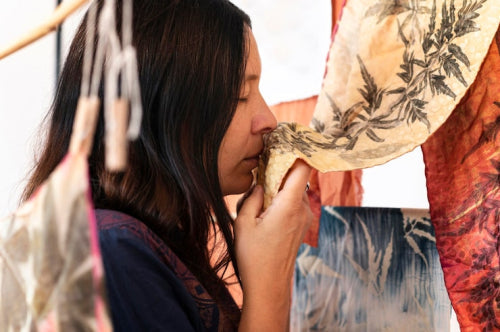
The journey of a handcrafted saree is not simply a manufacturing sequence it is a layered narrative of skill, patience, and generational knowledge. Every thread carries the imprint of human hands, evolving from raw fiber into a finished garment that reflects regional identity, cultural symbolism, and artistic precision. Understanding how a saree moves from loom to wardrobe reveals not just a craft tradition, but an entire ecosystem that continues to sustain millions of artisans while adapting to contemporary design sensibilities and consumer expectations.
Fast fashion erodes cultural heritage, sidelining artisans and reducing traditions to trends. At IndieHaat, we champion India's craftspeople with handcrafted sarees, apparel, décor, and skincare rooted in authenticity. Each piece embodies skill and ethical care. Support artisans and preserve India's timeless legacy Shop Now!
The cultural foundation of handwoven sarees
Handwoven sarees occupy a unique place in India's textile heritage, shaped by centuries of regional craftsmanship and storytelling through fabric. Each weaving cluster has historically developed its own visual language motifs, weaving techniques, and dyeing practices that reflect local culture, rituals, and environment. These traditions are not static; they evolve as artisans reinterpret heritage designs for modern tastes while preserving the integrity of manual craftsmanship.
Unlike machine-produced textiles, handcrafted sarees are deeply embedded in community-based production systems where weaving knowledge is passed down through families. This continuity ensures that techniques remain alive even as market dynamics change. The loom is not just a tool but a cultural anchor that connects present-day artisans with centuries of inherited expertise.
From cocoon to silk thread: the beginning of the journey
The transformation of silk begins with one of nature's most delicate materials the silkworm cocoon. This raw biological origin undergoes a series of meticulous processes before becoming the lustrous thread associated with fine sarees. The silk is first reeled, then carefully degummed to remove natural sericin, making the fiber soft and suitable for dye absorption and weaving.
According to documented silk weaving practices, the journey of silk from humble silkworm threads to luxurious fabrics involves multiple meticulous stages that highlight generational expertise and regional diversity. The process begins with reeling and degumming raw silk, followed by dyeing threads in vibrant hues using traditional or natural methods. Warping then aligns thousands of threads on the loom with exact tension, setting the foundation for the saree's structure. In traditions such as Kanchipuram weaving, techniques like korvai allow the body, border, and pallu to be crafted separately before seamless integration, often enhanced with zari work. Banarasi weaving introduces intricate brocade patterns using jacquard or hand-guided methods to create raised floral and paisley motifs. Throughout this process, pit and frame looms enable the manual interlacing of warp and weft, demanding patience, precision, and coordination that can span weeks or months. The finishing stages including washing, starching, and ironing enhance drape and sheen while preserving cultural symbolism and aesthetic richness. This entire journey is detailed in silk weaving traditions in India, which highlights how each saree carries both technical mastery and cultural storytelling.
Dyeing plays a critical role in defining the aesthetic identity of the final fabric. Artisans use both traditional and modern methods to infuse yarns with vibrant hues, ensuring consistency and depth of color. Once dyed, the threads are aligned through warping, a preparatory stage that organizes thousands of fibers under precise tension before they reach the loom.
According to documented silk weaving practices, this journey from raw cocoon to finished textile involves multiple stages such as reeling, dyeing, and warping, each requiring careful handling and generational expertise. These steps ensure that the silk retains both strength and sheen throughout the weaving process ( silk weaving traditions ).
The handloom ecosystem sustaining artisans
The handloom sector represents one of the most significant rural livelihood systems, deeply intertwined with India's cultural and economic fabric. It operates through decentralized production units where artisans work on traditional looms, often within household settings or small weaving clusters. This structure allows craftsmanship to remain personal, flexible, and highly specialized.
The handloom sector stands as one of India's most significant rural employers, operating over 2.8 million looms and providing livelihoods to approximately 35 lakh workers, with women making up around 72 percent of the workforce. This decentralized industry plays a vital role in preserving cultural heritage through iconic weaves such as Banarasi, Kanchipuram, and Pochampally sarees, each embodying intricate craftsmanship passed down through generations. From the initial selection of natural fibers like silk and cotton to the labor-intensive processes of spinning, dyeing, warping, and weaving on traditional pit or frame looms, every handcrafted saree represents months of skilled effort. The journey from raw yarn to finished garment highlights the eco-friendly nature of handloom production, relying on biodegradable materials and minimal energy consumption compared to power looms. This broader ecosystem is explored in India's handloom sector, which emphasizes how artisanal weaving sustains livelihoods while preserving cultural identity. It also highlights ongoing challenges such as competition from mechanized textiles and limited market access, alongside initiatives like the Handloom Mark and cluster development programs aimed at strengthening the sector. Ultimately, the handloom system reflects not only production techniques but also a living tradition that supports millions of artisans.
What makes this ecosystem distinctive is its low environmental footprint and reliance on manual energy rather than mechanized production. Natural fibers such as cotton and silk are commonly used, reinforcing sustainability while preserving traditional aesthetics. However, the sector also faces structural challenges, including competition from mechanized textiles and evolving market access dynamics.
The weaving process: where threads become fabric
Once the yarn is prepared and arranged on the loom, the weaving process begins a stage that demands extraordinary concentration and rhythm. Using pit looms or frame looms, artisans interlace warp and weft threads to gradually form the fabric. This is not a mechanical repetition but a highly skilled practice where each movement affects the texture, density, and visual pattern of the saree.
Different weaving traditions introduce unique techniques. In Kanchipuram weaving, for example, the body, border, and pallu are often crafted separately before being joined seamlessly, sometimes using the korvai technique. Banarasi weaving is known for its intricate brocade patterns, created using jacquard mechanisms or hand-guided designs that produce raised floral and paisley motifs. These methods require precision and coordination that can extend production timelines significantly, often spanning weeks or even months.
The loom thus becomes a space of artistic discipline, where repetition transforms into expression and where every saree carries subtle variations that make it unique.
Design traditions and regional weaving identities
Handwoven sarees are strongly shaped by regional design vocabularies that reflect centuries of experimentation and adaptation. Each weaving cluster brings its own interpretation of motifs, color palettes, and textile structures. Whether it is the intricate brocade of Banarasi textiles or the structured elegance of Kanchipuram sarees, these traditions are sustained through continuous practice and skilled mentorship within artisan communities.
Jacquard systems, traditional hand-guided techniques, and pit loom arrangements all contribute to the diversity of design outcomes. The coexistence of multiple weaving traditions ensures that handcrafted sarees remain culturally rich and visually varied, offering a spectrum of styles that appeal to both traditional and contemporary sensibilities.
From loom to wardrobe: finishing and transformation
After weaving is complete, the saree undergoes finishing processes that refine its texture and appearance. Washing removes residual starch, while controlled finishing techniques enhance drape and sheen. Ironing and final inspection ensure that the fabric meets quality expectations before it enters the market.
This stage represents the transition from craft object to wearable garment. It is where the tactile effort of weaving is translated into a product ready for personal use, celebration, or ceremonial significance. The journey concludes not in production, but in adoption when the saree becomes part of an individual's wardrobe and life events.
Platforms such as curated artisan marketplaces play a role in bridging this final stage, connecting weavers with consumers who value authenticity and craftsmanship. By shortening the distance between production and purchase, these systems help preserve traditional weaving livelihoods while making handcrafted textiles more accessible to modern audiences.
Why handcrafted sarees continue to matter
Handcrafted sarees remain relevant not only for their aesthetic value but for what they represent time, skill, and cultural continuity. In a landscape increasingly shaped by fast production cycles, these garments stand as reminders of slower, more intentional creation processes. Each saree carries variations that reflect the human presence behind its making, ensuring that no two pieces are entirely identical.
Beyond aesthetics, the handloom ecosystem plays a vital role in sustaining rural livelihoods and preserving textile knowledge systems. The documented scale of over 2.8 million looms underscores its importance as a livelihood engine, while the strong participation of women highlights its social significance as well.
As consumers increasingly seek products with meaning and origin transparency, handcrafted sarees offer more than just attire they offer a connection to heritage, craftsmanship, and human creativity. The journey from loom to wardrobe ultimately reflects a broader story of resilience, adaptation, and enduring artistry that continues to define India's textile identity.
Frequently Asked Questions
How does the handloom ecosystem support artisans in India?
India's handloom sector operates over 2.8 million looms and provides livelihoods to around 35 lakh workers, with women comprising about 72% of the workforce. This decentralized system relies on generational knowledge passed through families in weaving clusters, using sustainable natural fibers like silk and cotton with minimal environmental impact. By choosing handcrafted sarees, consumers help sustain these rural communities and preserve traditional textile heritage against fast fashion competition.
What is the journey of a handcrafted saree from loom to wardrobe?
The journey of a handcrafted saree begins with raw silk from silkworm cocoons, which undergoes reeling, degumming, dyeing, and warping before reaching the loom. Artisans then use traditional pit or frame looms to interlace threads, employing techniques like korvai in Kanchipuram weaving or intricate brocade in Banarasi styles, a process that can take weeks or months. Finally, washing, starching, and ironing prepare the saree for the wardrobe, preserving its cultural symbolism and unique handmade variations.
What makes handwoven sarees different from machine-made textiles?
Handwoven sarees feature unique regional motifs, superior drape, and subtle variations that reflect human skill and cultural storytelling, unlike uniform machine-produced fabrics. Techniques such as jacquard brocade in Banarasi sarees or seamless korvai joins in Kanchipuram create intricate designs impossible to replicate mechanically. This craftsmanship not only embodies India's textile legacy but also supports ethical production and artisan empowerment.
Disclaimer: The above helpful resources content contains personal opinions and experiences. The information provided is for general knowledge and does not constitute professional advice.
You may also be interested in: Traditional Artisanal Technologies in Handmade Clothing Retail
Fast fashion erodes cultural heritage, sidelining artisans and reducing traditions to trends. At IndieHaat, we champion India's craftspeople with handcrafted sarees, apparel, décor, and skincare rooted in authenticity. Each piece embodies skill and ethical care. Support artisans and preserve India's timeless legacy Shop Now!
Powered by flareAI.co