What Makes Handwoven Textiles Special
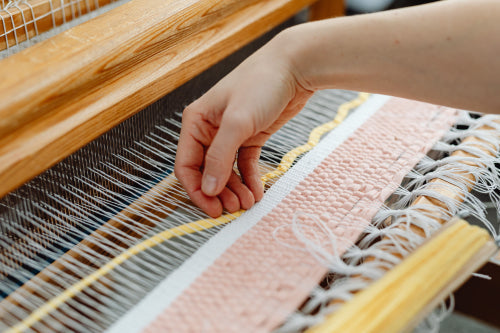
Handwoven textiles are valued for far more than their appearance. Each piece reflects a combination of human skill, cultural memory, material knowledge, and time-intensive craftsmanship. Unlike fabrics created through fully automated processes, handwoven textiles carry the influence of the individual maker, from the selection of materials to the rhythm and precision of weaving. For consumers exploring sustainable fashion and meaningful purchases, understanding what makes handwoven textiles special reveals why these fabrics continue to hold cultural and emotional importance.
Fast fashion erodes cultural heritage, sidelining artisans and reducing traditions to trends. At IndieHaat, we champion India's craftspeople with handcrafted sarees, apparel, décor, and skincare rooted in authenticity. Each piece embodies skill and ethical care. Support artisans and preserve India's timeless legacy Shop Now!
The Craftsmanship Behind Handwoven Textiles
The uniqueness of handwoven textiles begins with the relationship between the artisan and the loom. Weaving by hand requires patience, technical understanding, and attention to detail. Every movement contributes to the final fabric, allowing subtle variations that reflect the maker's expertise rather than producing identical pieces through industrial repetition.
This human involvement creates a different experience for both the creator and the wearer. A handwoven textile is not simply a material used to make clothing or home products; it represents a process where traditional knowledge is preserved through practice. The patterns, textures, and finishes often reflect techniques developed and refined over generations.
The appeal of artisan made textiles comes from this connection between skill and individuality. Consumers increasingly look beyond appearance and want to understand how products are made, who creates them, and what traditions are represented through their purchase.
Why Handwoven Fabrics Carry Cultural Meaning
Textiles often serve as a record of community identity. Regional weaving styles, patterns, and methods can communicate stories about local traditions, artistic influences, and historical experiences. This cultural connection is one reason handwoven fabrics continue to remain relevant despite changes in fashion preferences.
Traditional Indian handwoven fabrics demonstrate how textiles can preserve heritage while adapting to modern lifestyles. A fabric can represent the knowledge of a weaving community while also becoming part of contemporary wardrobes, celebrations, and everyday use.
Jamdani provides a clear example of how craftsmanship and cultural meaning come together. The delicate Bengali textile is recognised for intricate motifs created through a demanding weaving process, with designs often inspired by nature and regional aesthetics. Its renewed appreciation shows how traditional techniques can continue to find relevance when people value both the artistry and the story behind the fabric. Jamdani's return demonstrates how a textile can become an expression of identity, memory, and craftsmanship rather than simply a seasonal fashion choice.
The Difference Between Handwoven and Machine Made Fabrics
The difference between handwoven and machine made fabrics is not only about production speed. It is also about the relationship between process, maker, and final product. Machine production is designed for consistency and scale, while handwoven creation allows greater involvement from the artisan throughout the making process.
Handwoven fabrics often contain details that reflect the maker's decisions and technique. Small variations in texture or pattern are not necessarily imperfections; they are reminders that the textile was created through human skill. These characteristics can make each piece feel distinctive and personal.
For consumers, this distinction changes how value is understood. A handwoven product is often appreciated not only for how it looks but also for the craftsmanship, knowledge, and cultural continuity represented within it. The fabric becomes connected to the people and traditions behind its creation.
How Handloom Traditions Preserve Artisan Knowledge
Handloom weaving depends on skills that are developed through experience. Techniques are often learned through observation, practice, and community knowledge-sharing. Preserving these traditions means maintaining not only a method of production but also a form of cultural expertise.
The story of Tangail weaving highlights how textiles can carry history, geography, and personal craftsmanship within their threads. Traditional Tangail saris made in West Bengal's Phulia region are connected to weaving communities whose histories were shaped by migration and changing social circumstances. For individual weavers, the craft remains deeply connected to specialised knowledge built through years of work at the loom. Tangail weaving history shows why the value of a handwoven textile extends beyond the finished product and includes the community, techniques, and experiences that sustain it.
When consumers learn about these traditions, they gain a deeper appreciation for the effort behind each piece. This awareness can encourage greater respect for handmade products and the artisans who continue these practices.
The Role of Handwoven Textiles in Sustainable Fashion
Sustainable fashion is increasingly connected to thoughtful consumption, where buyers consider the origin, quality, and long-term value of what they purchase. Handwoven textiles naturally fit into this conversation because they encourage people to appreciate craftsmanship rather than focus only on short-term trends.
A carefully created textile can become a lasting part of a wardrobe or home environment. The emotional connection formed with handmade pieces often changes the way people use and care for them. Instead of viewing clothing as temporary, consumers may see certain textiles as meaningful items associated with personal experiences and cultural appreciation.
The benefits of handwoven fabrics also extend to the way people understand quality. The focus shifts from producing more items to recognising the time, skill, and creative effort involved in making individual pieces. This perspective supports a more considered approach to fashion choices.
Why Consumers Value Artisan Made Textiles
Modern shoppers are increasingly interested in transparency and authenticity. They want products that have a clear story, whether that story relates to craftsmanship, materials, cultural traditions, or the people involved in creating them.
Artisan made textiles offer this connection because they represent a direct link between creative practice and finished product. A handwoven piece can reflect a specific technique, region, and community, creating a sense of individuality that is difficult to replicate through standardised manufacturing.
The experience of owning a handwoven textile is also shaped by emotional value. A fabric may become associated with celebrations, family moments, or personal milestones. Over time, these connections can transform a textile from an everyday item into something that carries memories and meaning.
How Handwoven Textiles Continue to Inspire Modern Design
Traditional textiles continue to influence contemporary fashion because their craftsmanship offers designers and consumers a foundation of creativity. Classic weaving methods, patterns, and textures can be adapted into modern styles while maintaining respect for their origins.
This balance between tradition and innovation helps handwoven textiles remain relevant. Preserving heritage does not mean keeping crafts unchanged; it means allowing traditional knowledge to continue evolving through thoughtful use.
For consumers exploring handmade fashion, learning about weaving techniques can make shopping a more informed experience. Understanding the difference between materials, production methods, and artisan practices helps people recognise the value behind each creation.
Appreciating the Lasting Value of Handwoven Textiles
Handwoven textiles are special because they combine artistry, history, and human effort in a way that goes beyond basic functionality. Every piece reflects decisions made by skilled makers and carries connections to traditions that have developed over time.
For those interested in sustainable Indian textiles and authentic craftsmanship, exploring handwoven fabrics offers an opportunity to discover the stories behind what they wear and use. These textiles represent a relationship between people, culture, and creativity, reminding us that clothing and décor can carry meaning beyond their physical form.
By recognising the value of handwoven textiles, consumers can develop a deeper appreciation for artisan communities and the craftsmanship that keeps traditional weaving practices alive. The enduring appeal of these fabrics comes from their ability to connect the past with the present while continuing to inspire future generations.
Frequently Asked Questions
What makes handwoven textiles special compared to machine made fabrics?
Handwoven textiles are special because they reflect the skill, time, and creativity of individual artisans. Unlike machine made fabrics produced for uniformity and scale, handwoven fabrics often carry unique textures, patterns, and cultural significance shaped by traditional weaving techniques.
Why are traditional Indian handwoven fabrics valued in sustainable fashion?
Traditional Indian handwoven fabrics are valued in sustainable fashion because they represent thoughtful craftsmanship, cultural heritage, and a deeper connection between makers and materials. These textiles encourage consumers to appreciate quality, longevity, and the stories behind handmade products.
How do handloom weaving traditions preserve artisan craftsmanship?
Handloom weaving traditions preserve artisan craftsmanship by passing specialised techniques, knowledge, and cultural practices through generations. Each handwoven piece reflects the experience of the weaver and the history of the community behind the textile.
Disclaimer: The above helpful resources content contains personal opinions and experiences. The information provided is for general knowledge and does not constitute professional advice.
You may also be interested in: How Handwoven Fabrics Reflect Regional Narratives - Indiehaat.com
Fast fashion erodes cultural heritage, sidelining artisans and reducing traditions to trends. At IndieHaat, we champion India's craftspeople with handcrafted sarees, apparel, décor, and skincare rooted in authenticity. Each piece embodies skill and ethical care. Support artisans and preserve India's timeless legacy Shop Now!
Powered by flareAI.co